Here’s the question three tech-sector earnings reports raise about the future of AI
Source Entity
Nora Redmond
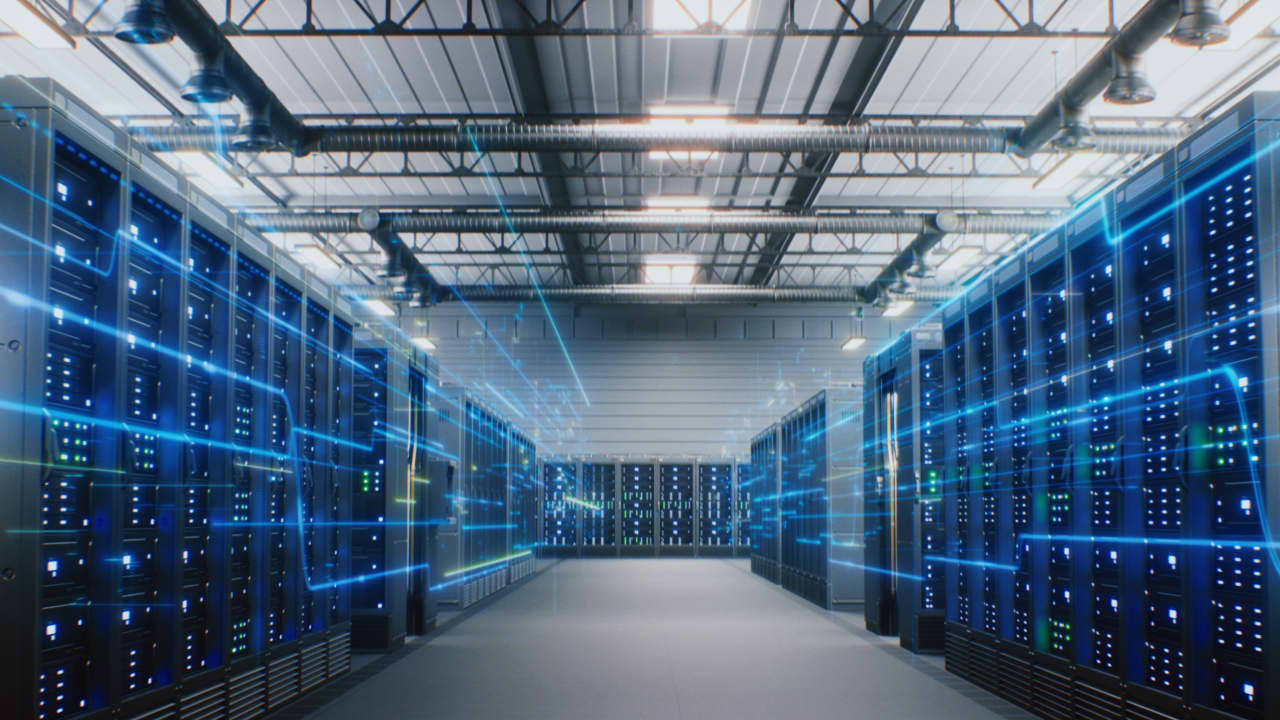
Recent earnings reports from Celestica, Cadence, and Rambus highlight strong industry performance, while upcoming reports from Big Tech giants focus on the dual narrative of AI investment and workforce adjustments. These developments underscore a complex transition period where technological integration and labor restructuring define corporate growth strategies.
The Dual Narrative of Tech Growth: Earnings and AI Integration
The recent third-quarter earnings reports from Celestica, Cadence Design Systems, and Rambus have provided a robust indicator of health within the technology sector. By consistently beating market estimates, these firms have signaled that the foundational layers of the AI ecosystem—specifically hardware manufacturing, electronic design automation, and memory architecture—remain in high demand. These companies serve as the 'picks and shovels' of the artificial intelligence gold rush, and their strong performance suggests that the capital expenditure cycle supporting AI infrastructure is far from cooling down.
Analyzing the Hardware and Design Foundation
Investors often look to semiconductor-adjacent firms like Celestica and Cadence as bellwethers for the broader AI supply chain. Because these companies are deeply integrated into the development and manufacturing workflows of hyperscalers, their success validates the continued expansion of data centers and specialized computing capabilities. The ability of these firms to exceed analyst expectations implies that the underlying infrastructure requirements for training large language models are continuing to scale at a rapid pace, providing a stable outlook for the hardware sector despite broader macroeconomic uncertainties.
The Shifting Focus of Big Tech
As the market turns its attention toward the 'Magnificent Seven'—specifically Microsoft, Alphabet, and Amazon—the narrative is shifting from pure infrastructure spending to the practical application and efficiency of AI. While the market remains obsessed with capital expenditure figures related to GPU clusters and cloud capacity, the upcoming earnings calls will be scrutinized for how these companies plan to integrate AI into their long-term profitability models. The focus is no longer just on how much is being spent, but on the return on investment (ROI) that these massive capital outlays are expected to generate.
Workforce Dynamics in the Age of Automation
Perhaps the most pressing concern for analysts and employees alike is the intersection of AI deployment and workforce restructuring. Recent reports indicate that workforce cuts are occurring alongside AI integration, sparking a critical debate about the future of labor at top-tier tech companies. This suggests that Big Tech firms are aggressively reallocating resources, potentially trading legacy roles for talent specialized in AI implementation and automation. This trend reflects a broader corporate strategy to streamline operations while simultaneously pivoting toward a future where AI handles increasing portions of the corporate workload.
Strategic Implications for Investors
For investors, the current climate requires a nuanced approach. While the strong results from infrastructure providers like Rambus and Cadence provide a floor for the market, the volatility surrounding Big Tech's labor strategies introduces a new layer of risk. The market must now reconcile the high costs of AI development with the potential for margin expansion through workforce efficiency. As these companies report their quarterly figures, the market will likely react not just to revenue growth, but to the clarity of the vision regarding long-term human-capital management in an AI-first corporate landscape.
Conclusion: Navigating the AI Transition
In summary, the technology sector is currently navigating a period of significant transformation. The success of hardware and design firms proves that the physical infrastructure of AI is being built at a record pace. However, the next phase of this evolution will be defined by how effectively Big Tech companies balance their massive infrastructure investments with their internal workforce strategies. As we look toward future quarters, the primary trend to watch will be the stabilization of this new operating model, where AI becomes the primary driver of both corporate productivity and organizational change.
Verification Required?