Telangana RTC land in Musheerabad for affordable housing sparks concerns
Source Entity
India Latest News: Top National Headlines Today & Breaking News | The Hindu
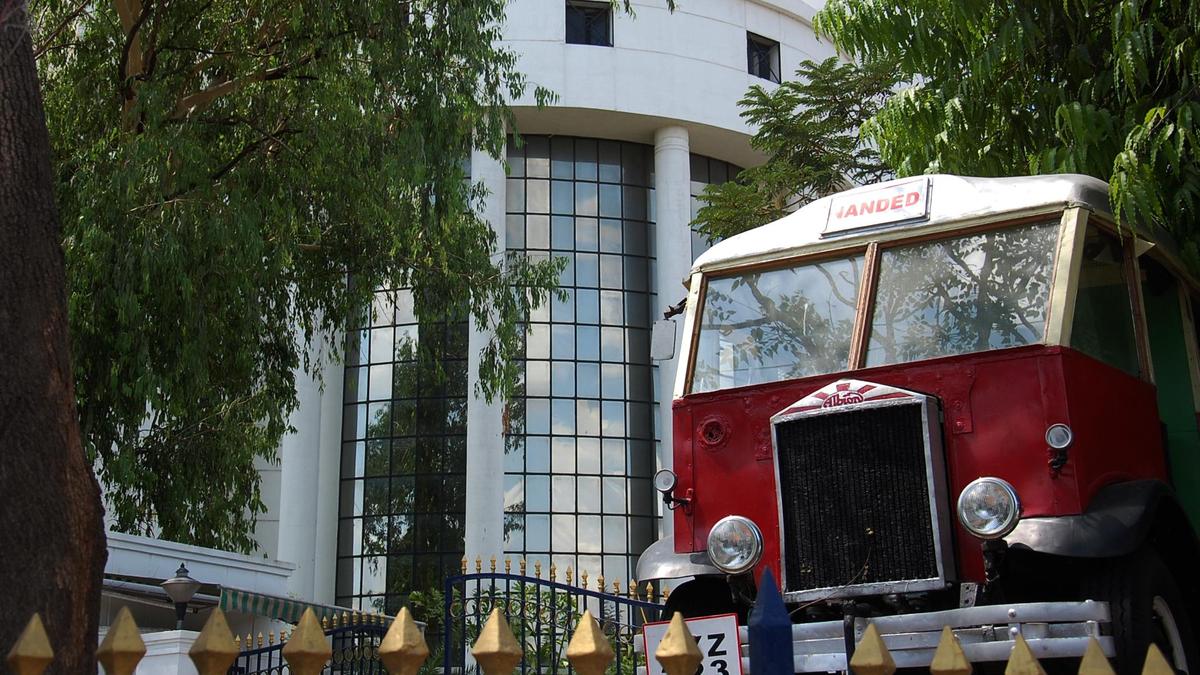
The Telangana government has transferred 6 acres of TGSRTC land in Musheerabad to the Housing Board for affordable housing projects. This decision has sparked significant internal concern among transport corporation employees regarding the loss of institutional assets.
The Musheerabad Land Transfer: Balancing Urban Growth and Institutional Stability
Strategic Redevelopment in Core Urban Areas
The recent decision by the Telangana government to reallocate 6 acres and 15 guntas of land in Musheerabad from the Telangana State Road Transport Corporation (TGSRTC) to the Telangana Housing Board marks a significant shift in urban land management. Located in ward 154 of Zamistanpur village, this parcel is situated within the Core Urban Region Economy (CURE), an area experiencing intense pressure for residential expansion. By prioritizing the construction of Low-Income Group (LIG) and Middle-Income Group (MIG) housing, the government is attempting to address the severe housing deficit that plagues major metropolitan hubs like Hyderabad.
The Role of the Revenue and Transport Departments
The transition of this asset was formalized through an order issued by the Revenue Department, which followed an "in-principle" approval granted by the Transport Department. This inter-departmental coordination highlights the state's intent to leverage underutilized government land to meet public welfare goals. While the administrative process appears to follow standard bureaucratic channels, the transfer signifies the government's authority to repurpose land held by state-owned undertakings for broader civic mandates.
Internal Dissent and Institutional Concerns
Despite the clear focus on affordable housing, the move has caused palpable consternation among the rank and file of the TGSRTC. For the employees of a state road transport undertaking, land assets are often viewed as vital for operational logistics, future infrastructure development, and institutional security. The reduction of the corporation's land bank raises questions about the long-term impact on the agency's ability to maintain its facilities and expand its transport network as the city grows.
Urban Housing Dynamics and Future Implications
The push for affordable housing in Musheerabad is reflective of a wider trend in Indian urban planning, where municipal corporations are increasingly pressured to utilize central land parcels to prevent urban sprawl. However, this strategy often creates friction between the need for public infrastructure and the operational requirements of state agencies. The success of this project will depend on how the government balances the immediate need for residential units against the potential operational constraints imposed on the TGSRTC.
Conclusion: Assessing the Long-term Impact
As the Telangana Housing Board begins its planning for the LIG and MIG flats, the government must address the concerns of the transport corporation staff to maintain institutional stability. Moving forward, the project will serve as a bellwether for how the state manages competing interests in its land-use policy. Whether this land transfer becomes a model for urban renewal or a point of recurring labor unrest remains to be seen, making the development in Musheerabad a critical situation to monitor.
Verification Required?