The Sari Eternal review: Lakshmi Puri weaves memory, history and identity into six yards of fabric
Source Entity
Suvir Saran
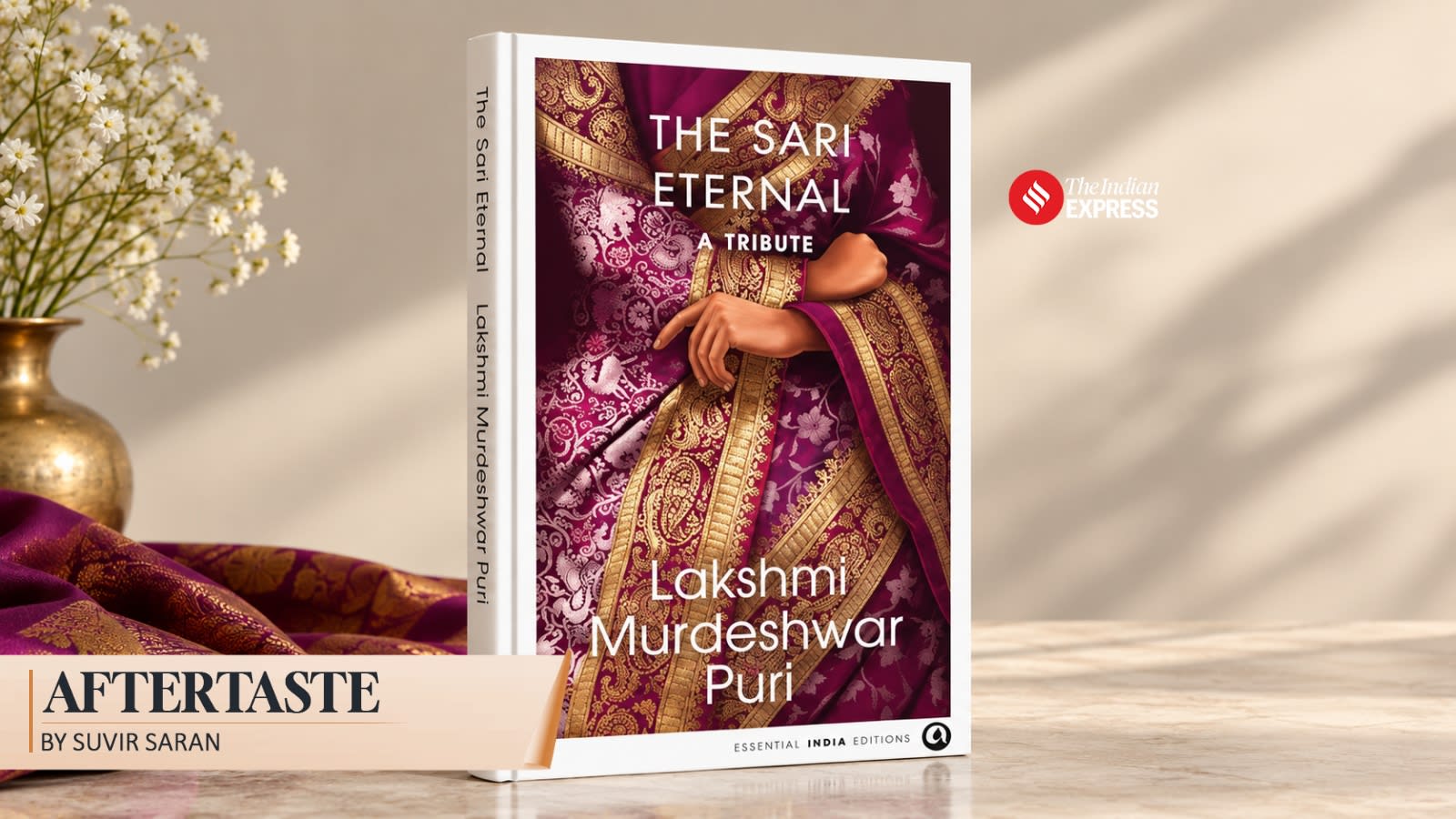
Lakshmi Murdeshwar Puri’s book 'The Sari Eternal' explores the cultural and personal significance of the sari as a symbol of identity. The narrative weaves historical context with intimate memories of inheritance and protection.
The Cultural Significance of the Sari
Lakshmi Murdeshwar Puri’s latest literary work, The Sari Eternal, offers a profound meditation on the sari as more than just a garment. By anchoring her narrative in personal memory—specifically the memory of her mother, Malati, and a red-and-white Kanjivaram—Puri elevates the sari to a vessel of history and identity. This work serves as an exploration of how a simple six-yard fabric acts as a repository for familial bonds and cultural endurance.
Memory and the Maternal Connection
The book highlights the sari as an early point of contact with the world for many. The author recounts how the pleats and folds of a mother’s sari provided a 'safe cocoon,' a psychological space of refuge. This imagery is central to understanding the emotional weight the sari carries in Indian culture, representing both a protective barrier from the outside world and a bridge to the feminine lineage that precedes the wearer.
The Sari as a Healing Agent
A poignant moment in the text describes the mother using the edge of her Kanjivaram to staunch a wound on her daughter's forehead. This specific detail underscores the functional utility of the sari in daily life, transforming it from a decorative object into an instrument of care and healing. It suggests that the sari is an 'eternal' companion, present during both the mundane and the traumatic moments of life.
Weaving History into Identity
Beyond personal anecdote, the book addresses the broader implications of the sari in the context of India’s plurality. Puri’s writing suggests that the sari is a canvas for art and color, reflecting the diverse traditions of the subcontinent. By documenting these personal and historical intersections, the work invites readers to view the garment as a symbol of resilience and grace that transcends generations.
Broader Implications and Future Trends
As modern fashion increasingly looks toward sustainable and heritage-based textiles, The Sari Eternal arrives at a pivotal moment. The narrative suggests that the sari’s relevance is not merely aesthetic but rooted in its capacity to hold memory. We can expect such literary explorations to inspire a renewed interest in the preservation of traditional weaving techniques and the historical narratives embedded within them.
Conclusion
Ultimately, Lakshmi Murdeshwar Puri’s work is a testament to the enduring power of the sari. By intertwining individual stories of growth and protection with the collective history of a nation, the book reaffirms the sari's place as a central icon of identity. It serves as a reminder that what we wear often tells the story of who we are and where we come from.