India news Live Updates, 17 July 2026: Three students killed as train rams school van in Bengal’s Murshidabad
Source Entity
The Indian Express
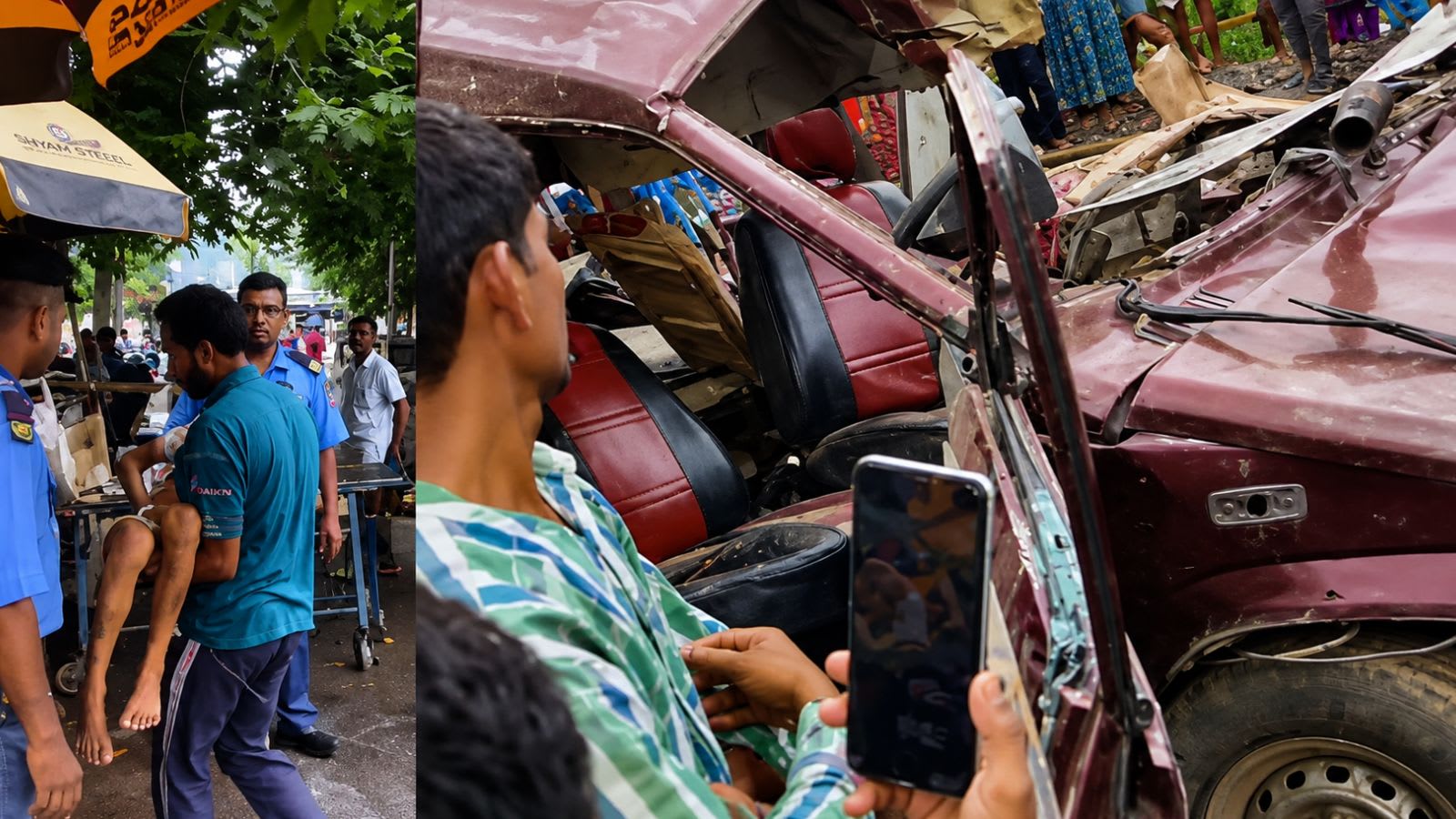
Three students were killed in Murshidabad, West Bengal, after a train collided with a school van on July 17, 2026. This tragedy coincides with a period of widespread infrastructure failures and rain-related deaths across India.
Tragedy in Murshidabad: Analysis of the School Van Railway Collision
On the morning of July 17, 2026, a devastating accident occurred in the Murshidabad district of West Bengal, where a train collided with a school van, resulting in the immediate death of three students. This incident has sparked immediate concern regarding the safety of school transport and the security of railway crossings in rural India. Rescue workers were deployed quickly to the scene to manage the wreckage and recover the victims, as the community grapples with the loss of young lives in a preventable tragedy.
Infrastructure Failures and Safety Gaps
The timing and nature of this accident are particularly alarming as they occur during a week characterized by widespread infrastructure failures across the country. The core of the investigation currently centers on the specific circumstances of the crossing—namely, whether the crossing was manned or unmanned and if functional barriers were in place at the time of the collision. In many parts of rural West Bengal, the reliance on unmanned level crossings remains a critical vulnerability, where the responsibility for safety often falls on the driver's visual judgment rather than automated safety systems.
The Compounding Effect of Monsoon Weather
Crucially, this accident did not happen in isolation but amidst a broader trend of "rain deaths" affecting India. The monsoon season frequently exacerbates existing infrastructure weaknesses; heavy rainfall can lead to reduced visibility for both train pilots and vehicle drivers, while also damaging road surfaces near railway tracks. The mention of rain-related fatalities across the country suggests a systemic struggle to maintain transport safety during extreme weather events, making the Murshidabad tragedy a symptom of a larger environmental and logistical crisis.
Systemic Risks in School Transportation
This event brings into sharp focus the precarious nature of school transportation in regional districts. School vans often navigate complex routes with multiple railway crossings, and any lapse in barrier functionality or driver caution can lead to catastrophic results. The fact that three students lost their lives underscores the urgent need for stricter auditing of school vehicle safety protocols and a mandatory transition toward gated crossings in high-traffic student zones to eliminate human error.
National Context of Infrastructure Instability
The report explicitly links this tragedy to a week of "infrastructure failures across the country." This suggests that the Murshidabad accident is part of a pattern of systemic neglect or failure in public works. When multiple failures occur simultaneously—ranging from railway accidents to weather-induced collapses—it points toward a need for a comprehensive national review of safety standards and the acceleration of modernization projects aimed at securing transit corridors.
Future Implications and Required Reforms
Moving forward, this incident is likely to trigger demands for increased accountability from railway authorities and local transport departments in West Bengal. We can predict a push for the installation of automated warning systems and a crackdown on illegal or unregulated school transport operators. Furthermore, the correlation between the monsoon rains and these accidents will likely drive a policy shift toward "weather-resilient" infrastructure to prevent similar losses during future rainy seasons.
Conclusion
The loss of three students in Murshidabad is a harrowing reminder of the lethal intersection between inadequate infrastructure and environmental volatility. While rescue operations have concluded, the broader conversation must now shift toward ensuring that no child's commute is jeopardized by a lack of basic safety barriers or systemic failure in railway management.