Trump admin sues Utah to save Kalshi from the state's total ban on gambling
Source Entity
Jon Brodkin
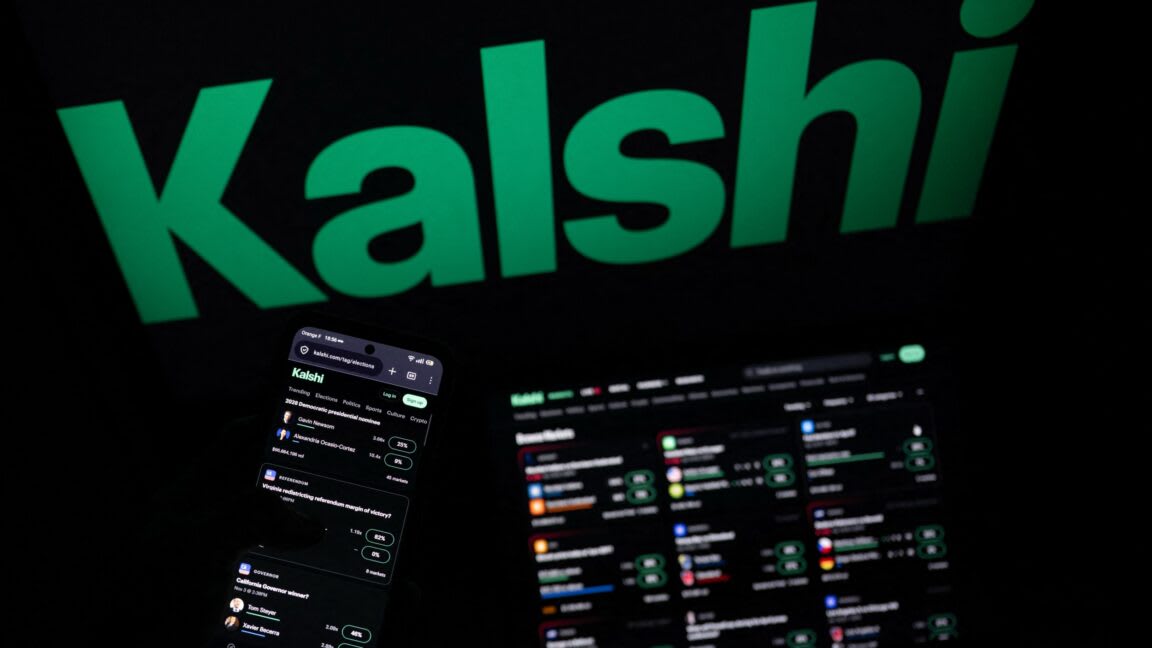
The Trump administration has sued Utah to block the state from enforcing its total ban on Kalshi's prediction markets. This legal clash highlights a growing federal-state conflict over the regulation of betting on elections and political events.
The Federal-State Clash Over Prediction Markets
The Trump administration has initiated legal action against the state of Utah, marking a significant escalation in the federal government's efforts to protect Kalshi, a platform specializing in prediction markets. By filing this lawsuit, the administration is challenging Utah’s attempt to classify these platforms as illegal gambling operations. This case represents the 10th such intervention by the relevant federal regulatory body, signaling a broader strategy to establish federal oversight over the rapidly evolving landscape of event-based betting.
The Legal Conflict: Federal Authority vs. State Sovereignty
At the heart of this dispute is the fundamental disagreement over what constitutes a 'prediction market' versus 'gambling.' Utah Attorney General Derek Brown has explicitly labeled Kalshi as an 'online casino,' arguing that its activities fall squarely under the state’s long-standing prohibition of gambling. With Utah being one of only two states in the U.S. that bans all forms of gambling under its state constitution, the state government views the federal intervention as an infringement on its constitutional authority to regulate moral and social conduct within its borders.
Historical Precedent and Utah’s Stance
Utah’s opposition to gambling is deeply rooted in its legal history, spanning over 130 years of consistent enforcement. The state’s lawsuit against Kalshi seeks a court order to halt the platform from offering wagers on sports, elections, and political outcomes. By framing these activities as illegal bets, Utah is attempting to maintain a zero-tolerance policy that has defined the state’s legislative identity for over a century, positioning itself against the commercialization of event outcomes.
Broader Implications for Election Betting
The intervention by federal regulators suggests a push to standardize how prediction markets operate on a national level, potentially overriding state-level bans. If the federal government succeeds in shielding Kalshi from state lawsuits, it could set a powerful legal precedent that effectively legalizes election and political betting nationwide, regardless of local statutes. This shift would fundamentally alter the relationship between federal oversight and state-level police powers concerning digital financial products.
Future Trends in Regulated Prediction Markets
As prediction markets gain mainstream popularity, the tension between state governments and federal regulators is expected to intensify. The outcome of the Utah case will likely serve as a blueprint for other states attempting to block similar platforms. Should the courts side with the federal agency, it may pave the way for a new era of federally sanctioned political betting markets, while a victory for Utah could force these companies to navigate a fragmented and restrictive regulatory map across the United States.