Gujarat Confidential: ‘Counter’ Protests
Source Entity
Aditi Raja
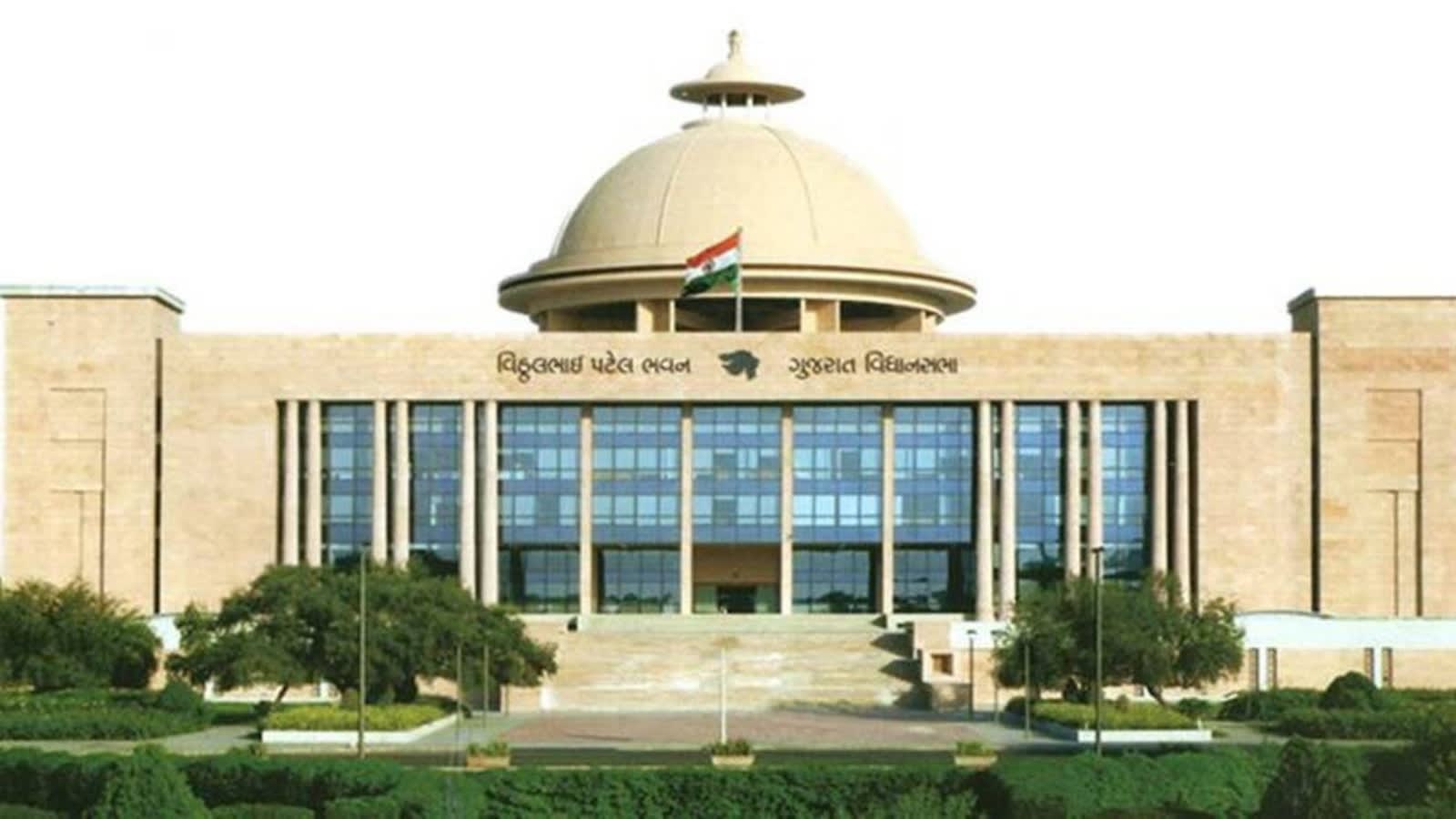
Vadodara witnessed a political clash as the BJP held a 'Save Democracy' march while the Congress alleged their leaders were placed under virtual house arrest. The contrasting events highlight rising tensions between the ruling party and the opposition in Gujarat.
Political Polarization in Vadodara: A Tale of Two Protests
The political landscape of Vadodara, Gujarat, recently became the stage for a striking display of partisan irony. On Wednesday, the city witnessed two diametrically opposed political realities unfolding simultaneously. While the Bharatiya Janata Party (BJP) mobilized its cadre for a march themed ‘Loktantra Bachao, Arajakta Hatao’ (Save Democracy, Remove Anarchy), the Indian National Congress reported a restrictive police presence at their local office, effectively confining their leaders to a state of virtual house arrest.
The BJP’s 'Save Democracy' Narrative
The BJP’s procession, which commenced at the Navlakhi Ground and traversed key urban arteries like Khanderao Market and Raopura, was designed to project a message of stability and governance. By framing their march as an effort to "remove anarchy," the ruling party sought to solidify its grassroots support across central Gujarat. The presence of high-profile leaders, including state ministers Raman Solanki and Manishaben Vakil, alongside chief whip Balakrishna Shukla, underscored the official backing of the demonstration, even as Chief Minister Bhupendra Patel notably skipped the event.
Opposition Allegations and Democratic Friction
Contrasting sharply with the BJP’s public display, the Congress party’s experience highlighted a growing friction in local democratic processes. City president Rutvij Joshi’s allegations regarding police deployment at their office suggest a strategic attempt to stifle opposition activity during a high-stakes political day. This "virtual house arrest" of opposition figures, as described by Joshi, serves as a poignant critique of the state of political discourse, where the ruling party’s right to march is juxtaposed against the perceived suppression of the opposition's ability to mobilize.
Broader Implications for Gujarat Politics
This incident in Vadodara is symptomatic of the broader political polarization currently defining regional politics in Gujarat. The tension between the ruling party’s assertive public demonstrations and the opposition’s claims of administrative overreach reflects a deepening divide. Such incidents often signal a heightened state of alert within local law enforcement, who are frequently tasked with managing the delicate balance between maintaining public order and upholding the fundamental right to protest.
Future Trends and Political Stability
Moving forward, these events suggest that the political environment in Gujarat will likely remain volatile. As both parties prepare for future electoral cycles, the reliance on symbolic marches and the corresponding accusations of state-sponsored restriction are expected to continue. The selective presence of senior leadership, such as the Chief Minister’s absence, also hints at internal party dynamics and the strategic distance maintained by top leadership during potentially polarizing local events.
Conclusion
The events in Vadodara serve as a microcosm of the current Indian political climate, where the definition of "democracy" is contested through both public spectacle and administrative maneuvering. As the BJP continues to leverage state-level dominance to frame its narrative, the Congress party’s struggle to maintain visibility amidst alleged restrictions underscores the challenges faced by the opposition in the current political landscape. Observers should look toward how these local tensions influence regional policy and upcoming campaign strategies.