Rare White House visit by top US commander puts Trump's Iran strike options in focus
Source Entity
PRISHA PATNAIK
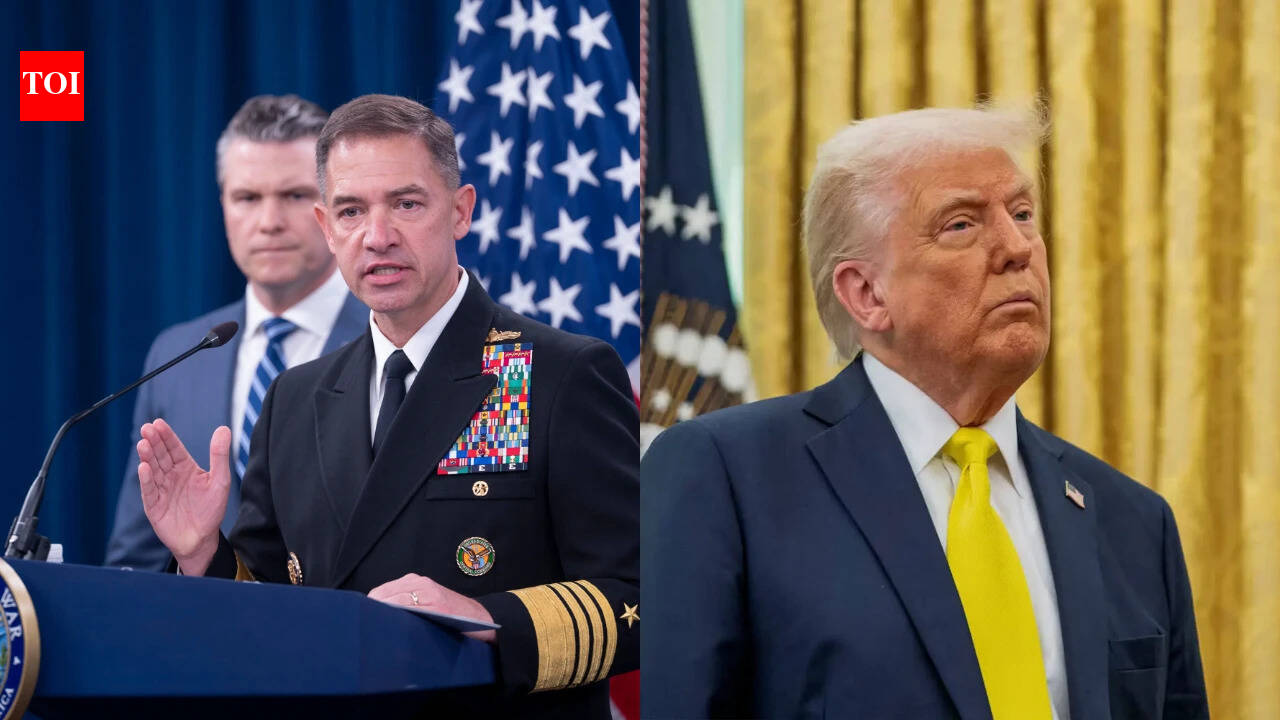
CENTCOM Commander Admiral Brad Cooper briefed President Trump on Iran military options and naval blockade effectiveness. The high-level White House meeting underscores a dual-track strategy of ongoing diplomacy alongside reinforced regional defense preparations.
Strategic Consultations at the White House
In a significant development for regional security, Admiral Brad Cooper, the head of US Central Command (CENTCOM), conducted a rare in-person briefing with President Donald Trump at the White House. This high-level meeting, which included key members of the national security apparatus such as Defense Secretary Pete Hegseth and Joint Chiefs Chairman General Dan Caine, signals a sharpening of focus regarding the ongoing tensions with Iran. The presence of Treasury Secretary Scott Bessent and White House envoy Steve Witkoff suggests that the administration is integrating economic pressure and diplomatic channels with military contingency planning.
Evaluating the Naval Blockade and Combat Readiness
The discussions centered on the current efficacy of Washington’s naval blockade, a critical component of the US strategy to curtail Iranian influence and resource mobilization. By reviewing the effectiveness of these maritime operations, the administration is assessing how effectively current containment strategies are performing against shifting regional dynamics. Furthermore, the meeting addressed potential military options for a resumption of major combat operations, indicating that the White House is preparing for various escalatory scenarios in the Middle East.
The Dual-Track Approach: Diplomacy and Defense
Despite the gravity of the military deliberations, the reports confirm that diplomacy remains an active component of the administration's policy. The presence of envoy Steve Witkoff highlights a sustained effort to utilize back-channel or formal diplomatic avenues to manage the crisis. This dual-track approach—strengthening regional defenses while keeping communication lines open—reflects a classic strategy of 'peace through strength,' where military readiness is intended to provide leverage for diplomatic outcomes.
Pentagon Reinforcements and Regional Stability
The Pentagon is actively strengthening regional defenses in alignment with these strategic shifts. By bolstering US assets in the Middle East, the Department of Defense aims to deter Iranian aggression and provide the President with a broader menu of tactical responses. This move is indicative of a broader trend where the US seeks to maintain a robust posture capable of rapid response should diplomatic efforts fail or should the security environment deteriorate further.
Future Implications for Middle Eastern Security
Looking ahead, the coordination between CENTCOM and the White House suggests that the administration is moving toward a more definitive stance on Iranian containment. The integration of economic tools, managed by the Treasury, with kinetic military options indicates a comprehensive strategy designed to maximize pressure on Tehran. As the situation evolves, the effectiveness of this coordinated approach will likely dictate the level of stability in the region, with the world watching to see if these preparations lead to a de-escalation or a shift toward intensified combat operations.