Trump Approval Near Record Low At 32% Ahead Of Midterm Elections: Report
Source Entity
NDTV News Search Records Found 1000
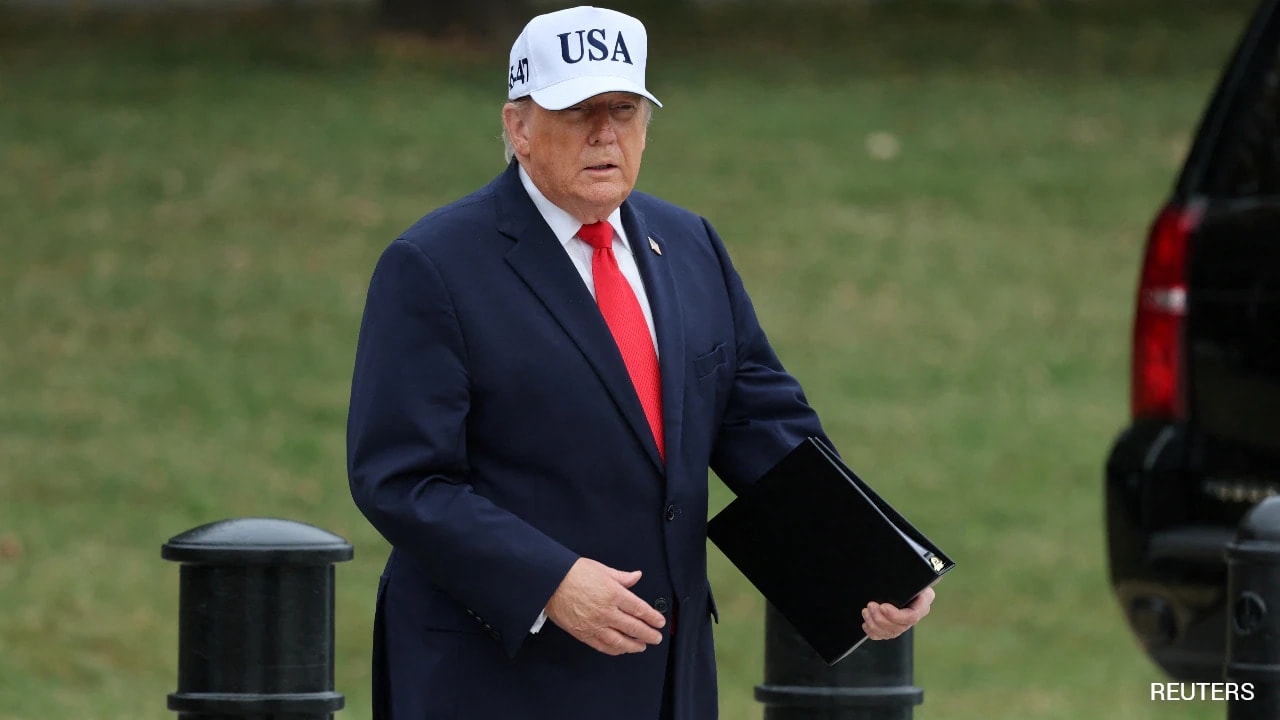
Former President Donald Trump faces a near-record low approval rating of 32% as the midterms approach. Despite not being on the ballot, his significant influence continues to shape the electoral landscape.
The Shadow of the Former President
Recent reports indicate that former President Donald Trump’s approval rating has dipped to 32%, a figure that nears his historical nadir. This polling data emerges at a critical juncture in the American political calendar, specifically as the nation prepares for looming midterm elections. While the former president is not a candidate on the ballot, his presence remains a defining factor in the national discourse, illustrating a unique phenomenon in contemporary American politics where a non-candidate continues to command center stage.
The Impact of Approval Ratings on Midterm Dynamics
Historically, midterm elections serve as a referendum on the sitting administration, yet the 32% approval rating for Trump suggests that voters are still heavily weighing his legacy against current political realities. When a former president maintains such a high profile, it creates a polarizing effect that can mobilize both the base and the opposition. This dynamic forces current candidates to address his influence directly, effectively turning races that might otherwise be focused on local issues into debates about the broader direction of the party he leads.
Strategic Implications for Candidates
For candidates currently campaigning, the low approval rating presents a complex strategic challenge. Those aligned with the former president must navigate the reality that while he maintains a loyal core, his broad appeal has diminished. This necessitates a delicate balancing act: acknowledging the former president’s influence to satisfy primary voters while attempting to pivot toward the center to win over general election voters who may be deterred by these specific polling numbers.
The Historical Precedent of 'Looming' Figures
It is rare for a former president to remain the primary point of contention in an election cycle in which they are not participating. Typically, power centers shift toward the current occupant of the White House or party leadership. However, the current situation underscores a shift in how political identity is managed in the digital age, where a former president’s ability to communicate directly with the electorate allows them to bypass traditional media and maintain relevance, regardless of their official standing or polling metrics.
Future Trends and Electoral Volatility
As the midterm elections draw closer, the 32% figure serves as a barometer for voter sentiment that transcends individual district contests. If this trend holds, it suggests that the former president’s influence may act as a double-edged sword for the party. While he remains a powerful tool for fundraising and grassroots mobilization, the low approval rating may be leveraged by opponents to characterize the party as out of touch with the broader electorate. The ultimate outcome will depend on whether this disapproval rating translates into voter turnout against his preferred candidates or if it remains a static sentiment that fails to shift the needle in competitive battleground states.
Verification Required?