Trump alleges 'shocking vulnerabilities' in US election security ahead of midterms
Source Entity
BBC News
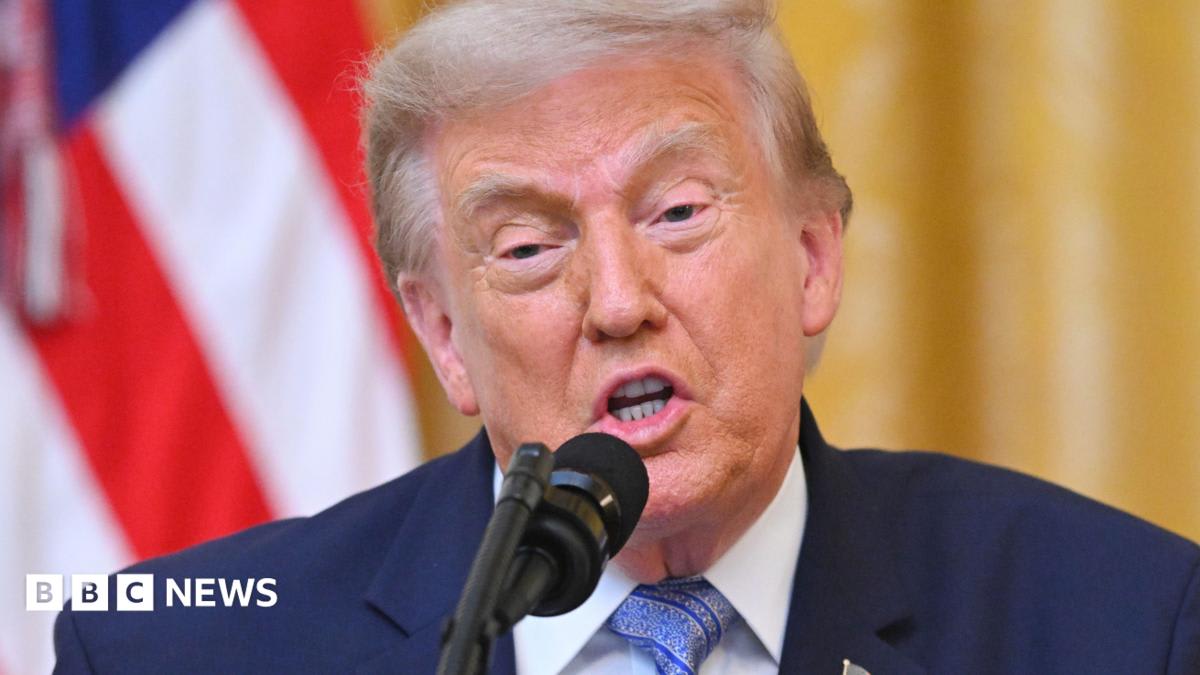
President Donald Trump has accused China of interfering in the 2020 US election and highlighted vulnerabilities in voting systems. These claims contradict official US intelligence findings and are viewed by Democrats as attempts to undermine confidence in the upcoming midterm elections.
Analysis of Presidential Allegations Regarding Election Integrity
In a high-stakes primetime address delivered three months prior to the November midterm elections, President Donald Trump has raised significant alarms regarding the security of the United States' democratic processes. The core of his address centered on allegations that China interfered in the 2020 presidential election, which Trump lost to Joe Biden. By claiming the existence of "shocking vulnerabilities" within American voting systems, the President has once again placed the integrity of the electoral process at the center of the national political discourse, timing these remarks to coincide with a critical period for the control of Congress.
The Nature of the Allegations and Voter Data
Central to the President's claims is the assertion that China engaged in the "illicit acquisition" of approximately 220 million voter files. These files, containing sensitive personal information, are critical components of election administration. From a security perspective, the theft of such a massive dataset could theoretically be used for targeted disinformation campaigns or social engineering. However, it is crucial to note that while the President alleged the acquisition of this data, he provided no concrete evidence that this information was ever leveraged to actually alter voting systems or manipulate the final outcomes of the 2020 election. This distinction is vital for understanding the gap between a data breach and actual electoral interference.
Conflict with the Intelligence Community
One of the most striking aspects of this event is the direct contradiction between the President's rhetoric and the findings of the US intelligence community. The intelligence apparatus has previously concluded that China did not interfere in the 2020 election. Trump attempted to bridge this gap by stating he had declassified hundreds of intelligence files to support his claims. This creates a narrative conflict where the executive's interpretation of intelligence clashes with the consensus of the agencies tasked with analyzing foreign threats. Historically, such discrepancies can lead to public confusion and a diminished trust in the neutrality of intelligence reporting.
Political Timing and the Midterm Stakes
The timing of this address—occurring just before the midterm elections—adds a layer of political complexity. The midterms are pivotal as they determine which party will control Congress for the remainder of the presidency, impacting the legislative agenda and oversight capabilities. Democrats have characterized these allegations as a strategic attempt to sow doubt and instability regarding the security of the upcoming vote. By framing the current systems as vulnerable, there is a risk that a segment of the electorate may lose confidence in the legitimacy of the midterms, potentially influencing voter turnout or leading to post-election disputes.
Broader Implications for Democratic Norms
This event reflects a broader, ongoing trend of questioning the validity of election results in the United States. When a sitting or former head of state makes unsubstantiated claims about foreign meddling without presenting evidence of outcome alteration, it can erode the foundational trust required for a peaceful transfer of power and the acceptance of democratic results. The recurring nature of these claims suggests a shift in political strategy where election security is used not just as a technical concern, but as a potent political tool to mobilize a base and challenge the status quo.
Conclusion and Future Outlook
In summary, President Trump's address serves as a stark reminder of the volatile intersection between national security and partisan politics. While the claim of a data breach involving 220 million files is a serious security concern if true, the lack of evidence connecting this to actual vote manipulation leaves the claims in the realm of speculation. Moving forward, these tensions are likely to persist, potentially leading to increased calls for comprehensive election security audits and more stringent regulations on voter data protection to prevent foreign adversaries from gaining a foothold in American democratic infrastructure.