Two Trump health nominees crash and burn in tense Senate hearing
Source Entity
Beth Mole
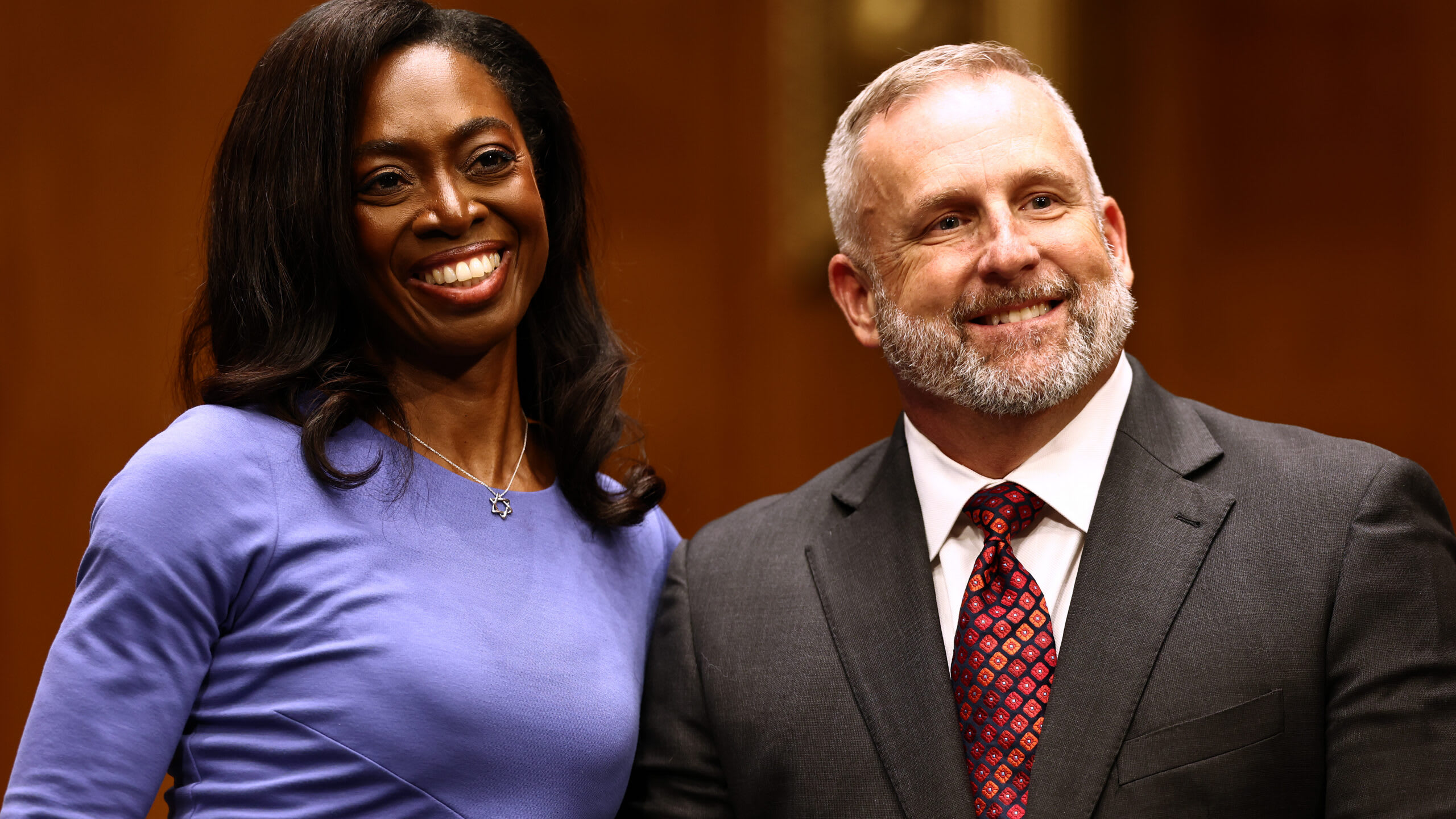
Trump health nominees Erica Schwartz and Sean Kaufman faced a tumultuous Senate HELP committee hearing, where both reportedly struggled. The proceedings highlighted a significant ideological rift between Schwartz's evidence-based approach and the views of Health Secretary Robert F. Kennedy Jr.
Turbulence in the Senate: The Struggle of Trump's Health Nominees
In a high-stakes session before the Senate Committee on Health, Education, Labor and Pensions (HELP), two key nominees for the Trump administration's health apparatus—Erica Schwartz and Sean Kaufman—encountered severe scrutiny. The hearings, described as a "crash and burn" for both candidates, underscore the intense political friction surrounding the administration's approach to public health. This confrontation is not merely about individual qualifications but represents a deeper ideological battle over the future of American health policy and the administration's willingness to deviate from established scientific norms.
The Paradox of Erica Schwartz
Erica Schwartz, the nominee for Director of the Centers for Disease Control and Prevention (CDC), entered the hearing with a resume that would typically be viewed as exemplary. Holding a medical degree, a master’s degree in public health, and a law degree, Schwartz possesses a rare trifecta of clinical, administrative, and legal expertise. Her commitment to evidence-based medicine and her explicit support for vaccinations positioned her as a stabilizing force—a "cautiously optimistic" choice for public health experts who fear a retreat from science.
However, Schwartz's position is fraught with inherent contradiction. She is slated to serve under Health Secretary Robert F. Kennedy Jr., a figure widely known for his anti-vaccine stances. This creates a precarious dynamic where the CDC Director—the primary authority on disease prevention—must operate under a Secretary whose public record often contradicts the very evidence-based medicine Schwartz champions. The core of her struggle during the hearing centered on her ability to prove she could remain principled and maintain her professional integrity while serving under Kennedy's leadership.
Sean Kaufman and the Image Problem
While Schwartz battled an ideological paradox, Sean Kaufman, the nominee for Assistant Secretary for Preparedness and Response, faced a different set of challenges. Unlike Schwartz, who arrived with a respected professional reputation, Kaufman entered the hearing with a "less-than-rosy image." The role of Assistant Secretary for Preparedness and Response is critical, as it involves overseeing the nation's readiness for pandemics, bioterrorism, and other large-scale health emergencies.
Kaufman's failure to effectively rehabilitate his image during the hearing suggests a lack of alignment with the Senate's expectations for a role that requires immense public trust and bipartisan cooperation. In the wake of the COVID-19 pandemic, the threshold for leadership in "preparedness and response" has risen significantly; the Senate is likely seeking candidates who can project absolute competence and stability, qualities that Kaufman apparently failed to demonstrate under pressure.
Broader Implications for Public Health Governance
The combined failure of these two nominees points to a broader crisis of governance within the proposed health leadership. The tension between the "evidence-based" credentials of a nominee like Schwartz and the "anti-vaccine" trajectory of RFK Jr. creates a systemic vulnerability. If the CDC Director is perceived as either a puppet of the Secretary or a dissident within the administration, the agency's ability to issue authoritative, trusted guidance during a health crisis could be severely compromised.
Furthermore, the struggle of these nominees indicates that the Senate HELP committee is prepared to act as a rigorous gatekeeper against appointments that may jeopardize public health stability. The "crash and burn" nature of these hearings suggests that the administration may face significant hurdles in filling critical health roles if they continue to nominate individuals who cannot reconcile their personal or professional histories with the demanding requirements of the Senate confirmation process.
Conclusion: A Precarious Path Forward
The Senate hearings for Erica Schwartz and Sean Kaufman reveal a fragmented approach to health leadership. While the administration has attempted to balance controversial figures like RFK Jr. with highly qualified professionals like Schwartz, the resulting friction has led to a disastrous showing in the Senate. As the administration moves forward, the ability to appoint leaders who can bridge the gap between political ideology and scientific reality will be the determining factor in whether the U.S. health infrastructure remains resilient or falls into a state of prolonged instability.