Trump says Scott Bessent won't be AI czar
Source Entity
US Top News and Analysis
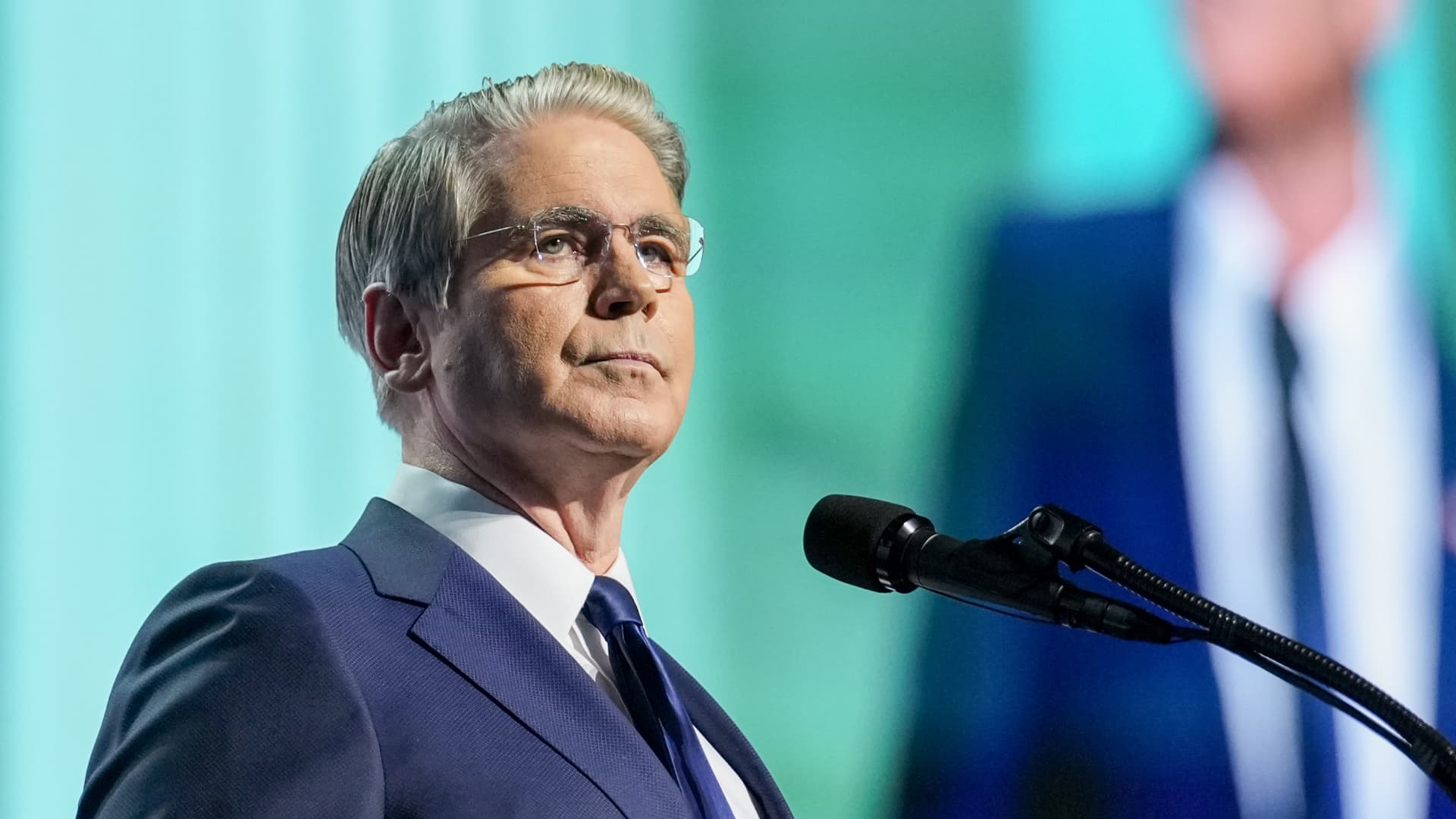
President Donald Trump has confirmed that Treasury Secretary Scott Bessent will not serve as his 'Super Intelligence czar.' Trump emphasized that Bessent prefers his current role and is performing exceptionally well at the Treasury Department.
Clarifying the Role of the 'Super Intelligence Czar'
President Donald Trump has officially addressed and dismissed recent media speculation regarding the potential appointment of Treasury Secretary Scott Bessent as the administration's 'Super Intelligence (SI) czar.' In a statement released via Truth Social, the President clarified that Bessent will not be assuming this newly conceptualized role, effectively putting an end to reports that had begun to circulate following initial coverage by outlets such as Semafor and Reuters.
The Strategic Importance of the Treasury Portfolio
The decision to keep Bessent at the helm of the Treasury Department underscores the administration's commitment to maintaining continuity in its economic agenda. President Trump explicitly highlighted Bessent’s performance, noting that he is doing a 'great job' in his current capacity. By retaining him at Treasury, the administration signals that fiscal policy, trade negotiations, and domestic economic stability remain the primary focus, rather than shifting key personnel to oversee the rapidly evolving landscape of artificial intelligence.
Navigating the AI Governance Frontier
The concept of a 'Super Intelligence czar' reflects the growing pressure on global leaders to establish formal governance structures for advanced AI technologies. As AI development accelerates, the administration is clearly grappling with how to integrate regulatory oversight into the executive branch. While the role remains unfilled or perhaps under re-evaluation, the discourse surrounding it demonstrates the high stakes involved in managing the intersection of national security, economic competitiveness, and technological innovation.
Institutional Stability vs. Executive Innovation
Trump’s commentary reveals a preference for institutional stability over the potential disruption that a cabinet-level shift might cause. By questioning, 'Why would I ever make such a change?', the President reinforces the idea that his current cabinet appointments are meeting his expectations. This approach suggests that the administration intends to balance its ambitious policy goals with the practical need for experienced leadership in established government departments.
Future Implications for AI Policy
Looking ahead, the search for leadership in the AI sphere remains a significant indicator of how the White House intends to approach technological policy. While Bessent is not the candidate for this specific position, the existence of the 'Super Intelligence czar' terminology suggests that a dedicated office or oversight mechanism is likely in the works. The administration will eventually need to determine whether to appoint a specialized expert to this role or continue managing AI policy through existing inter-agency frameworks.
Conclusion
Ultimately, the confirmation that Scott Bessent will remain at the Treasury Department provides clarity to both the public and the financial markets. By prioritizing his current economic mandate, the administration has signaled its immediate priorities. However, the ongoing conversation about AI oversight remains a critical area to watch, as the government continues to define the leadership structure required to navigate the complex challenges posed by artificial intelligence.