Can the Australian model rescue the US retirement system? Trump seems to think so.
Source Entity
Yahoo Finance
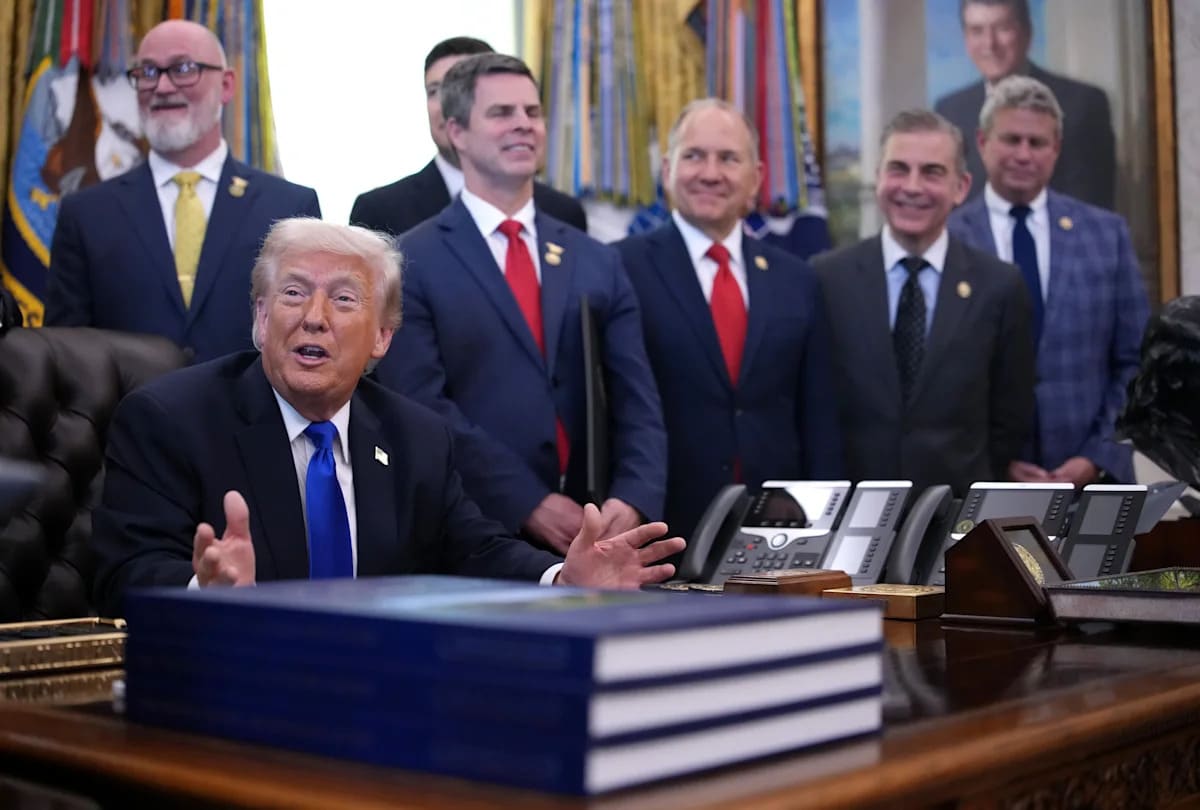
President Trump has directed Commerce Secretary Howard Lutnick to investigate the Australian superannuation model as a potential blueprint for U.S. retirement reform. The initiative centers on Australia's mandatory employer contribution system, which currently requires 12% of wages to be funneled into privately managed pensions.
The Australian Blueprint: A New Direction for U.S. Retirement
President Trump’s recent directive to Commerce Secretary Howard Lutnick to evaluate the Australian retirement system signals a significant potential pivot in American economic policy. By tasking the Commerce Department with analyzing a foreign model, the administration is acknowledging the systemic challenges facing the current U.S. retirement landscape, which remains heavily reliant on Social Security and voluntary, often underfunded, employer-sponsored 401(k) plans.
The Mechanics of the Superannuation Model
At the heart of this exploration is Australia’s 'superannuation' system. Unlike the U.S. approach, which often places the burden of saving on the individual, the Australian model mandates that employers supplement workers' wages with contributions to privately managed pension funds. Currently set at a rate of 12%, this compulsory savings mechanism ensures that every worker accumulates a retirement nest egg regardless of their personal inclination to save or their financial literacy levels.
Strategic Alignment and Industry Influence
President Trump’s interest in this model is not sudden; it follows months of strategic dialogue, notably including discussions with BlackRock CEO Larry Fink. Fink has long been a vocal proponent of the Australian approach, arguing that the scale and mandatory nature of such funds create more stable, long-term capital markets. By aligning with industry leaders, the administration is positioning this potential reform as a market-friendly solution that could boost domestic investment while securing the financial futures of American workers.
The Legislative Hurdle
Implementing such a system in the United States would face monumental legislative and cultural challenges. The U.S. retirement system is deeply entrenched in the tax code and corporate culture, with the 401(k) being the primary vehicle for retirement savings for millions. Transitioning to a mandatory 12% employer-contribution model would require substantial negotiations with Congress, as it would fundamentally alter the cost structure for businesses and the take-home pay dynamics for employees.
Long-Term Economic Implications
If successful, shifting toward an Australian-style system could profoundly reshape the U.S. economy. By creating a massive, consistent pool of long-term retirement capital, the U.S. could see increased liquidity in equity markets and reduced long-term dependence on government-funded safety nets. However, the transition period would likely be fraught with debate regarding corporate mandates, the role of private fund managers, and the impact on small businesses that may struggle to meet high contribution thresholds.
Conclusion: A Path Toward Reform
While the directive to Secretary Lutnick is only the beginning of a rigorous study, it underscores a growing consensus that the status quo of American retirement security is insufficient. Whether the Australian model can be effectively adapted to the American market remains to be seen, but the administration's active pursuit of this international benchmark marks a pivotal moment in the discourse on national economic stability.