Trump's Last-Minute Judge Appointment Blitz Faces Republican Roadblocks
Source Entity
NDTV News Search Records Found 1000
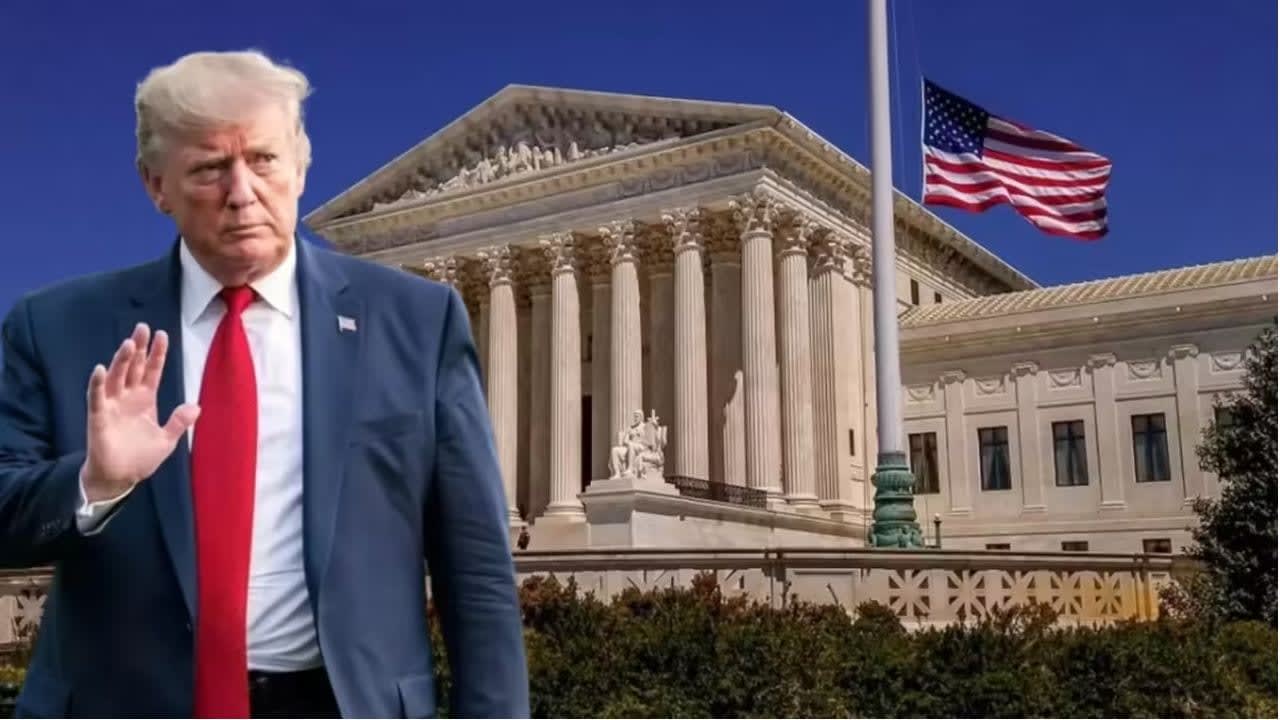
President Trump's final efforts to appoint judges are encountering resistance within the Senate. These roadblocks stem from the traditional practice of senators having significant influence over judicial vacancies in their home states.
The Tug-of-War Over Judicial Appointments
As the political landscape shifts, the process of filling federal judicial vacancies has become a focal point of friction between the executive branch and the legislative body. President Trump’s recent push for a last-minute appointment blitz is currently facing significant hurdles within the U.S. Senate. This tension highlights the ongoing struggle for power regarding the federal judiciary, a branch of government that holds lifetime appointments and significant influence over American legal precedent.
The Role of Senatorial Courtesy
At the heart of these roadblocks is the long-standing tradition of senatorial courtesy. Historically, senators have played a pivotal role in vetting and recommending candidates for judicial vacancies that arise within their own states. This unwritten rule allows senators to wield considerable influence over who sits on the federal bench in their home jurisdictions. When the executive branch attempts to bypass these traditional consultations, it often results in immediate pushback from senators who feel their institutional prerogatives are being undermined.
Institutional Friction and Executive Strategy
President Trump’s strategy of accelerating judicial appointments during the final stages of his term is an attempt to secure a lasting ideological legacy within the court system. However, the legislative branch often views such 'blitzes' with skepticism, especially when they deviate from established norms of consultation. The current resistance from Republican senators suggests that even within the same party, the institutional loyalty to Senate procedures can outweigh the desire to push through rapid judicial confirmations.
The Impact on Judicial Independence
This conflict underscores the broader implications for the independence of the judiciary. When the appointment process becomes a battlefield for political maneuvering, the public perception of the courts can shift from being viewed as neutral arbiters of law to being seen as extensions of the political branches. The reliance on senatorial input is intended to serve as a check on executive power, ensuring that appointees have local support and a degree of consensus-building before they take the bench.
Future Trends in Judicial Nominations
Looking ahead, this situation suggests that the confirmation process will likely remain highly contentious. As both parties continue to prioritize the appointment of ideologically aligned judges, the traditional norms that once smoothed the confirmation process are increasingly being tested. If the trend of bypassing senatorial input continues, we may see a formalization of rules that either codify the power of the Senate or lead to further executive-legislative gridlock.
Conclusion
The current roadblocks facing the administration’s judicial appointments serve as a reminder that the legislative process is not merely a rubber stamp for executive desires. By asserting their traditional role in the nomination process, senators are reinforcing the system of checks and balances that defines American governance. Whether or not these appointments ultimately proceed will depend on the ability of the executive branch to navigate the delicate balance between achieving its policy goals and respecting the legislative traditions that govern the federal judiciary.
Verification Required?