Yogi Adityanath flags ‘missing Hindu voters’, some in BJP question how it happened
Source Entity
Lalmani Verma
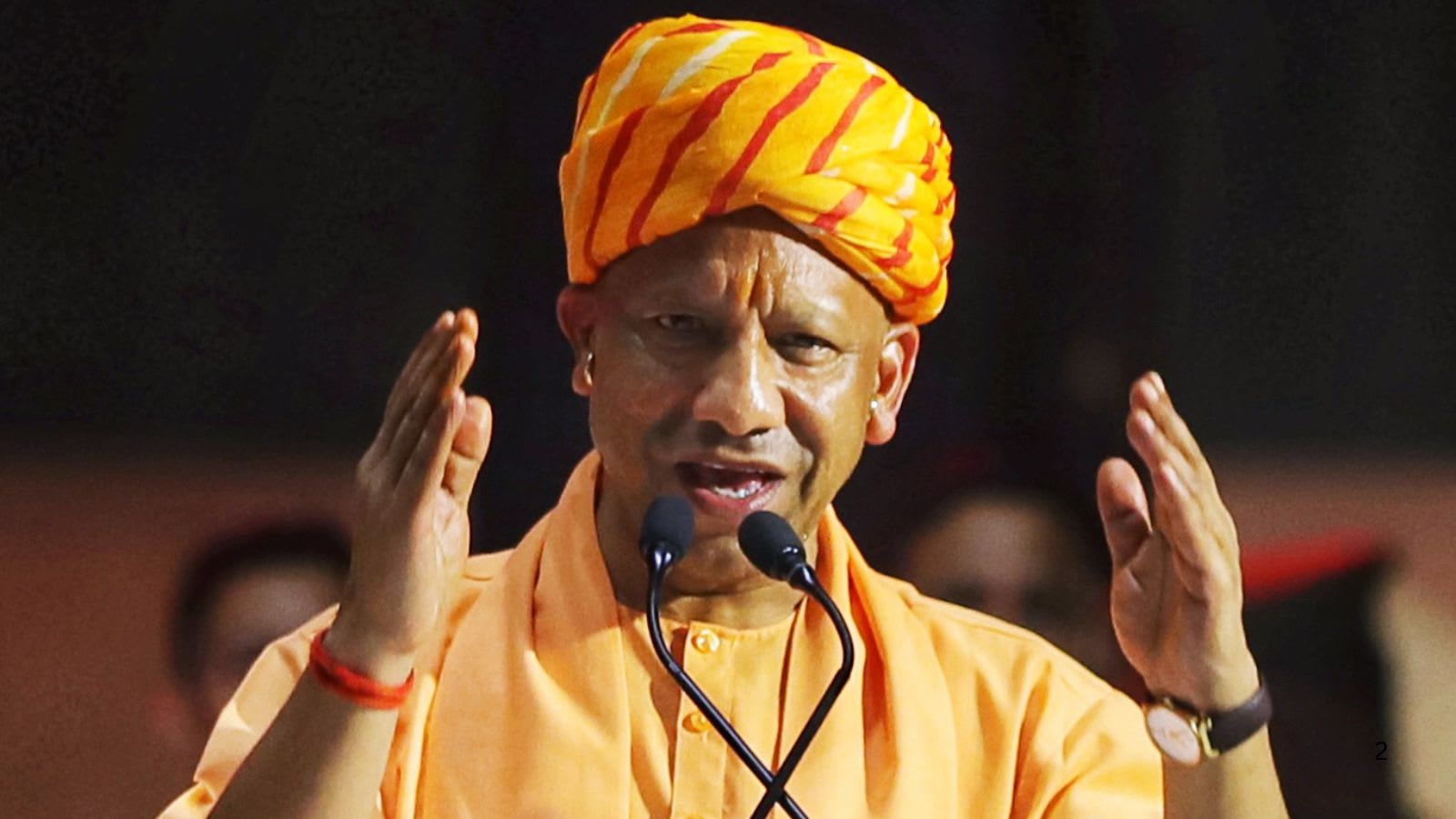
Uttar Pradesh CM Yogi Adityanath has claimed 1.27 crore Hindu voters were omitted from electoral rolls, sparking internal debate within the BJP. The statement highlights concerns over party organizational efficacy during the Special Intensive Revision process.
The Electoral Roll Controversy in Uttar Pradesh
Uttar Pradesh Chief Minister Yogi Adityanath has ignited a significant internal discourse within the Bharatiya Janata Party (BJP) by publicly claiming that 1.27 crore Hindu voters were missing from the state's electoral rolls following the Special Intensive Revision (SIR). This assertion has created a delicate political friction, as it forces the party to reconcile its image of organizational dominance with the reality of perceived administrative failures at the booth level.
Internal Scrutiny and Organizational Efficacy
The core of the controversy lies in the question of how such a vast number of voters could be excluded under the oversight of the BJP’s expansive party machinery. The BJP prides itself on its 'panna pramukh' and booth-level management systems, which are considered the most robust in Indian politics. With over 1.61 lakh Booth Level Agents (BLAs) deployed to monitor the revision process, party insiders are questioning how these workers failed to identify or rectify the alleged mass exclusion of Hindu voters. This has led to a narrative of internal accountability, where some leaders feel the Chief Minister's statement unintentionally casts a shadow over the dedication of their ground-level cadre.
Strategic Consolidation or Tactical Misstep?
Conversely, a segment of the BJP leadership views this public declaration as a calculated move to consolidate the Hindu vote bank ahead of upcoming Assembly elections. By framing the issue as a specific loss of 'Hindu voters,' the Chief Minister may be attempting to galvanize the party's base and emphasize the importance of electoral vigilance. This approach seeks to transform a perceived administrative lapse into a rallying cry, framing the missing voters as a collective loss that necessitates greater mobilization and unity among the electorate.
The Role of Booth-Level Monitoring
The fact that the state headquarters was continuously monitoring the work of these 1.61 lakh BLAs adds another layer of complexity. If the oversight was as continuous and rigorous as claimed, the discrepancy suggests either a massive failure in data collection, an oversight in the coordination between party workers and the Election Commission, or a misunderstanding of the electoral roll revision process itself. This tension between the party’s centralized monitoring and the ground-level output is now a subject of intense debate.
Broader Implications for Future Elections
As the state heads toward critical Assembly elections, the impact of this statement on the BJP's organizational morale cannot be overstated. If the party continues to emphasize this 'missing voter' narrative, it must address the operational gaps that allowed it to happen. Failure to do so could lead to a demoralized cadre or a loss of voter confidence. Moving forward, the BJP will likely seek to refine its voter verification processes to ensure that the organizational machinery is truly as efficient as its reputation suggests, thereby avoiding such public discrepancies in the future.