‘You’re disgusting’: Trump body shames journalist after question on cancelled rally
Source Entity
The Indian Express
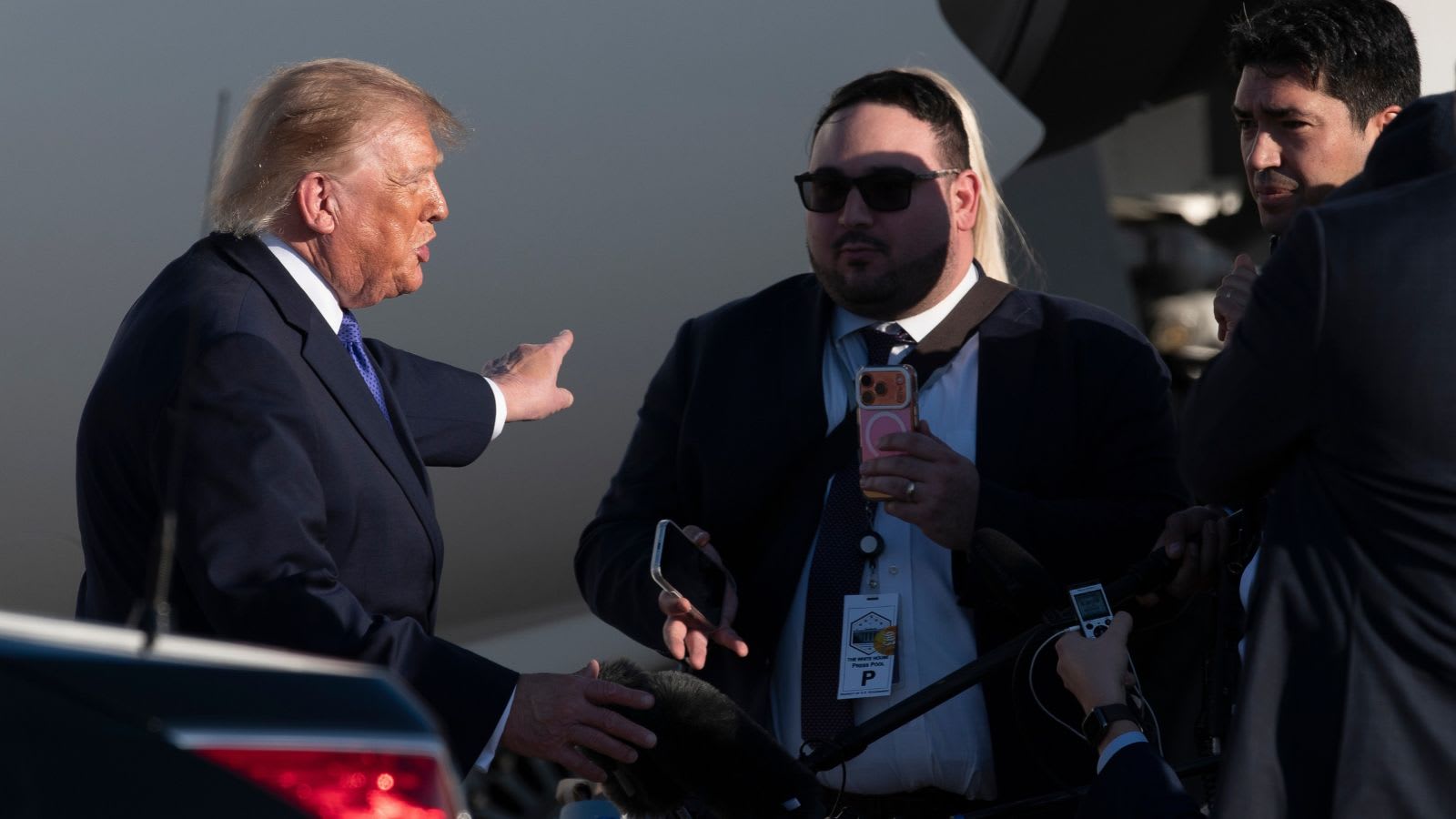
President Trump engaged in a verbal altercation with Reuters reporter Jacob Bogage after being questioned about campaign rally cancellations. The President responded by mocking the reporter's physical appearance and health rather than addressing the inquiry regarding his travel schedule.
Confrontation Over Campaign Schedule and Personal Conduct
Recent reports confirm a volatile exchange between US President Donald Trump and Reuters journalist Jacob Bogage. When asked for clarification regarding the cancellation of scheduled campaign rallies in Kansas and Iowa—events intended to support Republican Senator Roger Marshall—the President redirected the inquiry toward the reporter’s personal appearance. This reaction highlights the ongoing tension between the administration and the press corps, particularly when inquiries touch upon the President’s health or the logistical constraints of his campaign trail.
The Context of Campaign Exhaustion
The inquiry stemmed from the President’s decision to skip planned appearances after four weeks of intensive travel aimed at bolstering Republican electoral prospects. The cancellation of these events, with reports suggesting he would instead participate via phone, prompted legitimate journalistic interest regarding the President's physical state or potential changes in campaign strategy. By choosing to address the reporter’s physical shape rather than the logistical shift, the President effectively neutralized the policy-based discussion in favor of a personal confrontation.
Rhetoric and the 'Body-Shaming' Narrative
During the exchange, the President utilized inflammatory language, labeling the reporter as "sick" and "disgusting," while explicitly mocking his physical fitness. This incident serves as a prominent example of the President’s well-documented rhetorical style, which often involves personalizing political discourse. By shifting the focus to the reporter's "out of shape" status, the President avoided answering whether the travel cancellations were due to fatigue or a strategic pivot, further complicating the relationship between the White House and the media.
Implications for Press Relations
This interaction underscores the broader challenges in modern political reporting, where questions regarding a leader's health or campaign capacity are frequently met with hostility. Such encounters often lead to a "chilling effect" on the press, as the focus shifts from the accountability of a public official to the conduct of the reporter. The incident involving Jacob Bogage is likely to be viewed as a case study in how the executive office manages scrutiny surrounding the intensity of campaign schedules.
Historical Precedent and Future Trends
Historically, the relationship between the presidency and the media has always been adversarial, but the rise of personalized, confrontational rhetoric marks a distinct shift in the current era. As campaign cycles become increasingly grueling and digital media demands instant responses, the pressure on both candidates and journalists intensifies. Future interactions of this nature will likely continue to test the boundaries of professional conduct during press briefings, reflecting a polarized climate where personal insults are increasingly used as a shield against administrative oversight.
Conclusion
Ultimately, the exchange between President Trump and the Reuters reporter serves as a stark reminder of the friction inherent in political journalism. By prioritizing personal attacks over transparent communication regarding his campaign schedule, the President managed to divert the conversation away from the logistical implications of his cancelled rallies. As the election cycle progresses, observers will be watching to see if this pattern of discourse continues to define the interactions between the White House and the journalists assigned to cover it.