Trump asked Musk to lift Starlink slowdown, WSJ reports
Source Entity
US Top News and Analysis
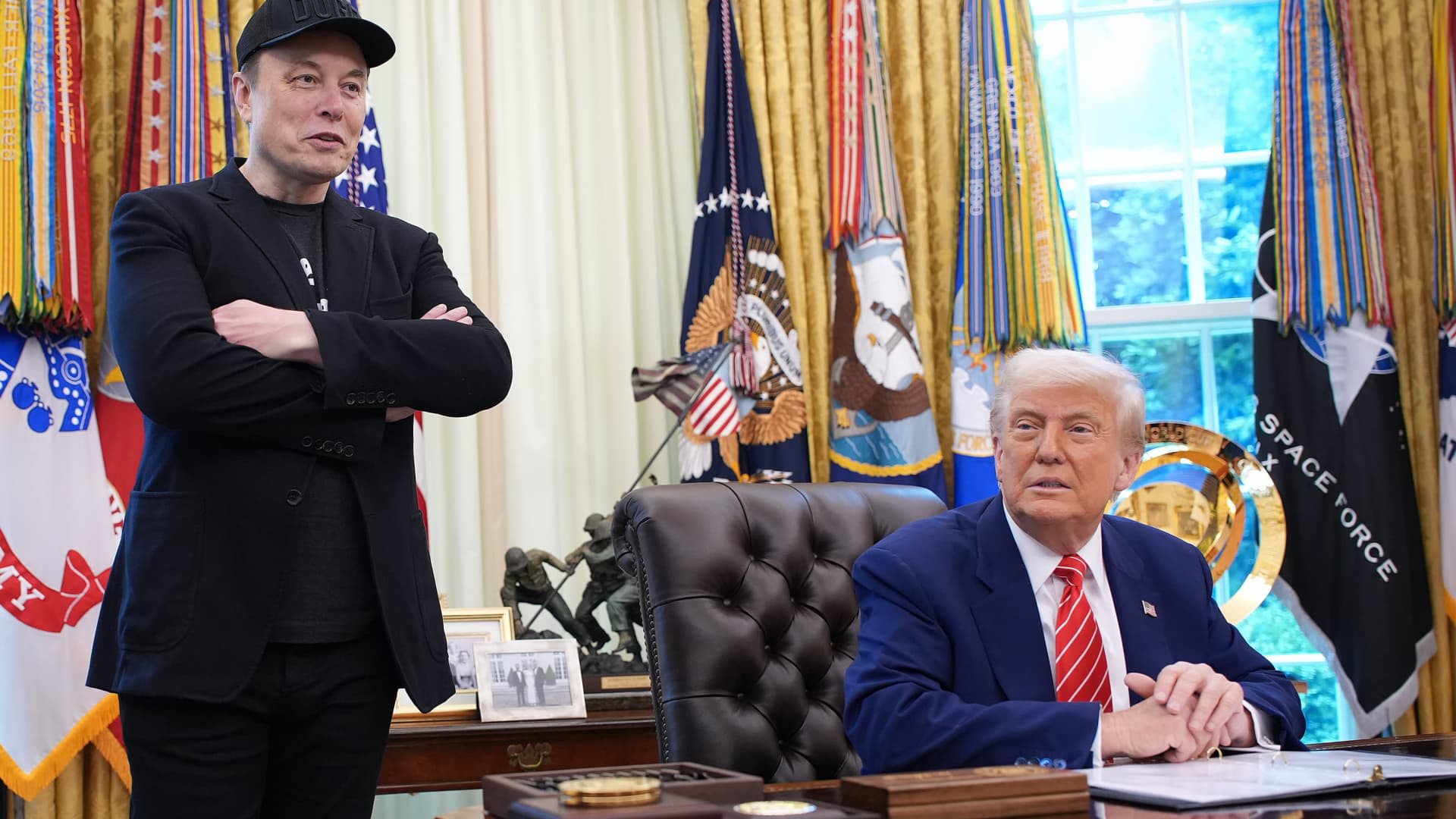
President Donald Trump reportedly urged Elon Musk to lift restrictions on Ukraine's military-grade Starshield network. Following the communication, reports suggest connectivity was restored, highlighting the intersection of private technology and international conflict.
The Intersection of Private Tech and Geopolitics
The recent reports regarding President Donald Trump’s intervention in the operational status of SpaceX’s Starlink network in Ukraine underscore a modern shift in global conflict: the reliance of sovereign states on private, commercial technology providers. As Ukraine continues to utilize the Starshield system for critical military operations, the capability of Elon Musk—as the CEO of SpaceX—to influence the theater of war has become a focal point of international scrutiny.
The Dynamics of the Starlink 'Slowdown'
At the center of this controversy is the alleged throttling of Starlink services, which Ukraine heavily depends on for drone operations and tactical communications. While Musk has previously denied imposing restrictions, reports from the Wall Street Journal and subsequent statements from President Trump suggest a direct conversation occurred regarding these limitations. This situation highlights the immense power held by satellite network operators who, by technical necessity, act as gatekeepers for military connectivity in contested regions.
A Complex Relationship Between Key Figures
The reported phone call between President Trump and Elon Musk reveals a complex web of influence. Musk, who has been a vocal critic of Ukrainian President Volodymyr Zelenskyy, finds himself in a position where his corporate decisions have direct impacts on the battlefield. The fact that connectivity reportedly improved shortly after Trump reached out to Musk suggests that informal diplomatic channels are increasingly being used to navigate the gray areas of private-sector involvement in geopolitical crises.
Implications for Modern Warfare
Ukraine’s dependence on the Starshield system demonstrates how rapidly warfare has evolved. By relying on a commercial satellite constellation, the Ukrainian military achieved unprecedented connectivity, yet it also created a vulnerability to the whims of corporate leadership. This tension between business interests and national security objectives poses a significant challenge for future defense policies, as nations must now grapple with the reality that their strategic infrastructure may be owned and operated by private individuals.
Future Trends in Satellite Sovereignty
This incident will likely trigger a broader debate regarding 'satellite sovereignty.' Moving forward, we can expect governments to seek more robust, state-controlled, or diversified communication networks to avoid the risks associated with relying on a single private provider. The event serves as a case study for future regulation, as international bodies and defense departments evaluate how to ensure that essential communications infrastructure remains reliable regardless of the political or personal stances of its owners.
Conclusion
While the specific details of the communication between Trump and Musk remain subject to interpretation, the outcome—the restoration of Starlink access—is clear. The episode serves as a powerful reminder of how the lines between private enterprise and state security have blurred. As the conflict in Ukraine persists, the role of companies like SpaceX will remain a critical, yet controversial, element of the global security landscape.
Multiple Citing Sources