Trump Says US Has No Immediate Plan To Strike Iran
Source Entity
NDTV News Search Records Found 1000
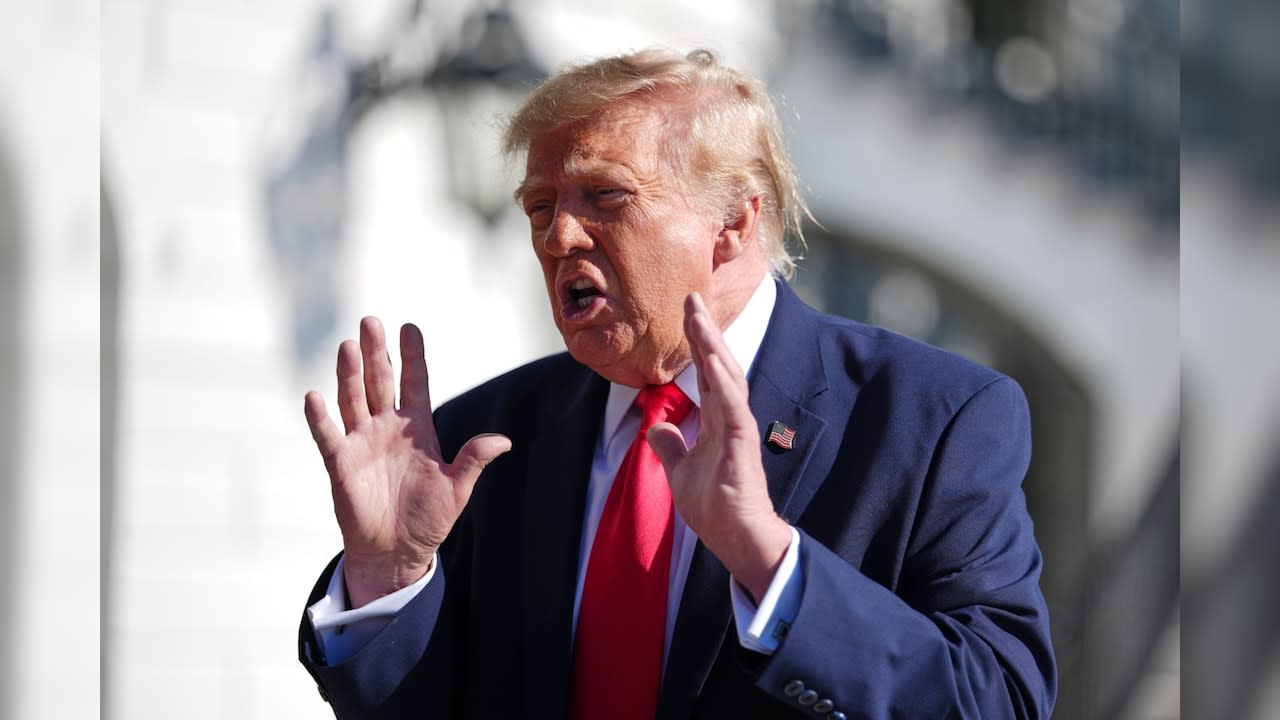
President Trump has clarified that the United States currently holds no immediate plans for a military strike against Iran. This statement serves to de-escalate regional tensions following periods of heightened geopolitical friction.
U.S.-Iran Relations: Assessing the Stance on Military Action
Recent reports confirming that President Trump has stated the United States has no immediate plans to strike Iran mark a significant moment in the ongoing geopolitical discourse regarding Middle Eastern stability. By communicating this position directly to the Financial Times, the administration has signaled a preference for diplomatic caution over immediate military escalation. This development is crucial for regional stakeholders who have been monitoring the volatile relationship between Washington and Tehran.
Contextualizing the Strategic Restraint
The declaration of 'no immediate plans' for a military strike serves as a vital signal to global markets and international allies. Historically, the relationship between the U.S. and Iran has been characterized by cycles of sanctions, rhetoric, and periodic flare-ups in the Persian Gulf. By publicly ruling out imminent kinetic action, the U.S. executive branch is attempting to stabilize the narrative, potentially preventing miscalculations by regional actors who might otherwise react to perceived threats of an impending attack.
Geopolitical Implications of Public Statements
When a world leader explicitly clarifies their military intentions, the primary objective is often the management of 'perception risk.' In the context of the Middle East, where military posturing is common, such a statement acts as a pressure-release valve. It reduces the immediate urgency for defensive maneuvering from neighboring states and helps dampen the volatility in global energy markets, which are historically sensitive to any news of potential conflict in the Gulf region.
Historical Precedents and Future Trends
Looking back, U.S. foreign policy toward Iran has frequently oscillated between 'maximum pressure' campaigns and attempts at containment through non-military means. This latest clarification aligns with a trend of avoiding open-ended regional conflicts, even while maintaining a posture of deterrence. Future trends will likely depend on whether this period of restraint is met with reciprocal de-escalation or if the underlying tensions remain frozen in a state of 'managed hostility.'
Analytical Conclusion
Ultimately, the statement provided to the Financial Times provides a clear window into the current administration's tactical approach to the Iran dossier. While it does not represent a permanent shift in long-term strategy, it provides a much-needed period of predictability. Moving forward, observers should watch for how this position influences diplomatic back-channels and whether it succeeds in lowering the temperature of one of the world's most enduring geopolitical standoffs.
Verification Required?