'Lot Of Progress Likely': Trump Says Putin, Zelensky Meet "Very Soon"
Source Entity
NDTV News Search Records Found 1000
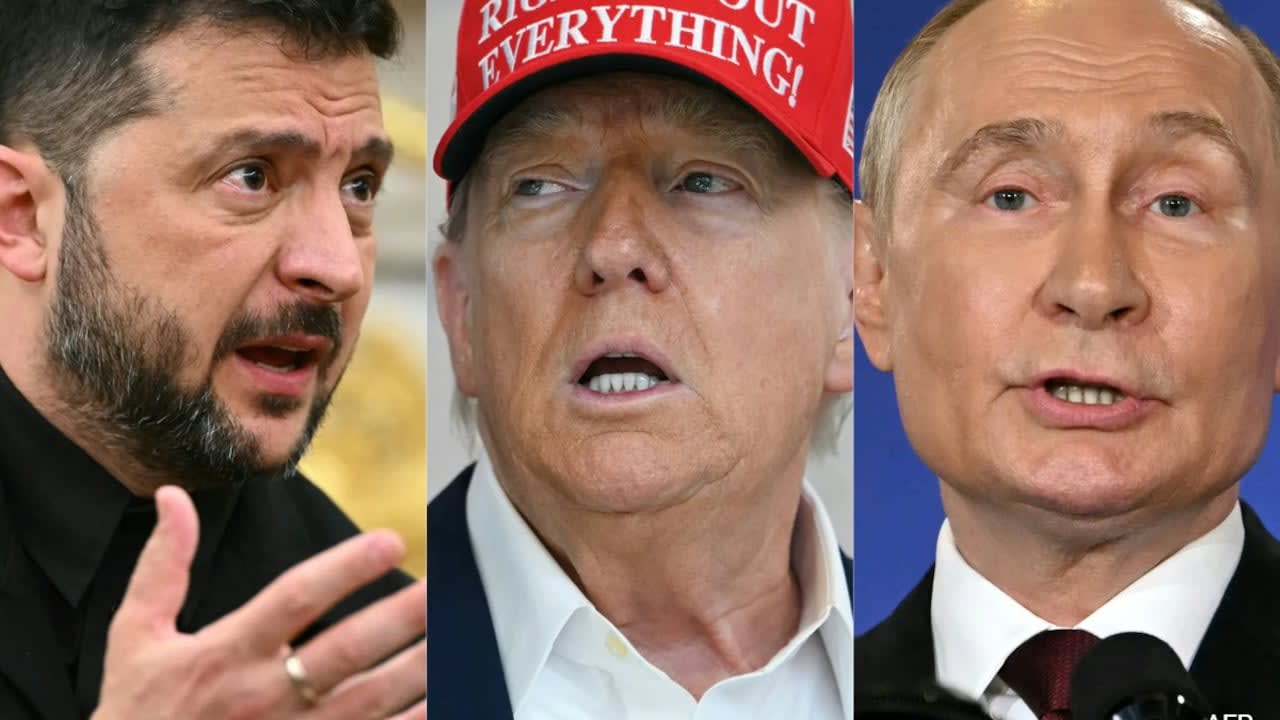
President Trump has signaled a high likelihood of upcoming negotiations between Vladimir Putin and Volodymyr Zelenskyy. This move follows his January 2025 inauguration and his campaign pledge to rapidly conclude the ongoing conflict.
The Diplomatic Shift: Trump’s Push for Peace
Following his inauguration in January 2025, President Donald Trump has begun operationalizing his administration's foreign policy objectives, most notably regarding the ongoing conflict in Eastern Europe. The recent declaration that Russian President Vladimir Putin and Ukrainian President Volodymyr Zelenskyy are likely to meet "very soon" marks a significant departure from the diplomatic stagnation that characterized much of the preceding years. By positioning himself as a central mediator, Trump is signaling a move toward direct high-level dialogue, aiming to break the battlefield deadlock that has persisted since the onset of the war.
The '24-Hour' Promise in Practice
Throughout his 2024 presidential campaign, Trump famously asserted that he could end the conflict within 24 hours of taking office. While skeptics initially dismissed this as campaign rhetoric, the recent developments suggest that the administration is actively leveraging the weight of the American presidency to force parties to the negotiating table. This approach relies heavily on personal diplomacy and the strategic use of U.S. leverage, implying that the White House is prepared to exert significant pressure on both Kyiv and Moscow to reach a cessation of hostilities.
Geopolitical Implications of a Summit
If a meeting between Putin and Zelenskyy materializes, it would represent a historic turning point in the conflict. The broader implications for global security are immense, as any deal brokered would necessitate complex compromises regarding territorial sovereignty, security guarantees, and the future of regional alliances. The administration’s focus on 'progress' suggests a prioritized effort to stabilize the region, potentially shifting the focus of U.S. foreign policy toward other domestic and international priorities.
Historical Context and Strategic Realignment
Historically, the conflict has been defined by a lack of direct communication between the primary belligerents. Trump’s push for a summit attempts to bypass the conventional diplomatic channels that have largely failed to produce a viable roadmap for peace. By seeking a direct meeting, the administration is attempting to force a resolution that accounts for the current realities on the ground, potentially signaling an end to the attritional warfare that has dominated the landscape since the conflict began.
Future Trends and Potential Hurdles
As the administration moves forward, the primary challenge will be reconciling the diametrically opposed objectives of the Russian and Ukrainian leadership. While the prospect of a meeting is a positive signal, the complexity of the underlying issues—ranging from security architectures to post-war reconstruction—suggests that 'progress' may be incremental rather than immediate. The coming weeks will likely see intense back-channel negotiations as the White House attempts to define the parameters of these meetings and manage the expectations of global stakeholders.
Concluding Summary
In conclusion, President Trump’s proactive stance on mediating the conflict signals a new phase of international engagement. By prioritizing a meeting between Putin and Zelenskyy, the administration is attempting to fulfill its core campaign promise of ending the war. While the path to a sustainable peace remains fraught with difficulty, the shift toward direct, high-level negotiation represents the most significant diplomatic effort to resolve the conflict since its inception.
Verification Required?