Trump says he is 'close' to decision on 'massive attack' on Iran, bigger than Epic Fury
Source Entity
TOI WORLD DESK
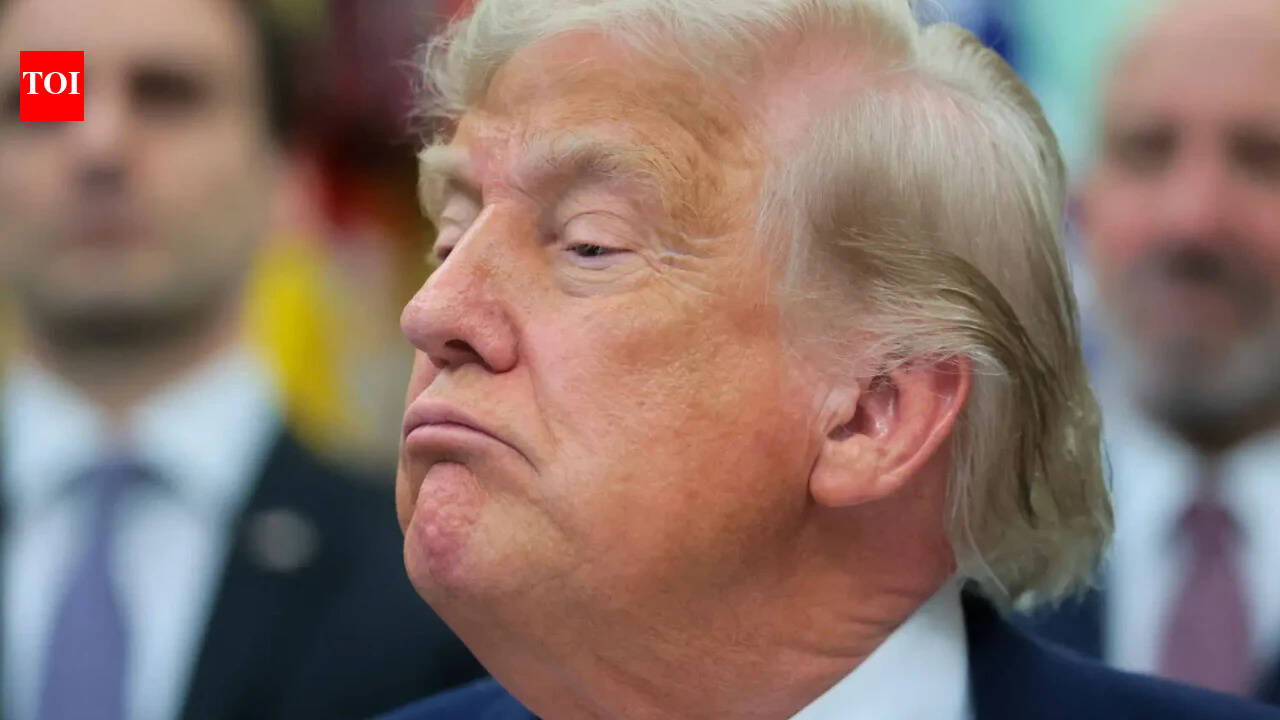
Former President Donald Trump has indicated he is nearing a decision regarding a potential military strike against Iran. He described the proposed action as being significantly larger in scale than the historical 'Epic Fury' operation.
Assessing the Strategic Implications of Potential Escalation
Former President Donald Trump’s recent remarks regarding a potential "massive attack" on Iran have signaled a significant escalation in geopolitical rhetoric. By explicitly comparing this prospective action to "Epic Fury," a term suggesting a high-intensity military engagement, Trump has drawn attention to his administration's historical approach to international brinkmanship. This statement serves as a stark reminder of the volatile nature of U.S.-Iran relations, which have been defined by decades of sanctions, proxy conflicts, and intermittent military posturing.
Historical Context and Strategic Deterrence
The mention of "Epic Fury" as a benchmark for scale provides a window into how the former president quantifies military efficacy. Historically, such rhetoric is often utilized as a tool of strategic deterrence, aimed at signaling strength to both domestic audiences and international adversaries. By framing a potential response in terms of magnitude, the messaging suggests that the threshold for U.S. intervention is being recalibrated in the eyes of the former administration, reflecting a policy preference for overwhelming force over incremental diplomatic engagement.
The Geopolitical Ripple Effect
Any military action of the magnitude described would have profound implications for global stability, particularly regarding oil markets and regional alliances in the Middle East. The Iranian response to such threats is typically calculated to leverage regional proxies and asymmetric warfare capabilities, which complicates the landscape for international observers. The prospect of a "massive attack" necessitates a deeper analysis of how regional powers, such as Saudi Arabia and Israel, might adjust their own defense postures in response to a surge in U.S.-led kinetic activity.
Domestic Political Dimensions
Domestically, this rhetoric highlights the divergent approaches to foreign policy within the American political spectrum. While supporters often view such declarations as an assertion of "peace through strength," critics argue that such language increases the risk of miscalculation and entangles the United States in protracted conflicts. The use of inflammatory descriptors in public discourse reflects a broader trend of utilizing high-stakes foreign policy rhetoric to influence political narratives at home.
Future Trends in U.S.-Iran Relations
Looking ahead, the trajectory of this relationship remains precarious. Should the rhetoric transition into actual military planning or execution, the international community would likely face a period of intense volatility. The reliance on "massive" force as a primary diplomatic tool suggests that future interactions between the two nations may become increasingly defined by periodic cycles of escalation rather than long-term diplomatic resolution, potentially reshaping the security architecture of the entire Middle East region for years to come.