US to end $4 billion military aid to Israel after 2026, Trump says 'they don't need it'
Source Entity
Latest News: Todays Latest News Headlines from India & World | Hindustan Times
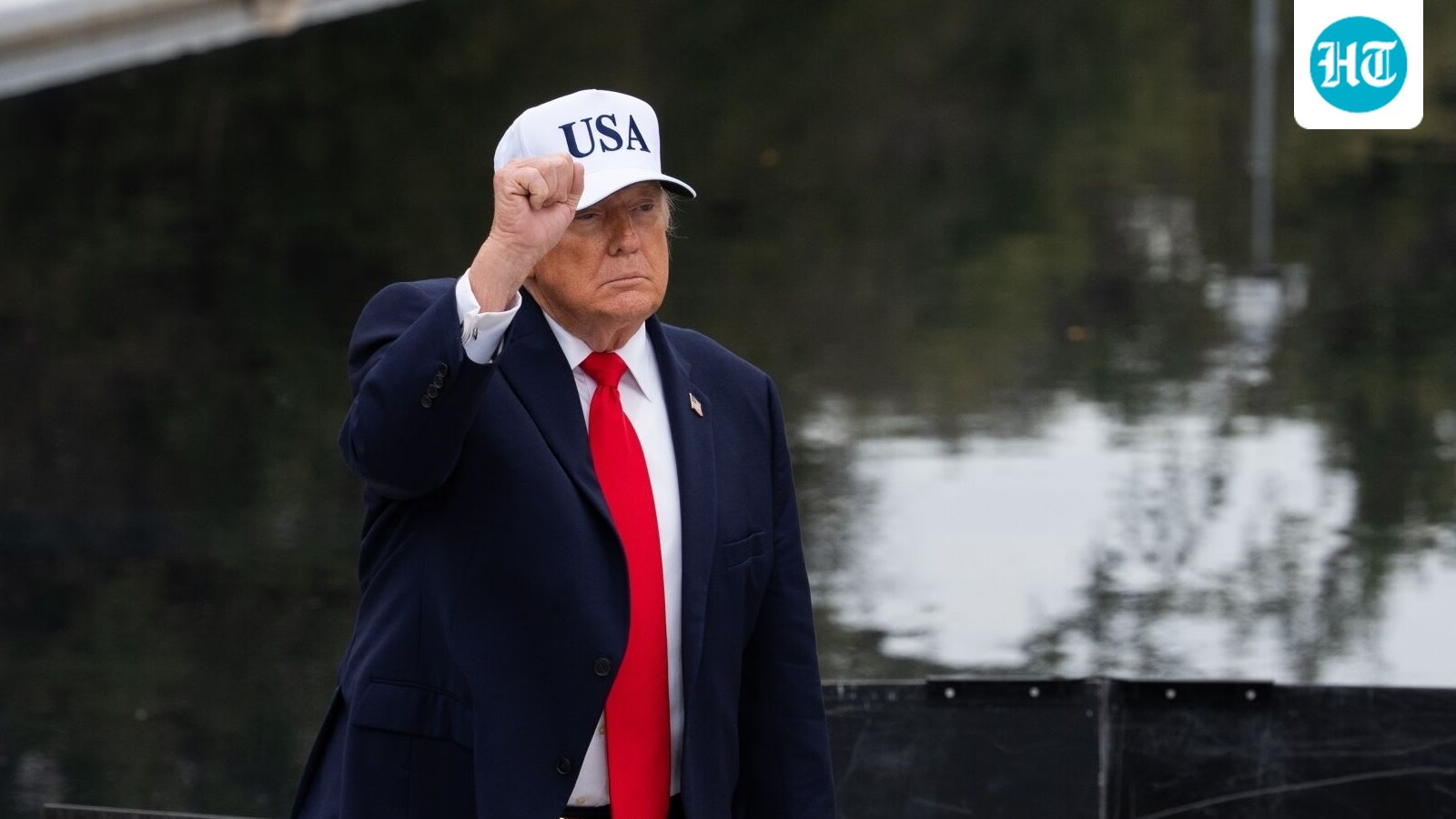
President Donald Trump has announced an agreement with Israeli Prime Minister Benjamin Netanyahu to phase out the $4 billion in annual military aid to Israel by 2027. The administration argues that Israel's economic growth renders the assistance unnecessary, though the U.S. will continue to facilitate military hardware sales.
The Shift in U.S.-Israel Financial Relations
President Donald Trump has formally announced a significant shift in the long-standing U.S.-Israel strategic partnership, confirming that the United States will cease its annual $4 billion military aid package to Israel by the end of 2027. This decision, reached after extensive deliberations with Israeli Prime Minister Benjamin Netanyahu, marks a departure from decades of American fiscal support that has historically underpinned Israel’s defense budget. According to the President, this pivot represents a move toward a relationship based on trade and hardware sales rather than direct financial assistance.
Rationale for the Discontinuation
The primary justification provided by the administration for this policy change is the evolution of Israel’s domestic economy. President Trump asserted that Israel no longer requires direct financial support from Washington, characterizing the country as capable of sustaining its own defense requirements. This argument reflects a broader 'America First' policy approach, which seeks to reduce the burden of foreign aid on the U.S. federal budget. By framing the cessation of aid as a mutually agreed-upon deal, the administration aims to emphasize that Israel’s economic maturity warrants a transition to a more conventional, market-based defense procurement model.
Political Implications and Partisan Dynamics
Beyond the economic rationale, the decision appears heavily influenced by domestic American political tensions. President Trump noted that U.S. funding for Israel has frequently become a contentious talking point for Democratic candidates and left-wing politicians, who have used the subject to criticize Republican policies. By removing the aid package, the administration may be attempting to neutralize a recurring point of contention in American political discourse, effectively shifting the narrative away from government-subsidized support and toward private sector military sales.
Strategic Continuity and Future Trends
Despite the end of the $4 billion annual grant, the administration has been clear that the U.S. will continue to support Israel’s security through the sale of military hardware. This suggests that while the fiscal mechanism is changing, the core strategic alliance remains intact. Future trends indicate that the relationship will likely move toward a 'barter' or purely transactional model, where Israel remains a primary customer for American defense technology, but without the direct budgetary transfers that have defined the relationship for decades.
Historical Context and Long-term Impact
For years, the annual $4 billion commitment has served as a cornerstone of the U.S.-Israel Memorandum of Understanding, providing the Israeli military with the stability needed to plan long-term defense acquisitions. The transition to a post-aid era signifies a major milestone in the history of the Middle East. As the two nations move toward this new framework, the focus will likely shift to how Israel manages its defense spending independently and how the U.S. defense industry adapts to a client that is no longer reliant on grants to finance its security requirements.
Verification Required?