Ukraine strikes Iranian vessels in Caspian Sea, Tehran accuses Kyiv of 'hostile and criminal act'
Source Entity
US Top News and Analysis
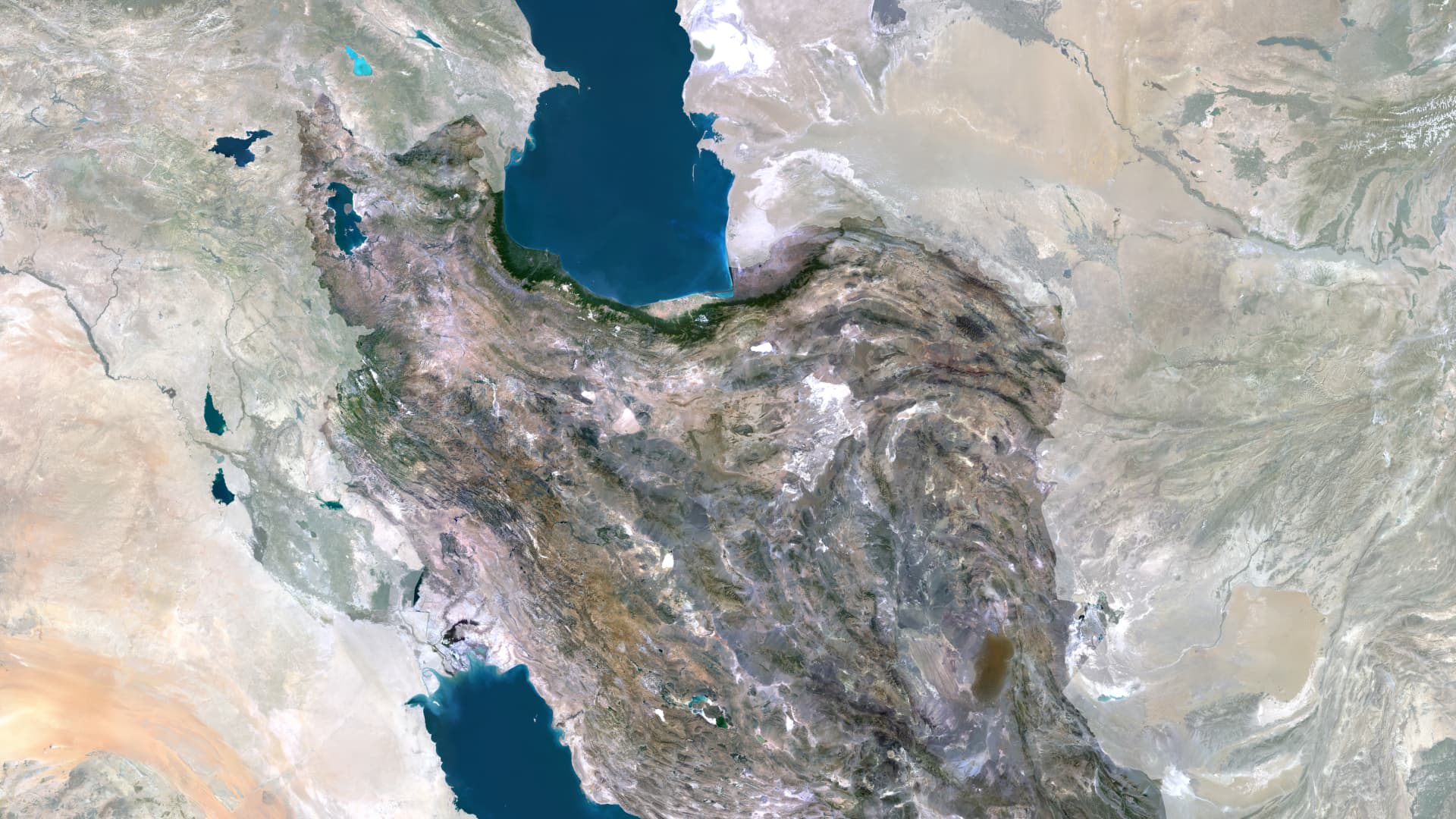
Tensions between Ukraine and Iran have escalated following a deadly strike on an Iranian vessel in the Caspian Sea. Tehran has condemned the attack as a criminal act and vowed retaliation, further complicating the geopolitical intersection of the Ukraine-Russia war and Middle East conflicts.
The Escalation of Trans-Regional Conflict: Ukraine and Iran
The recent reported attack on an Iranian commercial vessel in the Caspian Sea marks a significant and dangerous shift in the ongoing conflict between Ukraine and Russia, drawing Iran directly into the kinetic sphere of the war. By targeting a vessel in the Caspian, Ukraine appears to be signaling a strategy of disruption against the supply chains that facilitate the movement of military hardware and support between Tehran and Moscow. This incident has prompted an immediate diplomatic crisis, with Tehran summoning the Ukrainian chargé d'affaires to express its formal, severe condemnation of what it terms a 'hostile and criminal act.'
The Strategic Importance of the Caspian Sea
The Caspian Sea has long served as a vital maritime corridor for Russia and its allies. For Moscow, the route is essential for logistics, particularly as it pertains to the transfer of Iranian-made drones and other military components used in the invasion of Ukraine. By extending its operational reach to these waters, Kyiv is attempting to impose a cost on Iran for its material support of the Russian war effort. This move suggests that Ukraine is no longer limiting its defense to its own borders, but is instead actively seeking to degrade the logistical networks that sustain the Russian military machine.
Diplomatic Fallout and Regional Instability
The diplomatic fallout has been swift, with Iranian Foreign Minister Abbas Araghchi warning that the strike 'cannot go unanswered.' This rhetoric signals a potential shift in Iran’s posture, moving from a silent partner in the Russia-Ukraine conflict to a more direct protagonist. Araghchi’s decision to engage in immediate high-level communications with EU foreign policy chief Kaja Kallas and Russian officials underscores the international gravity of the event. The incident threatens to draw European powers and other regional stakeholders further into a complex web of overlapping security dilemmas.
Intersecting Conflicts: Yemen to Ukraine
This incident does not occur in a vacuum; it is part of a broader, widening regional volatility. Reports link this escalation to concurrent tensions involving Saudi military strikes on Iran-backed Houthi targets in Yemen. As these disparate conflicts begin to overlap, the risk of a miscalculation leading to a broader regional conflagration increases. The international community is now faced with a situation where traditional borders of conflict are blurring, linking the security of the Black Sea and the Caspian Sea to the volatile dynamics of the Middle East.
Future Trends and Geopolitical Implications
Looking ahead, this strike may force a re-evaluation of maritime security in the Caspian region. If Ukraine continues to target vessels it associates with the Russian war effort, Iran may feel compelled to increase its naval presence or seek more robust defense arrangements with Moscow. This cycle of escalation could lead to a permanent state of tension in a region previously considered secondary to the main front lines in Ukraine. The world is watching to see if this incident serves as a momentary flare-up or the catalyst for a more entrenched, multi-front confrontation between the involved nations and their respective global alliances.