After Ukraine PM’s exit, Defense Minister axed: Why does Zelensky keep purging his generals?
Source Entity
Latest News: Today's Latest News Headlines from India & World | Hindustan Times | Hindustan Times
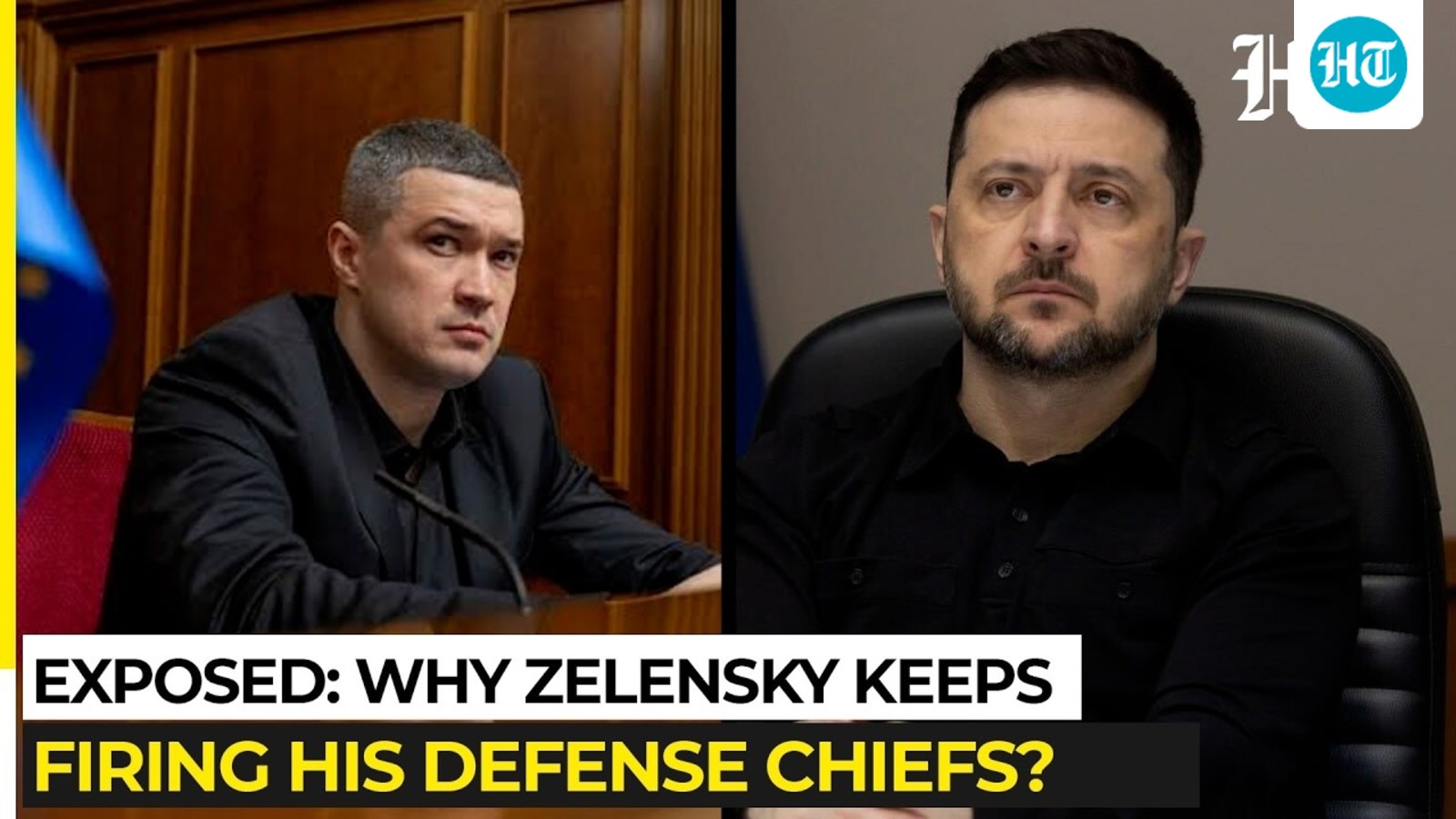
President Volodymyr Zelensky has initiated another significant political reshuffle in Ukraine, removing the Defense Minister following the Prime Minister's exit, sparking debate over leadership stability and military strategy during the ongoing war with Russia.
Ukraine's Leadership Volatility: Analyzing the Recent Political Purges
President Volodymyr Zelensky's decision to remove the Defense Minister shortly after the exit of the Prime Minister marks a critical juncture in Ukraine's wartime governance. This rapid succession of high-level departures is not merely a routine administrative change but a signal of deep-seated systemic pressures. By clearing out the top tiers of civilian and military oversight, Zelensky appears to be attempting to break through strategic stalemates and address perceived inefficiencies within the state apparatus. This pattern of 'purging' suggests a leadership style that prioritizes agility and accountability over long-term bureaucratic stability, reflecting the desperate urgency of a nation fighting for its survival.
The Drive for Accountability and Reform
One of the primary drivers behind these frequent reshuffles is the imperative for accountability. In the context of a total war, failures in logistics, procurement, or battlefield strategy have immediate and lethal consequences. The removal of a Defense Minister often coincides with efforts to root out corruption or mismanagement within the military-industrial complex. By replacing top officials, Zelensky is likely attempting to signal to both the Ukrainian public and the international community that the government is intolerant of incompetence or graft. This strategy is intended to maintain public morale and ensure that the war effort remains lean and effective, though it risks creating a culture of instability among the remaining leadership.
Implications for Military Strategy and Command
From a strategic standpoint, the replacement of generals and defense officials can lead to significant shifts in operational philosophy. Frequent changes at the top can disrupt the continuity of command and control, potentially creating friction between the civilian leadership in Kyiv and the commanders on the front lines. However, these moves can also be viewed as a necessary 'reset' to implement new tactical approaches or to align the military's goals more closely with the President's vision. The tension between the need for consistent leadership and the demand for fresh strategic thinking remains a central challenge for the Ukrainian high command as they navigate a protracted conflict with Russia.
Navigating NATO Cooperation and Western Support
These leadership shake-ups occur against the backdrop of intense cooperation with NATO and other Western allies. For the West, stability is often equated with reliability; however, transparency and reform are equally valued. The purging of officials may be a calculated move to satisfy Western donors who demand stricter oversight of military aid and a commitment to democratic governance. By demonstrating a willingness to remove underperforming or controversial figures, Zelensky may be attempting to secure a more consistent flow of advanced weaponry and financial support, framing the instability as a proactive effort to modernize the state.
Historical Context and Wartime Governance
Historically, wartime governments often experience higher rates of leadership turnover as the pressures of conflict expose flaws in personnel and strategy. The volatility seen in Ukraine mirrors historical precedents where leaders were forced to pivot rapidly to adapt to changing battlefield realities. In Ukraine's case, the transition from a peacetime administration to a wartime footing has been abrupt and violent, necessitating a rapid evolution of the government's structure. The current 'purges' are a symptom of this evolution, as the administration seeks a balance between the democratic processes of a sovereign state and the centralized efficiency of a military junta.
Future Trends: Stability vs. Agility
Looking forward, the trend of frequent leadership changes is likely to persist as long as the conflict remains in a state of high-intensity attrition. We can expect Zelensky to continue rotating officials based on the success or failure of specific offensives or the emergence of new political pressures. The critical risk moving forward will be whether this cycle of replacement leads to a 'brain drain' or a hesitation among officials to take necessary risks for fear of being the next to be axed. The long-term success of this approach depends on whether the new appointees can bring tangible improvements to the war effort or if the reshuffles are merely cosmetic changes.
Summary
In conclusion, the removal of the Prime Minister and Defense Minister is a high-stakes gamble by President Zelensky to optimize Ukraine's war machine. While these moves address the immediate need for accountability and strategic pivots, they introduce a layer of political instability that could complicate long-term planning. Ultimately, the effectiveness of these purges will be measured not by the number of officials replaced, but by the measurable improvement in military efficiency and the continued strength of international alliances.
Verification Required?