Everything unproven is not pseudoscience
Source Entity
Chandrakant Lahariya
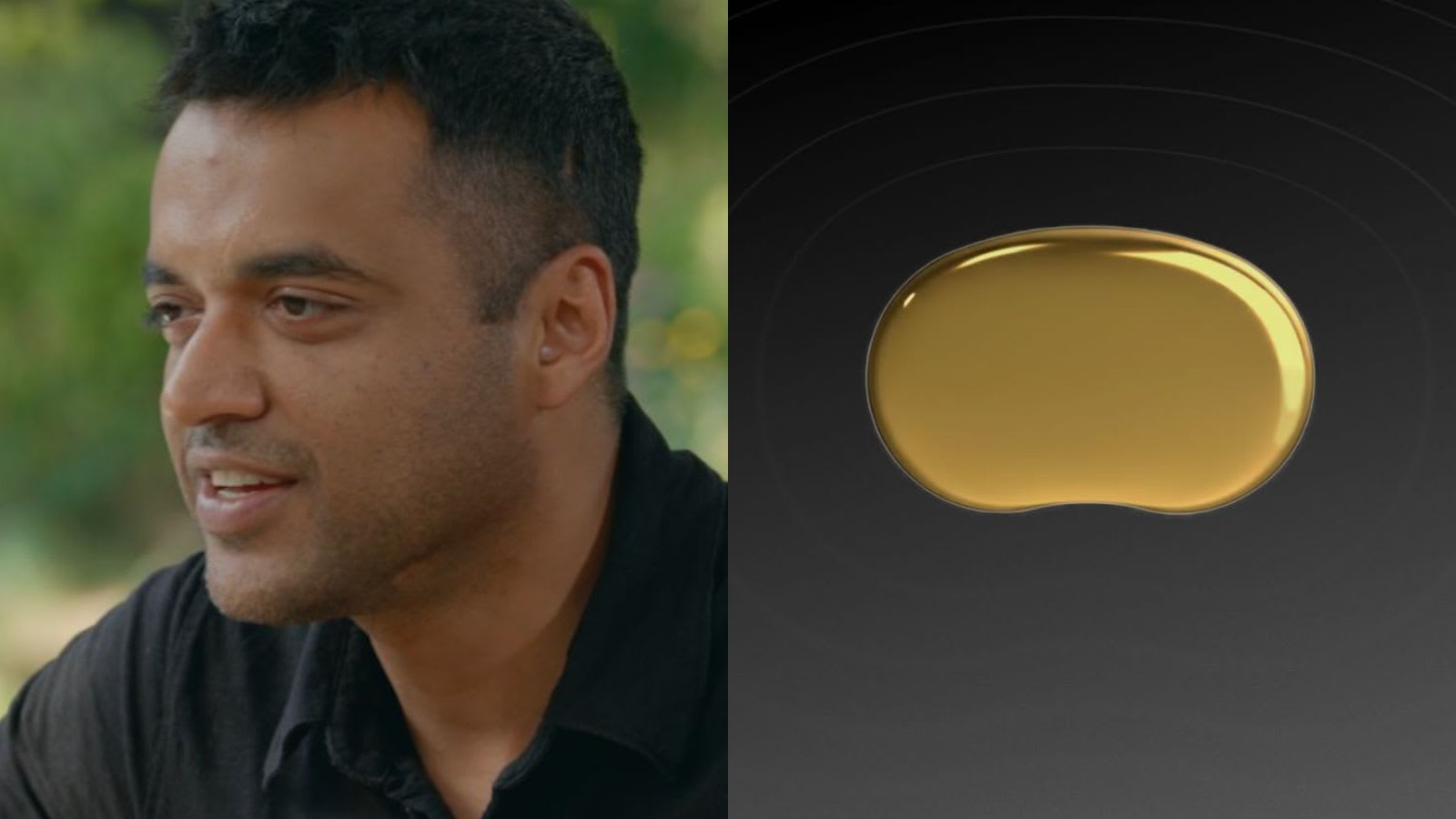
The recent controversy surrounding experimental health products underscores a public misunderstanding of the scientific method. It highlights the dangerous shift where social media popularity often eclipses rigorous evidence-based validation.
The Blurred Lines of Scientific Inquiry
The recent controversy surrounding an experimental health technology and a wellness product serves as a stark reminder of the fragile boundary between genuine scientific inquiry and unverified speculation. In an era where information travels instantly, the public’s grasp of the scientific method—the rigorous process of observing, hypothesizing, and testing—is increasingly compromised. This incident highlights a growing trend where the distinction between a novel idea and empirical evidence is lost in the noise of digital discourse.
The Anatomy of the Scientific Method
To understand why unproven claims are not inherently 'pseudoscience,' one must first appreciate the two pillars of scientific progress: induction and deduction. Science begins with induction, where observations suggest possibilities that have yet to be formally demonstrated. Much like the legend of Newton’s apple, this phase is characterized by curiosity and the identification of potential phenomena. Without this initial spark of speculation, there would be no foundation upon which to build a formal investigation.
From Speculation to Rigorous Testing
The second impulse is deduction, which transforms speculative ideas into validated knowledge. This is where a precise hypothesis is subjected to experiments designed to prove it wrong, a tradition exemplified by Galileo’s experiments with falling balls. The controversy in question arises because the public and social media platforms often collapse these two stages into one. When an experimental health product is marketed as a 'cure' before it has undergone the rigors of deductive testing, it creates a vacuum of accountability that is easily exploited by misinformation.
The Impact of Social Media on Scientific Debate
Social media has fundamentally altered how scientific debates are framed, often turning complex, nuanced investigations into popularity contests. When the validity of a product is measured by its viral reach rather than its clinical results, the scientific process is subverted. This environment encourages the premature celebration of unproven ideas, leading to a public that struggles to differentiate between a hypothesis that deserves investigation and a product that has been proven ineffective or harmful.
The Need for Intellectual Humility
Ultimately, the controversy suggests that our society requires a more sophisticated understanding of the limitations of experimental technology. Not every unproven concept is pseudoscience; some are simply early-stage ideas awaiting the scrutiny of the deductive method. However, the onus is on both creators and consumers to recognize that speculation cannot replace testing. Until the public can distinguish between the two, the cycle of confusion surrounding new health technologies will likely continue, further eroding trust in legitimate scientific institutions.
Conclusion: Moving Forward
To navigate the future of health innovation, we must restore the prestige of the deductive process. By fostering a culture that values empirical validation over social media trends, we can better protect consumers from misleading claims while still allowing for the necessary space to explore groundbreaking, albeit unproven, scientific possibilities.