UP CEO apologises for 'thank God Ram didn't hit any minority' post
Source Entity
ROHITASHWA RANJAN
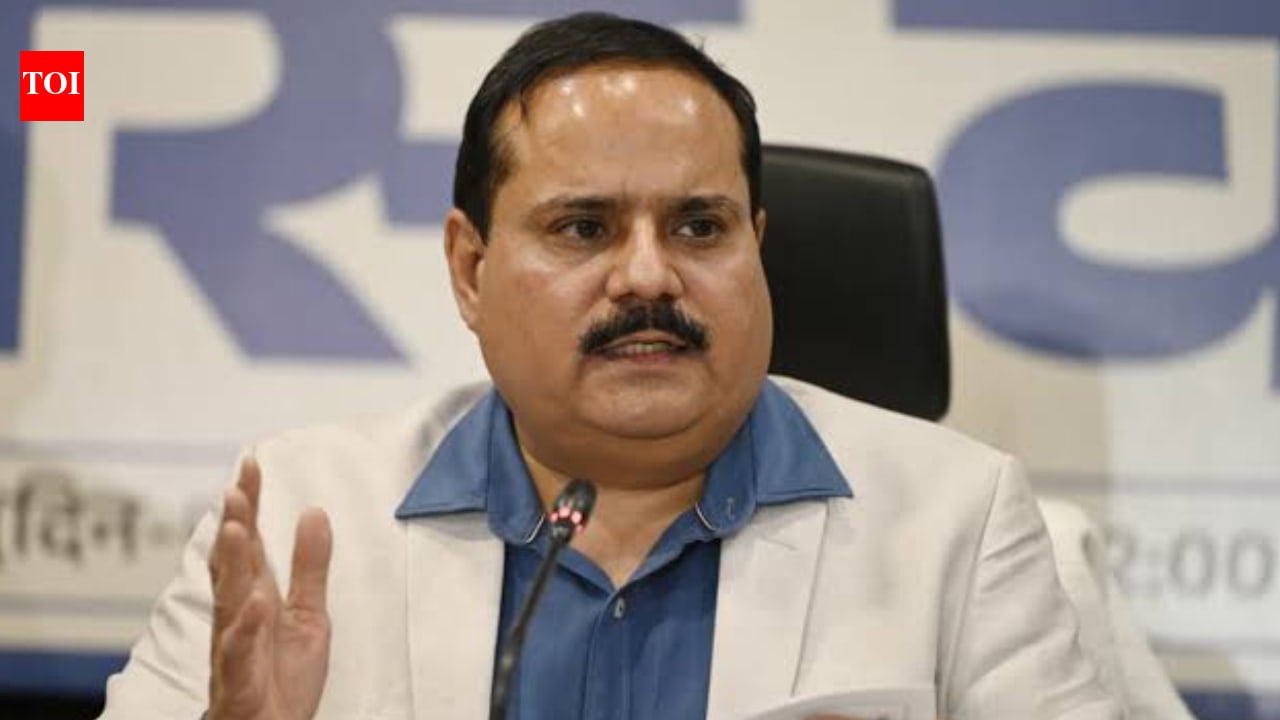
Uttar Pradesh CEO Navdeep Rinwa has issued a formal apology after his office posted a controversial, sarcastic response to AAP MP Sanjay Singh. The incident, which involved an insensitive remark regarding caste and religious minorities, has sparked significant outrage and calls for more professional conduct from the election body.
Controversy Erupts Over UP CEO's Social Media Conduct
In a significant breach of administrative decorum, the office of the Uttar Pradesh Chief Electoral Officer (CEO) recently found itself at the center of a political firestorm. Navdeep Rinwa, the UP CEO, was compelled to issue a formal apology following a series of highly controversial social media posts originating from his office's official handle. The incident was triggered by a sarcastic and inflammatory response directed at Aam Aadmi Party (AAP) MP Sanjay Singh, who had raised concerns regarding alleged caste bias in the issuance of voter slips.
The Nature of the Inflammatory Remarks
The core of the controversy lies in the specific language used by the official handle, which included a remark stating, "thank God Ram didn't hit any minority." This statement, widely perceived as both sarcastic and deeply insensitive, appeared to dismiss serious allegations of systemic bias within the electoral process. By invoking religious rhetoric in a defensive posture against political criticism, the poll body inadvertently compromised its position of neutrality, which is the cornerstone of its constitutional mandate.
Accountability and Institutional Standards
Following the immediate public outcry and backlash from political observers, Navdeep Rinwa acknowledged that the tone and content of the posts were entirely inconsistent with the standards expected of an election management body. In his apology, Rinwa noted that the outrage had been duly registered and promised that future communications would adhere to a strictly formal and polite register. This incident underscores the delicate balance election officials must maintain when engaging with public discourse in the digital age.
Broader Implications for Electoral Neutrality
The incident highlights a growing tension between the need for rapid communication on social media platforms and the necessity of maintaining institutional impartiality. For an office tasked with the oversight of democratic processes, any perception of bias—whether through policy or public rhetoric—can undermine public trust in the electoral machinery. By engaging in a partisan-style debate, the office risked alienating segments of the electorate, potentially fueling broader distrust in the integrity of voter registration systems.
Historical Context and Future Precedents
Historically, election commissions in India have been viewed as sacrosanct, maintaining a distance from active political bickering. The transition toward active social media engagement has, however, blurred these lines. This event serves as a cautionary tale for government offices regarding the risks of "personalizing" institutional accounts. Moving forward, it is expected that stricter protocols will be implemented to ensure that digital communication remains objective, factual, and strictly devoid of the inflammatory rhetoric that characterized this unfortunate episode.