"Secretly Happy With Our Win": Akhilesh Yadav On Minister's MLC Poll Remark
Source Entity
NDTV News Search Records Found 1000
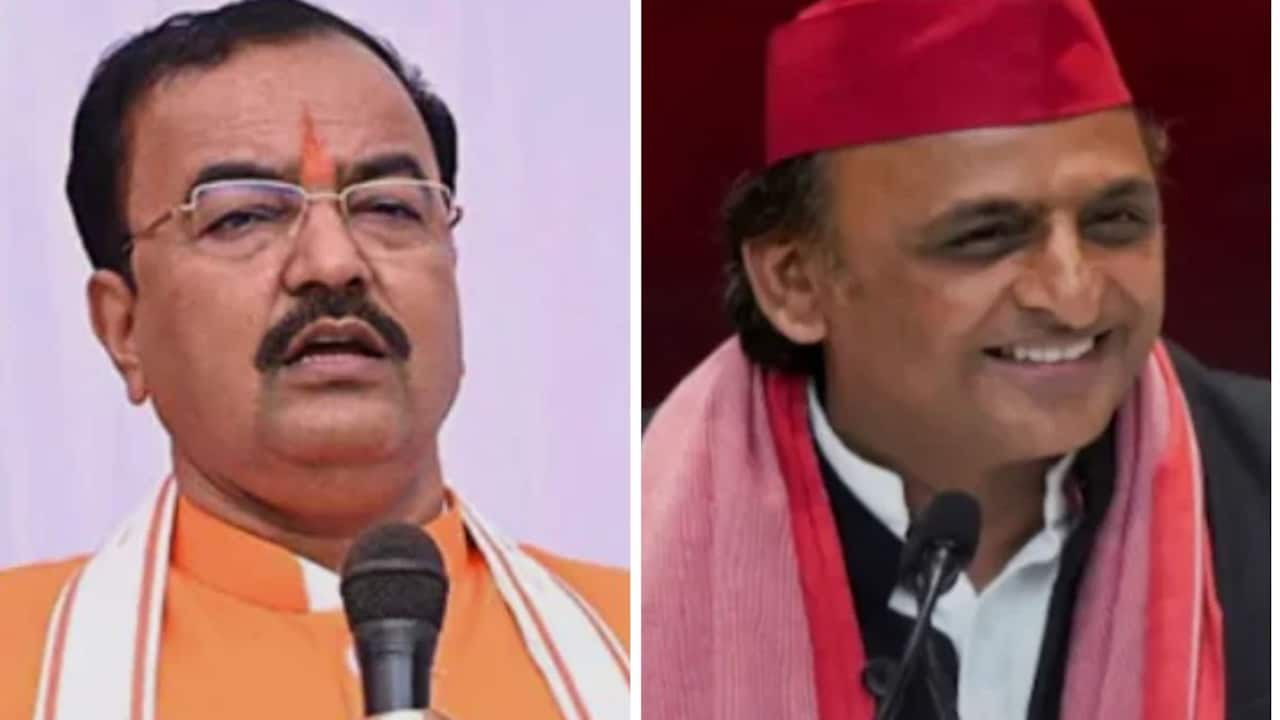
The BJP has retained key seats in the Uttar Pradesh Legislative Council polls, while the Samajwadi Party secured significant wins in Varanasi and Agra. Tensions at counting centers and cautious post-victory directives from Akhilesh Yadav highlight the high stakes ahead of the upcoming Assembly elections.
Analysis of the Uttar Pradesh Legislative Council Election Results
Overview of the Electoral Landscape
The recent Uttar Pradesh Legislative Council elections for 11 graduate and teachers’ constituency seats have provided a critical barometer for the political climate in India's most populous state. With the Bharatiya Janata Party (BJP) retaining key strongholds such as the Meerut graduates’ and teachers’ seats and the Bareilly-Moradabad division teachers’ seat, the ruling party has demonstrated sustained organizational strength. Conversely, the Samajwadi Party (SP) has managed to secure notable victories in the Varanasi and Agra divisions, signaling a competitive resurgence in regions traditionally viewed as politically significant.
The Strategic Importance of Council Seats
Legislative Council elections in Uttar Pradesh are often viewed as a precursor to broader state-level sentiment. By securing victories in the Varanasi Teachers' constituency—a region of profound symbolic importance—the Samajwadi Party has effectively challenged the BJP's dominance. The retention of the Meerut seats by BJP candidates Dinesh Kumar Goyal and Shrichand Sharma, alongside Dr. Hari Singh Dhillon’s win in Bareilly-Moradabad, reinforces the BJP’s grip on its existing legislative base, ensuring continuity in their policy agenda within the upper house.
Tensions and Electoral Integrity
The counting process was not without friction. Reports of tensions at counting centers, including allegations of physical altercations and electoral malpractice, underscore the intense polarization surrounding these polls. The claim by SP’s Akash Agarwal regarding alleged aggression from BJP supporters points to a high-stakes environment where every seat is treated as a litmus test for the upcoming Assembly elections. These localized conflicts reflect a broader trend of heightened political anxiety as parties jockey for regional influence.
Leadership Directives and Political Caution
Following the results, Samajwadi Party Chief Akhilesh Yadav issued a strategic directive to his party workers, explicitly warning against holding celebratory rallies. This move serves two purposes: it aims to prevent the BJP from capitalizing on any potential public disruption to tarnish the SP’s image, and it shifts the party's outreach strategy toward digital platforms. By emphasizing a "no rally" policy, Yadav is attempting to maintain a disciplined narrative, ensuring that the momentum gained from these wins is not undermined by optics that could be exploited by political rivals.
Future Implications and Trends
As the state looks toward the upcoming Assembly polls, the results from these 11 seats suggest a landscape that remains deeply contested. The BJP’s ability to retain its core seats demonstrates that their grassroots machinery remains robust. Meanwhile, the SP’s success in urban and educational constituencies suggests that the party is successfully diversifying its appeal beyond its traditional vote banks. Moving forward, the focus will likely remain on how these parties balance aggressive campaigning with the need to maintain public order and control the narrative in an increasingly digital political arena.
Multiple Citing Sources
Verification Required?