Netanyahu's "Poll Stolen" Charge At Arab Parties Amid Fractured Mandate
Source Entity
NDTV News Search Records Found 1000
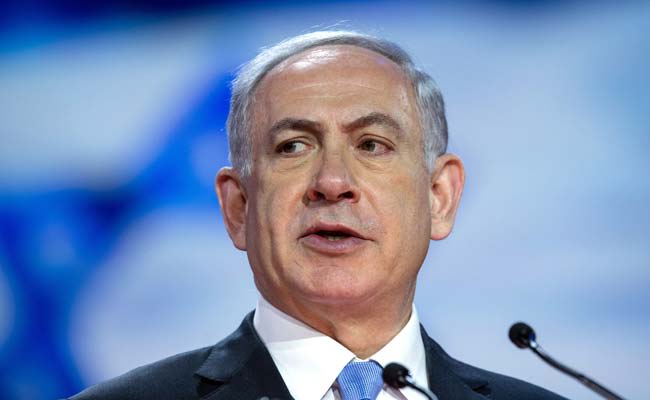
Israel faces a pivotal election on October 27, pitting incumbent Benjamin Netanyahu against former army chief Gadi Eisenkot. The contest centers on national security failures following the October 7 Hamas attack and potential shifts in Israeli political leadership.
The Crossroads of Israeli Governance
Israel is approaching a defining political moment on October 27, an election that serves as an existential test for Prime Minister Benjamin Netanyahu. After years of dominating the Israeli political landscape, Netanyahu finds his tenure under unprecedented scrutiny. The upcoming vote is not merely a contest between parties, but a referendum on the efficacy of his long-standing "Mr. Security" persona, which has been severely compromised by recent regional instability.
The Shadow of October 7
The central factor in this election is the catastrophic Hamas attack on October 7, 2023. For decades, Netanyahu’s electoral success has been rooted in his perceived ability to safeguard Israel from existential threats. However, the security lapses surrounding that date have fundamentally altered the public narrative. The subsequent conflicts, including intense confrontations with Hezbollah in Lebanon and broad-scale military responses, have forced voters to re-evaluate the government's accountability and its capacity to manage national defense effectively.
The Rise of Gadi Eisenkot
Emerging as the primary challenger is Gadi Eisenkot, the 66-year-old former chief of staff of the Israeli army. Eisenkot’s trajectory has been remarkable; having polled in single digits just a year ago, he now leads the Yashar party, which current projections place at 20 to 23 seats in the 120-member Knesset. As a former military leader who served under Netanyahu from 2015 to 2019, Eisenkot provides a stark contrast to the incumbent, representing a shift toward a candidate with deep operational experience who is not tied to the current administration's failures.
Implications of a Mizrahi Leadership
If successful, Eisenkot would make history as Israel's first Mizrahi prime minister. Born to Moroccan immigrants, his rise reflects potential shifts in the socio-political demographics of Israel. His candidacy has galvanized voters who are looking for a break from the status quo, yet the electoral math remains complex. Despite his surge, polling data suggests that neither the Netanyahu-led bloc nor the anti-Netanyahu coalition is currently on track to secure the 61-seat majority required to form a stable government.
The Challenge of Coalition Building
In the Israeli parliamentary system, winning the most seats does not automatically grant the mandate to govern. The current political environment is characterized by deep fragmentation. With neither side showing a clear path to a majority, the post-election period will likely be defined by intense coalition negotiations. This uncertainty underscores the volatility of the current environment, where the outcome of the October 27 vote could lead to either a continuation of Netanyahu's policies or a radical realignment of the nation's leadership trajectory.
Multiple Citing Sources
Verification Required?