UPSC Mains Answer Practice — GS 3: Ecologically Sensitive Areas and India’s foreign exchange resilience (Week 165)
Source Entity
Nitendra Pal Singh
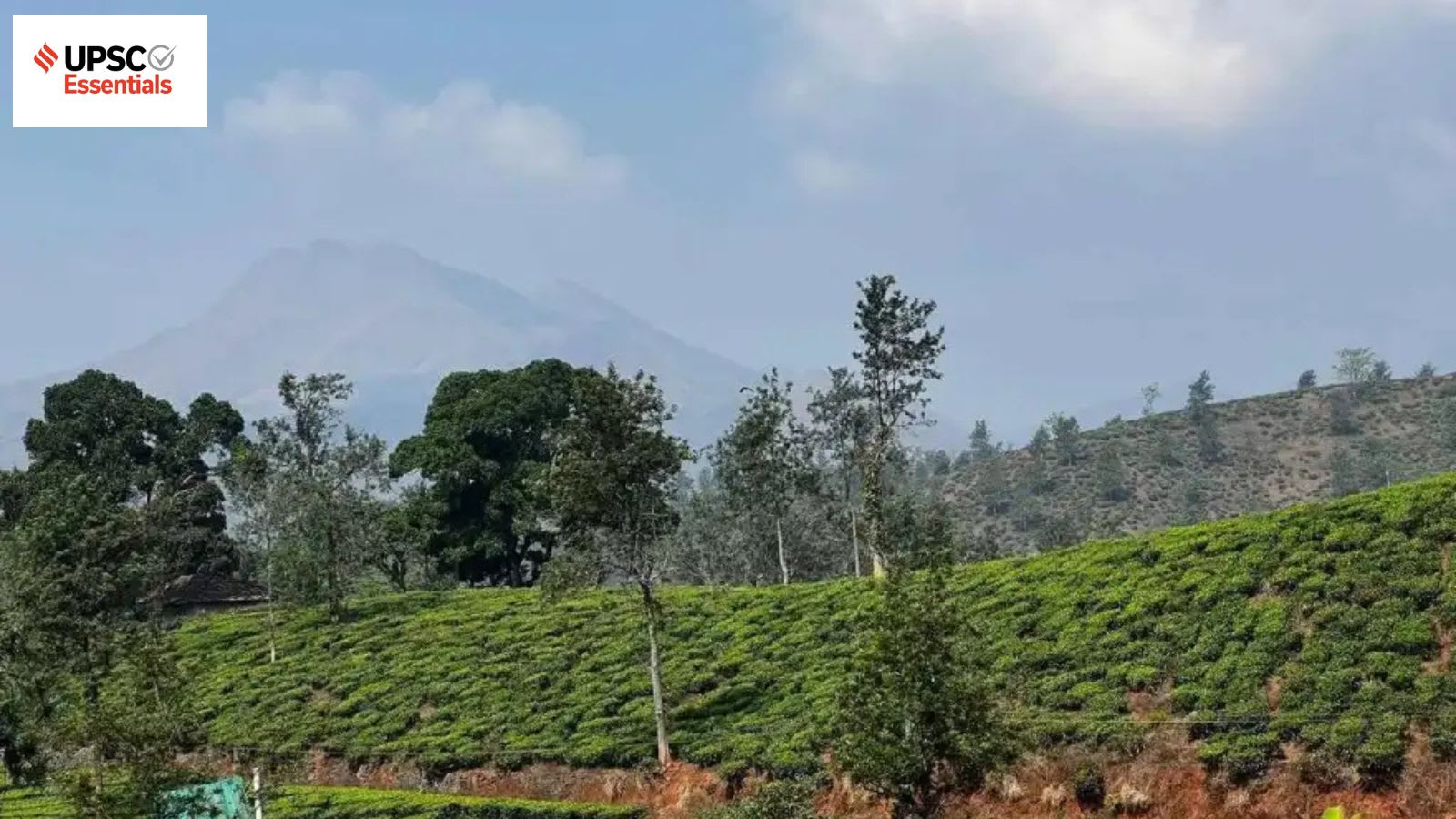
The Indian Express continues its UPSC Essentials series, offering practice questions for GS-3 on ecologically sensitive areas and a Polity quiz for Prelims 2027. These resources aim to assist civil services aspirants in mastering both static and dynamic syllabus topics.
Enhancing UPSC Preparation through Structured Practice
The Indian Express has rolled out its latest installment of the 'UPSC Essentials' initiative, focusing on equipping civil services aspirants with high-quality practice materials for both the Mains and Prelims examinations. By integrating current affairs with static syllabus topics, these resources serve as a critical bridge between academic theory and the analytical demands of the UPSC Civil Services Examination (CSE).
Analyzing GS-3: Ecology and Economic Development
The Week 165 focus on General Studies Paper 3 (GS-3) centers on the complex tension between environmental conservation and economic growth. Specifically, the prompt regarding the Western Ghats highlights the necessity for candidates to evaluate the challenges of preserving a global biodiversity hotspot while managing the infrastructure and livelihood requirements of local populations. This topic forces students to engage with the concept of sustainable development, a cornerstone of modern Indian policy.
The Role of Polity in Prelims 2027
Transitioning to the Prelims preparation, the Week 173 quiz targets Polity and Governance, covering nuances like the right to protest and the functionality of Fast Track Courts. The provided sample questions require a deep understanding of constitutional articles—such as Article 14—and the institutional history of judicial reforms, including recommendations from the tenth Finance Commission. This underscores the importance of a granular grasp of legal frameworks for aspirants.
Integrating Static and Dynamic Knowledge
The design of these initiatives reflects the evolving nature of the UPSC exam, which increasingly demands that candidates synthesize legal history with contemporary administrative challenges. By offering both descriptive answer-writing prompts and objective-based MCQs, the initiative ensures that students develop both the critical thinking skills required for the Mains and the factual precision needed for the Prelims.
Bridging the Gap for Future Bureaucrats
These resources are not merely practice sets; they act as a value addition to a candidate's study routine. By encouraging interaction through feedback loops—such as email communication with the editorial team—the platform fosters an active learning environment. This approach is essential for aspirants attempting to navigate the vast, multi-disciplinary syllabus of the civil services.
Concluding Perspectives on Exam Readiness
Ultimately, the consistency of these weekly updates provides a reliable roadmap for long-term preparation. Whether analyzing the ecological fragility of the Western Ghats or the legislative grounding of special judicial bodies, these exercises prepare candidates to approach the UPSC examination with a comprehensive, multi-dimensional perspective necessary for future administrative success.
Multiple Citing Sources