Canada poised to retaliate against Trump tariffs: 'We're not waiting by the phone'
Source Entity
US Top News and Analysis
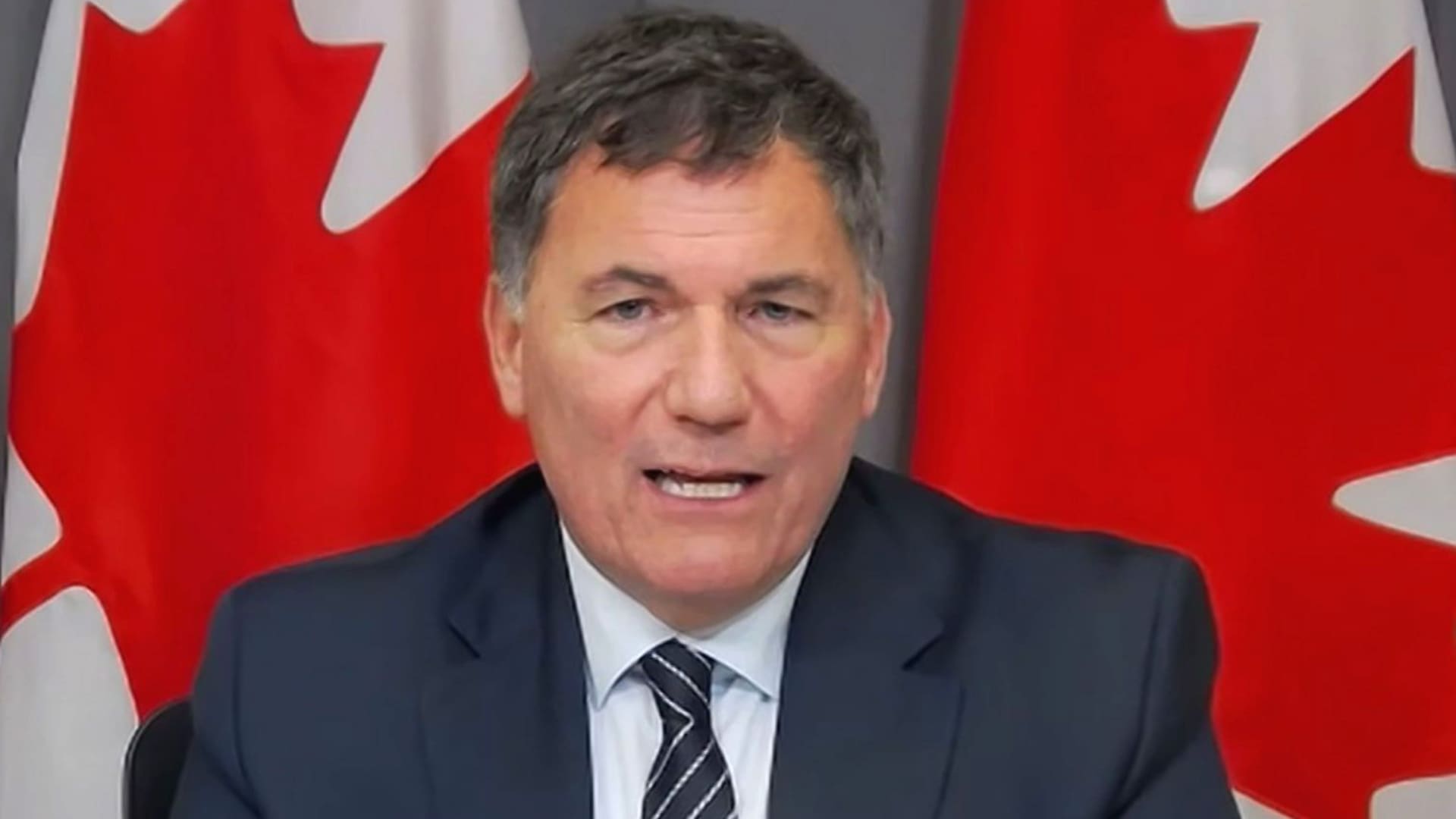
Tensions have escalated between the U.S. and Canada following a breakdown in trade talks and the imposition of 50% tariffs on various Canadian goods. While Canada prepares retaliatory measures, both nations remain tethered by a critical, interdependent energy sector that has notably been excluded from the current tariff scope.
The North American Trade Crisis: A Strategic Standoff
The recent breakdown in trade negotiations between the United States and Canada has triggered an immediate shift toward protectionist policies, marked by Washington’s decision to impose a 50% tariff on a broad spectrum of Canadian imports, including furniture, dairy, electrical products, and plywood. This escalation follows failed attempts to secure a mutually beneficial framework, leaving the two nations in a state of diplomatic and economic friction that threatens to upend decades of integrated trade relations.
The Strategic Omission of Crude Oil
Despite the aggressive nature of the new tariffs, Washington has conspicuously excluded crude oil from the list of taxed goods. This strategic omission underscores the profound interdependence of the North American energy sector. With 90% of Canadian crude exports—valued at approximately CA$126 billion—destined for the U.S. market, and Canada providing 63% of total U.S. crude imports, the two countries are locked in a symbiotic energy relationship. To tax this commodity would likely inflict as much economic pain on American refineries and consumers as it would on Canadian producers, highlighting the limits of the current trade offensive.
Political Posturing and the 'Right Attitude'
Canadian Prime Minister Mark Carney has framed the path forward through a lens of conditional diplomacy, asserting that while Ottawa remains open to a deal, Washington must adopt the 'right attitude.' This rhetoric follows threats from President Donald Trump targeting Canadian vehicles, auto parts, and steel. The discourse suggests that the conflict is not merely about trade volumes but is deeply rooted in the political expectations of both administrations, with Prime Minister Carney attempting to maintain a position of strength while signaling a willingness to negotiate.
Retaliation and the End of Passive Diplomacy
Moving beyond verbal sparring, the Canadian government has signaled a transition to a more confrontational approach. Trade Minister Dominic LeBlanc confirmed that Canada is prepared to unveil its own retaliatory tariffs on U.S. goods. By stating that Canada is 'not waiting by the phone,' the administration is attempting to project sovereignty and a refusal to be passive in the face of U.S. economic pressure. This move marks a significant departure from previous diplomatic norms in North American trade relations.
Broader Economic Implications and Future Trends
The current impasse suggests a volatile period ahead for North American supply chains. The 50% tariffs on manufactured goods will likely disrupt cross-border production lines, particularly in sectors like automotive and construction. Furthermore, the reliance on retaliatory measures risks a cycle of escalation that could dampen economic growth in both nations. As Canada prepares its response, the core question remains whether the energy sector can continue to act as a stabilizing anchor, or if political pressure will eventually force a broadening of the trade war to include the critical crude oil supply chain. Future trends will likely depend on whether both leaderships can find a face-saving exit that prioritizes economic stability over nationalist trade policies.
Multiple Citing Sources