The U.S. Is Trampling Allies in the Global Hunt for Rare Earths
Source Entity
Latest News: Today's Latest News Headlines from India & World | Hindustan Times | Hindustan Times
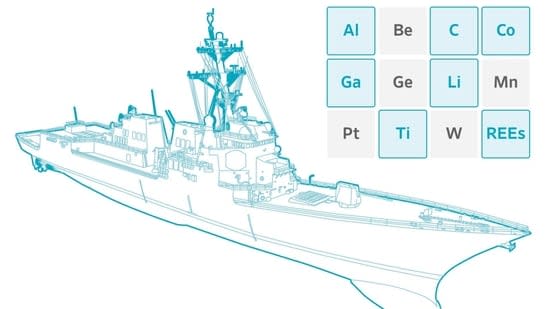
The U.S. is aggressively outspending European allies to secure critical minerals, aiming to break China's dominance over the supply chain. This competition has sparked fears in Europe that U.S. protectionism could leave them vulnerable to Chinese restrictions while they attempt to rearm against Russia.
The Geopolitical Struggle for Critical Mineral Sovereignty
The global race to secure critical minerals has evolved into a high-stakes competition not only between East and West but also among Western allies. As the United States and European nations strive to loosen Beijing's strategic grip on the rare earth materials essential for modern warfare, a significant rift has emerged. While the goal of reducing dependence on China is shared, the methods and financial capabilities of the U.S. are creating an environment where European allies feel sidelined in their own pursuit of security.
The U.S. Strategy: Financial Dominance and Defense Readiness
The United States has embarked on what can only be described as a global shopping spree, utilizing its immense financial leverage to secure the minerals necessary for high-tech weaponry. By deploying a suite of economic tools—including grants, loans, and aggressive tax breaks—the U.S. is effectively pricing out competitors to ensure a steady supply of materials for jet fighters, tanks, and cutting-edge ammunition. This strategy is designed to insulate the U.S. defense industrial base from the volatility of Chinese exports, prioritizing national security through economic dominance.
Europe's Vulnerability Amid Russian Aggression
For Europe, the hunt for these same critical minerals is not merely a matter of economic policy but a matter of urgent survival. In the wake of escalating Russian aggression, European nations are under immense pressure to rearm and modernize their military capabilities. However, they find themselves competing for the same limited resources as the U.S. The disparity in spending power means that Europe's efforts to build a resilient, China-independent supply chain are hitting a significant snag: the deep pockets of their primary ally.
The Specter of Protectionism and Political Risk
A central point of anxiety for European leaders is the potential for a shift in U.S. political leadership. There are growing fears that an increasingly protectionist administration, specifically one led by Donald Trump, would prioritize American hoarding of critical minerals over collective allied security. If the U.S. moves toward a policy of resource nationalism, Europe risks being left in a precarious position—unable to secure materials from the U.S. and remaining dangerously dependent on China, which could use its restrictions as a geopolitical weapon.
Breaking Beijing's Strategic Grip
The overarching driver of this conflict is the desire to neutralize China's current dominance over rare earth elements. Beijing has long used its control over these materials to exert influence and create vulnerabilities in the supply chains of other nations. While the U.S. and Europe both recognize that this dependence is a strategic liability, the current competitive dynamic suggests that the transition away from China is being handled as a zero-sum game rather than a coordinated allied effort.
Conclusion: The Cost of Uncoordinated Competition
In summary, the pursuit of mineral security has highlighted a tension between the shared goal of countering China and the individual drive for national resource security. While the U.S. successfully utilizes its economic might to safeguard its defense needs, it does so at the risk of alienating European allies who are equally desperate to rearm against Russian threats. Unless a more collaborative framework is established, the very effort to escape China's influence may inadvertently leave Europe more vulnerable and the Western alliance more fragmented.
Verification Required?