As Trump Warns Of 'Economic D-Day,' A Look At Iran's Main Trading Partners
Source Entity
NDTV News Search Records Found 1000
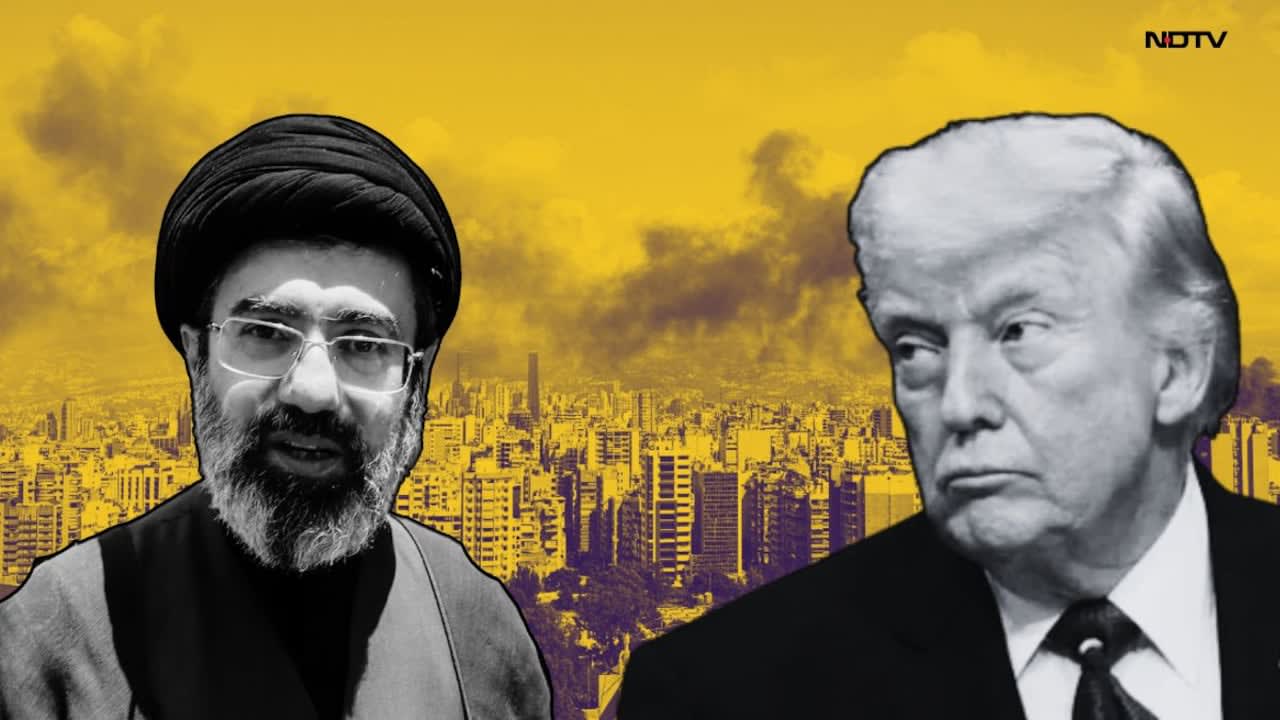
The US has launched a sweeping new package of sanctions against Iran, labeled an 'economic D-Day' by Treasury Secretary Scott Bessent. The strategy aims to pressure Tehran by targeting its key financial partners, most notably China, though Iranian officials remain defiant.
The Strategic Gamble: Analyzing the US 'Economic D-Day' Against Iran
A New Escalation in Financial Warfare
Treasury Secretary Scott Bessent has initiated what the administration describes as an 'economic D-Day' against Iran, marking a significant escalation in the use of financial statecraft. By unveiling a broad array of new sanctions targeting entities, individuals, and vessels, the United States is signaling a move to intensify the isolation of the Iranian economy. The scope of these measures is expansive, covering critical sectors such as aviation, shipping, gold, technology, and, notably, digital assets, which have increasingly become a conduit for circumventing traditional financial restrictions.
The China Factor: The Geopolitical Tightrope
At the heart of this strategy lies the confrontational approach toward Iran’s primary trading partner: China. The United States has made it clear that any nation—including global powers—that continues to facilitate financial partnerships with Tehran will face isolation. This puts the U.S. in a precarious position, as the success of this 'economic onslaught' hinges entirely on the willingness of Washington to impose meaningful costs on Chinese entities. The outcome of this policy will likely dictate the future of U.S.-China economic relations, as the administration attempts to force a choice between access to the American financial system and trade with Iran.
Tehran’s Calculated Defiance
Despite the dramatic rhetoric emanating from Washington, the Iranian leadership has adopted a posture of dismissive resilience. Economy Minister Ali Madanizadeh characterized the announcement as 'the same old talk,' signaling that Tehran’s regime has anticipated these measures and developed internal mechanisms to mitigate their impact. Having survived decades of various international restrictions, Iranian officials appear to be banking on their historical ability to adapt to sanctions, raising the question of whether traditional economic pressure remains an effective tool against an entrenched regime.
The Limits of Financial Coercion
This situation highlights a fundamental dilemma in modern foreign policy: the diminishing returns of unilateral sanctions. While the U.S. Treasury possesses immense power to disrupt global financial flows, the 'economic D-Day' approach relies on the assumption that the threat of isolation is sufficient to compel policy changes in Tehran. If Iran’s leadership continues to ignore these measures, the U.S. will be forced to decide whether to escalate further—potentially risking a broader trade conflict—or to accept the limitations of its current leverage.
Future Implications and Global Trends
Looking ahead, this development suggests a trend toward increasingly fragmented global trade networks. As the U.S. tightens its grip on financial conduits, nations targeted by such policies are likely to accelerate their efforts to develop alternative payment systems and reliance on non-dollar-denominated trade. The success or failure of this 'economic D-Day' will serve as a benchmark for how modern superpowers utilize economic warfare in an era where global supply chains are deeply interconnected, ultimately testing the durability of U.S. financial hegemony in the face of persistent geopolitical rivalry.
Multiple Citing Sources
Verification Required?