'The necktie is dead': How US midterm candidates are dressing for votes
Source Entity
BBC News
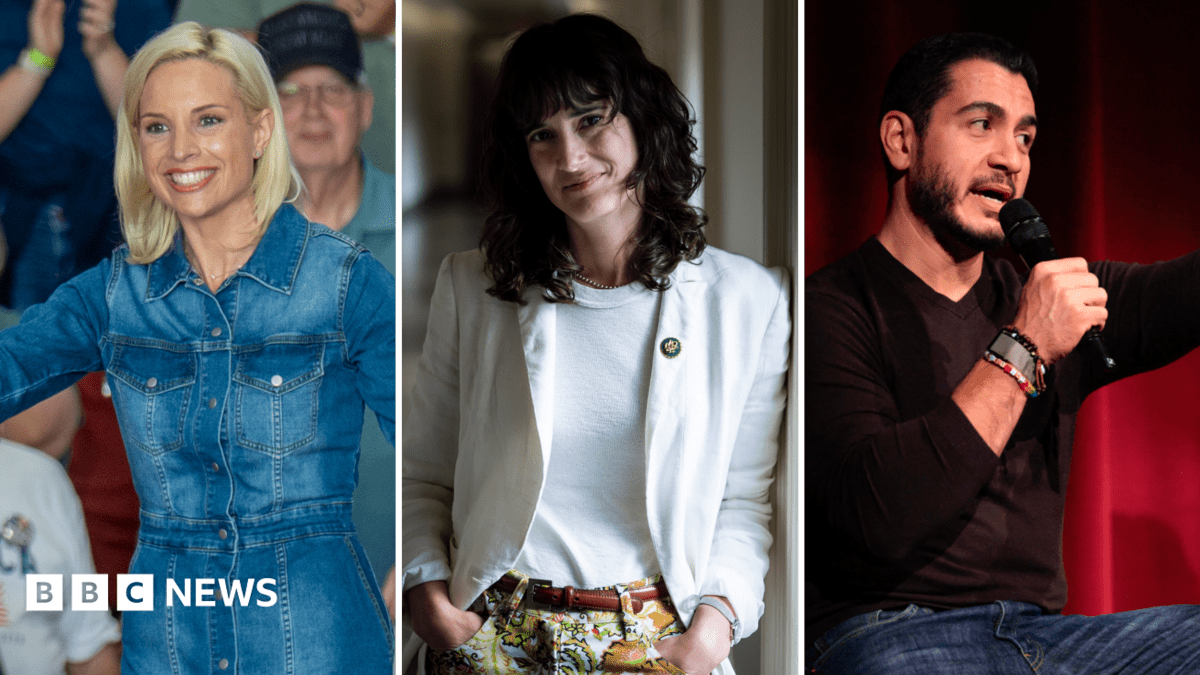
US midterm candidates are strategically using personal style as a tool to project authenticity and connect with voters. This shift away from traditional formal attire marks a broader evolution in political campaigning during the social media age.
The Strategic Evolution of Political Fashion
As the United States midterm elections approach, the political landscape is witnessing a distinct shift in how candidates present themselves to the electorate. No longer confined to the traditional suit-and-tie aesthetic that defined 20th-century politics, modern candidates are increasingly leveraging personal style as a core component of their campaign strategy. This pivot represents a deliberate effort to navigate the complexities of modern voter perception, where visual cues are processed nearly as quickly as policy platforms.
The Authenticity Paradox
The central challenge for contemporary politicians is the 'authenticity paradox.' As noted by celebrity fashion stylist Joe Zee, candidates are effectively auditioning for two roles simultaneously: they must project the gravitas and professional capability required for high office, while simultaneously maintaining a relatable, grounded appearance that resonates with the daily lives of their constituents. This balancing act has transformed the campaign trail into a curated runway where every sartorial choice—from the presence or absence of a necktie to the selection of footwear—is scrutinized for its symbolic value.
Digital-First Branding
In the current social media era, visual communication has become paramount. Platforms like Instagram and TikTok demand imagery that cuts through the noise of traditional media, and a candidate's clothing serves as an immediate, non-verbal indicator of their identity. By eschewing rigid formality, candidates from diverse regions—ranging from Alaska to Texas—are using their attire to signal their alignment with local cultures and values. This localized branding is essential for creating a sense of proximity to the voter, effectively shortening the psychological distance between the representative and the represented.
The Decline of the 'Uniform'
The proclamation that 'the necktie is dead' in the context of midterm campaigning highlights a broader cultural move toward casualization. Historically, the suit served as a standardizing uniform that emphasized neutrality and institutional authority. Today, that same uniformity can be perceived as an indicator of being 'out of touch' or 'elitist.' By relaxing their dress codes, candidates are actively dismantling the barriers of the political establishment, attempting to foster a more direct, human connection with the public.
Future Implications for Campaigns
Looking ahead, it is highly probable that the integration of personal branding and fashion will become even more sophisticated. As political consultants place greater emphasis on visual storytelling, we can expect to see data-driven approaches to campaign aesthetics. The future of political messaging will likely rely on a hybrid of policy-heavy discourse and highly targeted visual cues, ensuring that a candidate’s appearance remains as carefully managed as their television advertisements or stump speeches. Ultimately, clothing has transitioned from a background element to a front-and-center tool of modern political persuasion.