Your guide to US midterm elections 2026, from who is on the ballot to how votes are counted
Source Entity
Latest News: Todays Latest News Headlines from India & World | Hindustan Times
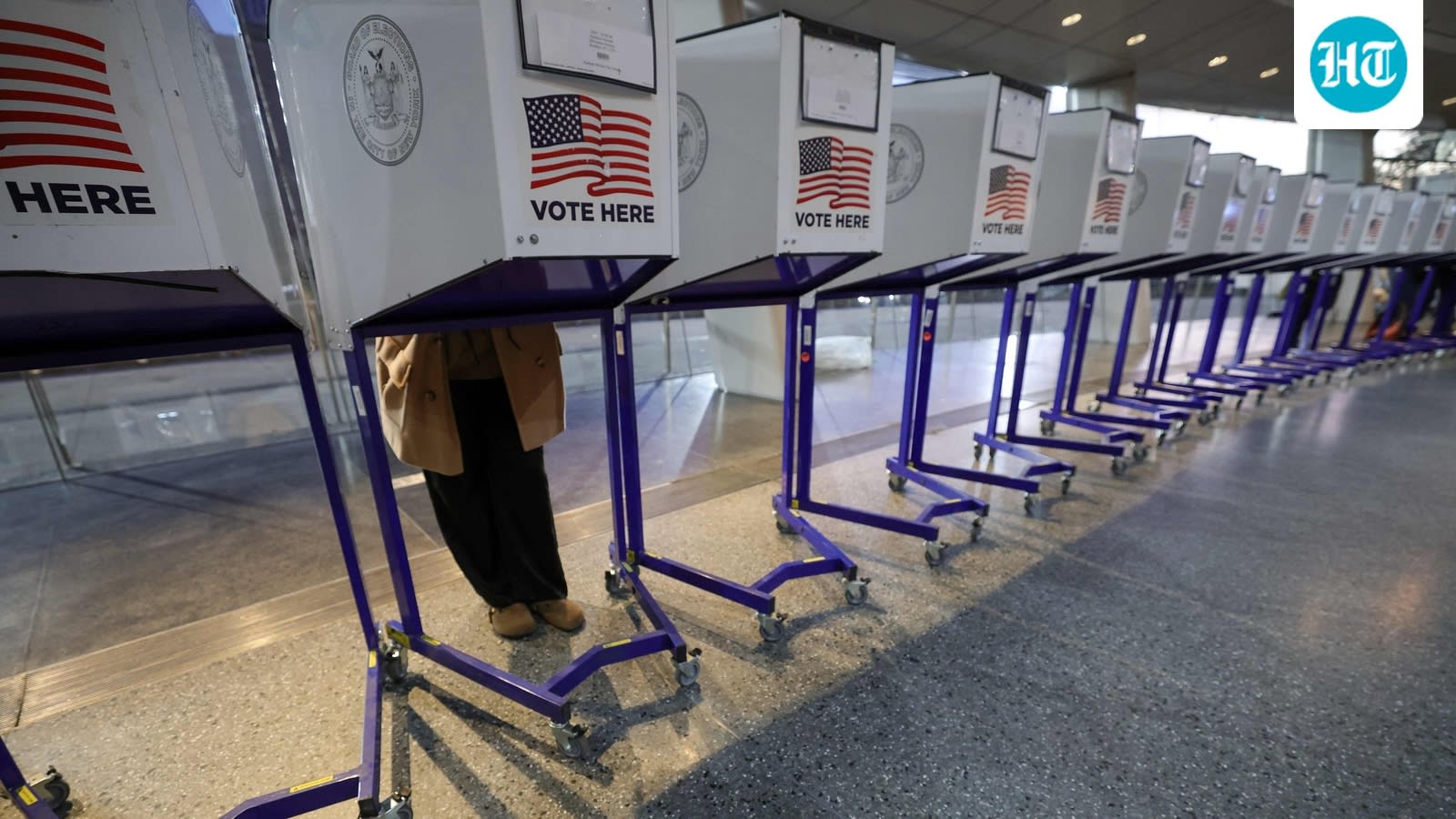
The 2026 US midterm elections on November 3 will determine the legislative control of Congress during the final two years of President Donald Trump’s second term. Voters are focusing on key issues like inflation, immigration, and technology-related concerns as they decide the future of both federal and state-level offices.
The 2026 US Midterm Elections: A Critical Turning Point
On November 3, 2026, the United States will hold its midterm elections, a pivotal event occurring halfway through President Donald Trump’s second term. These elections serve as a crucial referendum on his administration, determining the legislative landscape for the final two years of his presidency. With Republicans currently holding majorities in both the House of Representatives and the Senate, the outcome of these races will either consolidate the current administration's power or provide a significant check through a shift in congressional control.
The Stakes for Congress and Local Governance
The electoral map is extensive, featuring all 435 seats in the House of Representatives and 35 Senate seats, including special elections in Florida and Ohio. Beyond federal legislative control, the implications reach into the states, with voters deciding on 36 governorships and thousands of local offices. This broad scope ensures that the results will fundamentally reshape the balance of power, influencing policy implementation at every level of the American government.
Core Issues Defining the Voter Sentiment
While the national narrative is heavily influenced by administration performance, the 2026 midterms are deeply rooted in everyday concerns. Affordability and inflation remain primary drivers for the electorate, alongside intense debates surrounding immigration policy. These factors are expected to dictate voter turnout and party preference, as citizens weigh the economic impacts of current policies against their expectations for the remainder of the presidential term.
The Intersection of Technology and Policy
Beyond traditional political issues, this election cycle highlights growing public anxiety regarding the technology sector. Voters are increasingly focused on the environmental and economic costs of data centers, the rapid expansion of surveillance technology like Flock, and the ongoing debate over AI safety. In regions like California, these concerns have manifested in high-stakes ballot measures regarding the taxation of billionaire wealth, prompting significant financial involvement from tech stakeholders and shaping regional electoral strategies.
Predicting the Future and Managing Expectations
As the nation heads to the polls, the focus shifts to the mechanics of the democratic process. Election results, determined by state officials, may face delays or potential contests in closely fought races. Voters are encouraged to utilize official resources such as the US Election Assistance Commission (EAC), USA.gov, and the Federal Election Commission (FEC) to track accurate, verified outcomes. The results of these elections will not only define the immediate legislative agenda but will also serve as a bellwether for the shifting priorities of the electorate leading into the 2028 presidential cycle.
Verification Required?