US midterms 2026: Could a Trump defeat in Congress alter the Iran war?
Source Entity
PRISHA PATNAIK
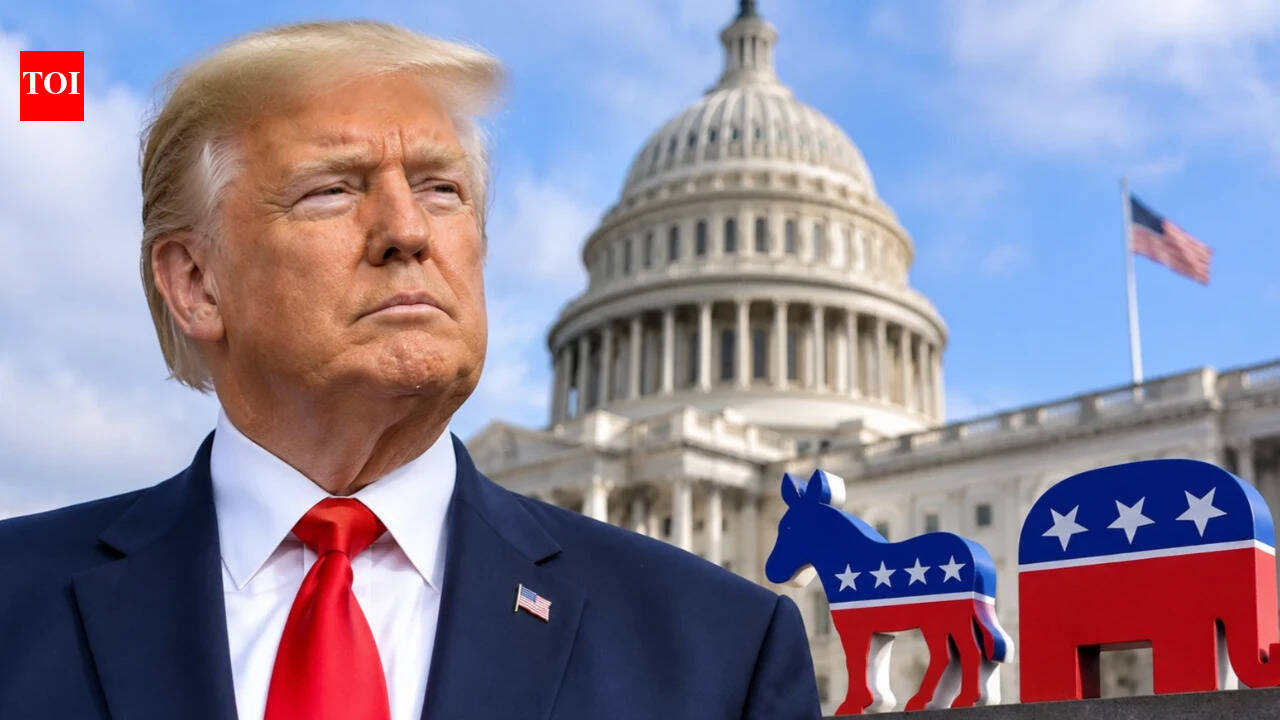
The 2026 US midterm elections will determine control of Congress for the final two years of President Donald Trump's term. Voters are weighing the GOP's agenda against concerns over the cost of living and foreign policy, potentially shifting the balance of power.
The 2026 Midterm Landscape: A Litmus Test for the Trump Presidency
As the United States approaches the 2026 midterm elections on Tuesday, November 3, the political atmosphere is charged with anticipation. These elections serve as a critical juncture, representing the first nationwide assessment of President Donald Trump’s current term. With all 435 seats in the House of Representatives, 35 Senate seats, and 36 governorships up for grabs, the results will decide whether the Republican party retains its legislative grip or if the Democratic party can claw back control of one or both chambers of Congress.
A Shifting Battleground Map
The strategic map for these midterms differs significantly from the 2024 presidential election. A primary example is the divergence seen in states like Maine and Michigan. Maine, which favored the Democratic Party in the 2024 presidential cycle, is currently witnessing a high-stakes battle as a Republican senator seeks re-election. Conversely, Michigan—a state that supported Donald Trump in 2024—is now hosting hyper-competitive races for its Senate seat, governorship, and several House districts. This geographic complexity highlights how local issues and specific candidate profiles often override broader national trends in midterm cycles.
The Core Issues Driving Voter Sentiment
At the heart of the 2026 contest is the "Make America Great Again" (MAGA) narrative championed by the GOP, which is being tested against growing public frustration. Voters are grappling with significant economic pressures, particularly the rising cost of living, which remains a dominant concern at the ballot box. Additionally, the geopolitical landscape, specifically the US-Israel war with Iran, has introduced complex foreign policy dimensions that could influence voter turnout and party loyalty in critical districts.
Implications for the 2028 Presidential Cycle
The outcome of these elections will do more than just shape the legislative agenda for the next two years; it will act as a bellwether for the 2028 presidential race. Both parties are closely watching these results to understand which policy platforms and rhetorical strategies resonate most effectively with the American electorate. The results will likely force a re-evaluation of internal party messaging, as both Republicans and Democrats look to calibrate their approaches for the next major national election cycle.
Global Interest and Logistical Scope
The significance of these elections extends beyond US borders, as evidenced by the global attention to polling timelines. With the first polling stations in the US closing, international observers—including those in India—are tracking the results as they trickle in starting early Wednesday, November 4, IST. This global scrutiny underscores the interconnected nature of modern politics, where the legislative control of the US Congress holds profound implications for international relations, trade, and global stability.
Conclusion: Assessing the Balance of Power
As Americans head to the polls, the central question remains whether voters will choose to provide a check on the powers of the Republican president by empowering the opposition, or if the current administration will maintain its momentum. By the time the final votes are tallied, the nation will have a clear indication of its political trajectory for the final two years of President Trump’s term, setting the stage for a new era of governance and political maneuvering.
Multiple Citing Sources