US soldier killed at 17 in Korean War identified after 75 years, to be buried
Source Entity
TOI WORLD DESK
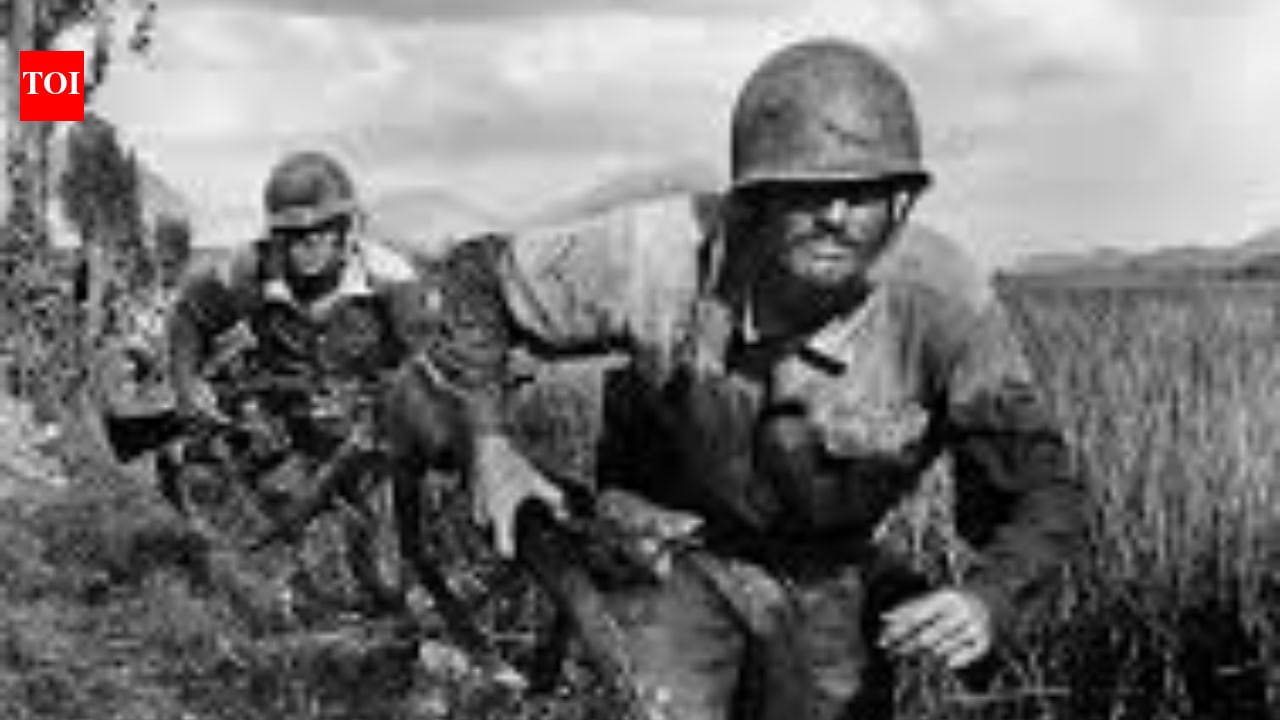
After 75 years, the remains of 17-year-old Korean War soldier Pvt. Joseph E. Boyd have been identified through forensic DNA analysis. He will be laid to rest in Maryland on October 21, 2026, marking a significant milestone in the ongoing mission to account for missing U.S. service members.
A Soldier Returns Home: The Identification of Pvt. Joseph E. Boyd
For more than seven decades, the family of Private Joseph E. Boyd lived with the uncertainty of a son lost to the brutal conditions of the Korean War. At the age of 17, Boyd, a native of Bear Creek, North Carolina, served with Company A, 1st Battalion, 9th Infantry Regiment, before disappearing in the chaos of conflict. His remains, long cataloged as "Unknown X-1642," stood as a silent testament to the thousands of service members who vanished during the Korean Peninsula's tumultuous mid-century struggle.
The Science of Restoration
The breakthrough in this long-standing cold case arrived through the rigorous application of modern forensic science. The U.S. Defense POW/MIA Accounting Agency (DPAA) utilized advanced DNA analysis and anthropological data to bridge the gap between the unidentified remains recovered years ago and the historical records of the war. By cross-referencing biological evidence with existing records, scientists were finally able to confirm the identity of the young soldier, transitioning his status from a nameless statistic to a recognized hero.
The Legacy of the Korean War
The Korean War, often referred to as the "Forgotten War," left a profound impact on military accountability practices. The sheer scale of missing personnel necessitated a long-term commitment by the U.S. government to ensure no soldier is left behind indefinitely. The recovery of Pvt. Boyd is part of a broader, systemic effort by the DPAA to provide closure to families who have waited generations for answers, proving that the passage of time does not diminish the nation’s obligation to its fallen.
A Dignified Conclusion
On October 21, 2026, the long journey of Pvt. Joseph E. Boyd will reach a final, respectful conclusion in Owings Mills, Maryland. This burial ceremony is not merely a funeral; it is a public acknowledgment of the sacrifice made by a 17-year-old who gave his life for his country. It serves as a reminder of the human cost of international conflict and the enduring resilience of the families who kept his memory alive for 75 years.
Future Implications and Trends
As forensic technology continues to advance, the DPAA is increasingly capable of identifying remains that were previously deemed unidentifiable. This incident highlights a positive trend in humanitarian efforts where technology serves as a tool for historical truth and reconciliation. Moving forward, the successful identification of soldiers like Pvt. Boyd will likely continue to drive investment in forensic research, ensuring that the promise of "never forgetting" remains a functional reality rather than just a sentiment.
Conclusion
The identification of Pvt. Joseph E. Boyd is a momentous achievement that underscores the dedication of those working to resolve the lingering mysteries of the Korean War. By restoring his name and identity, the DPAA has provided his family with the closure they have sought for over seven decades. This case reinforces the significance of archival and scientific collaboration in honoring the legacy of those who served.