Maldives begins planting coral on 2 submerged planes to build artificial reef
Source Entity
TOI SCIENCE DESK
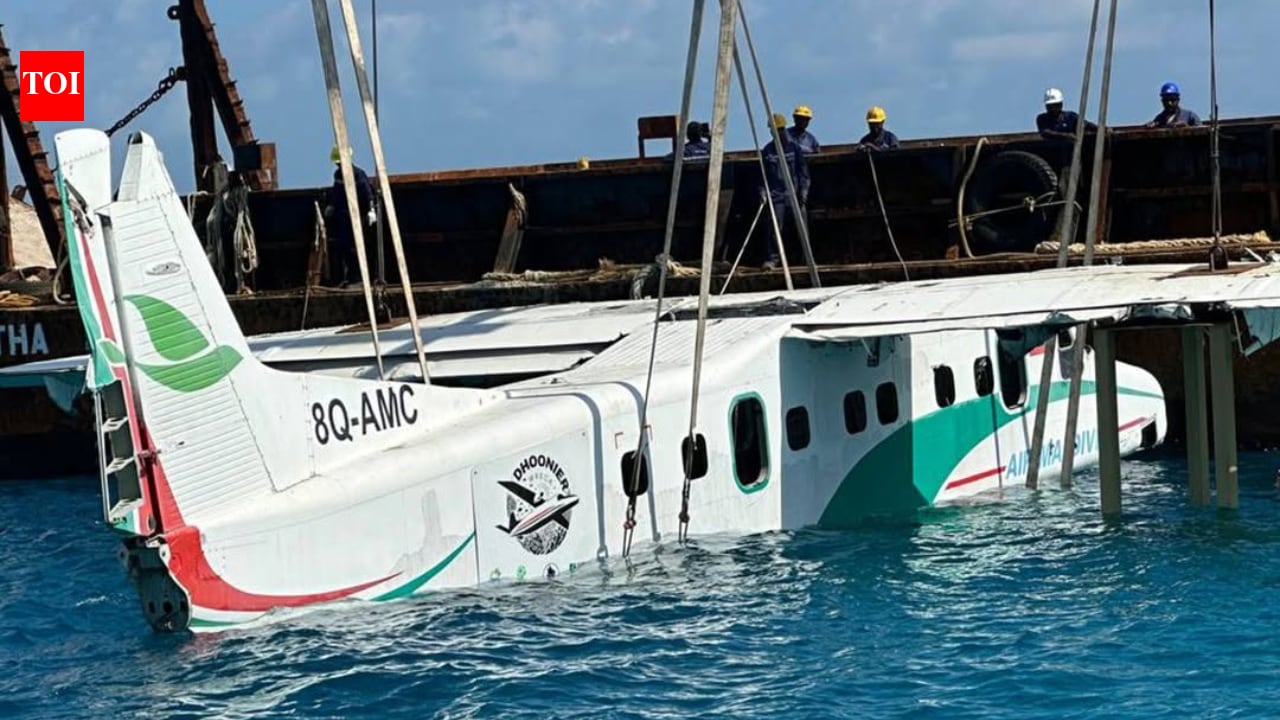
The Maldives is repurposing two decommissioned Dornier 228 aircraft as artificial reefs near Kudagiri Island. This project merges aviation history with marine conservation to boost tourism and foster coral growth.
A New Horizon Beneath the Waves: The Maldives' Innovative Reef Project
The Maldives, an archipelago nation uniquely vulnerable to rising sea levels and climate change, has launched an ambitious project to repurpose two decommissioned Dornier 228 aircraft. By submerging these vessels near Kudagiri Island, the nation is creating a dual-purpose site that serves as both a historical monument to its first national airline and a catalyst for marine biodiversity. This initiative represents a creative intersection of industrial legacy and environmental stewardship.
Engineering an Artificial Ecosystem
At the heart of this project is the deliberate transformation of static metal structures into living, breathing reefs. Conservation teams are utilizing specially designed underwater frames to attach coral fragments to the aircraft hulls. By providing a stable substrate, these structures allow coral polyps to anchor and grow, eventually forming a complex habitat that attracts fish, crustaceans, and other marine life. This methodology mimics the natural process of reef formation while accelerating the colonization of the site.
The Intersection of Tourism and Sustainability
Tourism is the lifeblood of the Maldivian economy, and this project serves as a strategic diversification effort. By creating a unique diving attraction, the Maldives aims to draw eco-conscious tourists who seek experiences that transcend traditional sightseeing. This model of 'conservation-led tourism' encourages visitors to engage directly with restoration efforts, fostering a deeper appreciation for the delicate marine ecosystems that define the archipelago.
Historical Preservation in the Deep
Beyond the ecological benefits, the project preserves a significant chapter of Maldivian aviation history. The Dornier 228 aircraft, once workhorses of the national airline, are being granted a second life. Instead of being relegated to scrap yards, they are becoming part of the underwater landscape, effectively bridging the gap between the country's modern connectivity and its environmental future. This narrative adds a layer of cultural depth to the diving experience.
Monitoring and Future Implications
Collaboration between various organizations ensures that the ecological impact of the project is strictly monitored. By tracking the growth of coral colonies and the influx of marine species, researchers can gather valuable data on the efficacy of artificial reefs. If successful, this project could serve as a scalable blueprint for other island nations seeking to mitigate reef loss through innovative, human-made structures. The ongoing monitoring will be crucial in determining how these metal frames integrate into the broader, fragile balance of the Indian Ocean's underwater environment.