Indian national killed, three others injured in attacks on airport and oil field in Saudi Arabia
Source Entity
India Latest News: Top National Headlines Today & Breaking News | The Hindu
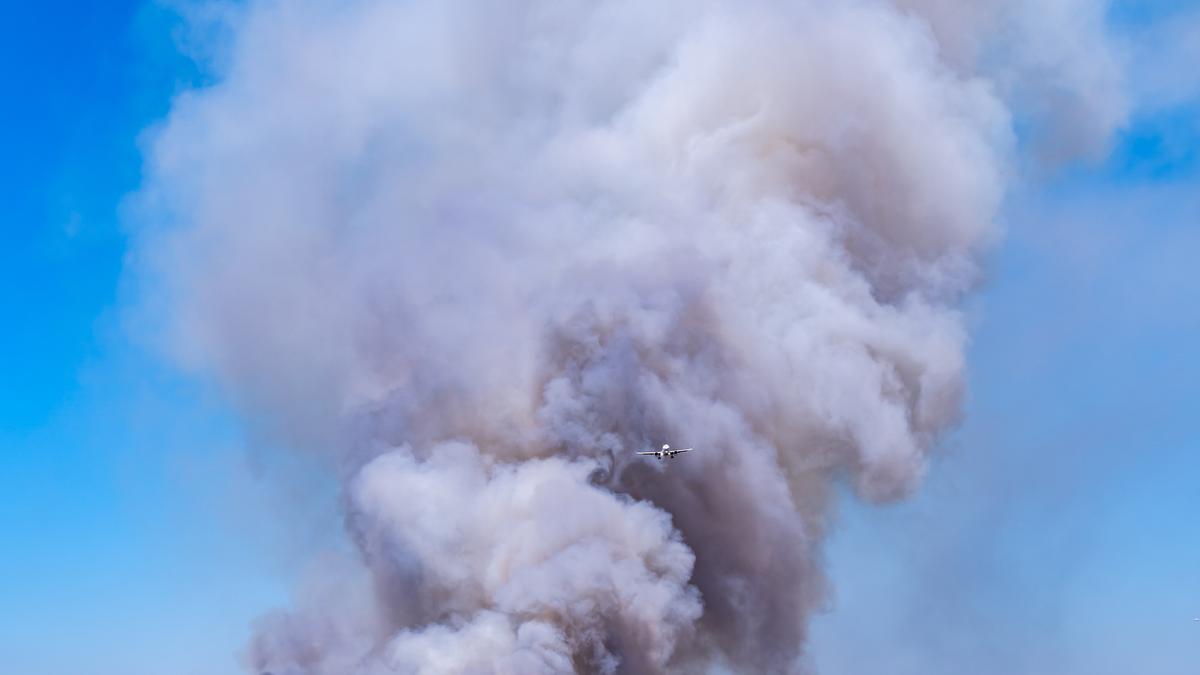
The U.S. has ordered non-emergency embassy staff and their families to depart Saudi Arabia and several other Gulf nations due to intensified Houthi attacks. This security measure follows a surge in regional instability and unverified reports of heavy casualties in Yemen's ongoing conflict.
U.S. Diplomatic Drawdown Amid Regional Escalation
The Security Mandate
The United States State Department has taken the significant step of ordering non-emergency government employees and their families to evacuate from Saudi Arabia. This directive, confirmed by spokesperson Tommy Pigott, reflects a sharp deterioration in the regional security environment. The move is not limited to the Saudi kingdom alone; reports indicate that the families of embassy staff in the United Arab Emirates, Jordan, Qatar, and Bahrain have also been instructed to depart, signaling a coordinated response to the broader threat landscape currently gripping the Middle East.
The Houthi Threat and Regional Instability
This diplomatic withdrawal is a direct response to the sustained, near-daily attacks launched by the Iran-backed Houthi movement. These strikes have targeted infrastructure and security apparatuses within Saudi Arabia, creating a volatile environment for foreign personnel. The Houthis, who have become an increasingly capable regional actor, are leveraging a variety of tactical assets to pressure the kingdom. The proximity of these attacks to diplomatic missions has forced the U.S. to prioritize the safety of its staff over the continuity of normal diplomatic operations.
Analyzing the Yemeni Front
The escalation in attacks coincides with intensified military operations within Yemen. Saudi-backed forces recently claimed to have neutralized 285 Houthi fighters during 'Operation Dawn of Yemen' on October 21. While these claims—which cite the destruction of 190 vehicles and the use of over 800 targeting operations—remain unverified, they highlight the high-intensity nature of the ongoing conflict. The disparity between the reported military successes of Saudi-backed proxies and the continued Houthi ability to threaten regional security underscores the complexity of the war.
Geopolitical Implications
The expansion of this evacuation order to include multiple Gulf nations underscores the extent to which the current Middle East war has become a regionalized conflict. By targeting U.S. interests indirectly through the destabilization of host nations, actors like the Houthis are attempting to recalibrate the regional power balance. The presence of U.S. diplomats in these countries has long served as a symbol of American commitment to regional stability; their departure serves as a stark acknowledgment that the current security threat is no longer manageable through standard diplomatic protection protocols.
Future Trends and Strategic Outlook
Looking forward, the ability of the U.S. to re-establish a full diplomatic footprint in the region will depend heavily on the cessation of cross-border attacks and the stabilization of the Yemeni theater. Until the security situation is reassessed, we can expect a period of 'minimalist' diplomacy in the region. If the Houthi offensive continues to gain momentum, the U.S. and its allies will likely face increased pressure to bolster air defense systems and reassess their long-term military posture in the Gulf to prevent further encroachment on diplomatic sovereignty.
Multiple Citing Sources
Verification Required?