Investors shrug off US sanctions plan for Iran, bitcoin powers on
Source Entity
Yahoo Finance
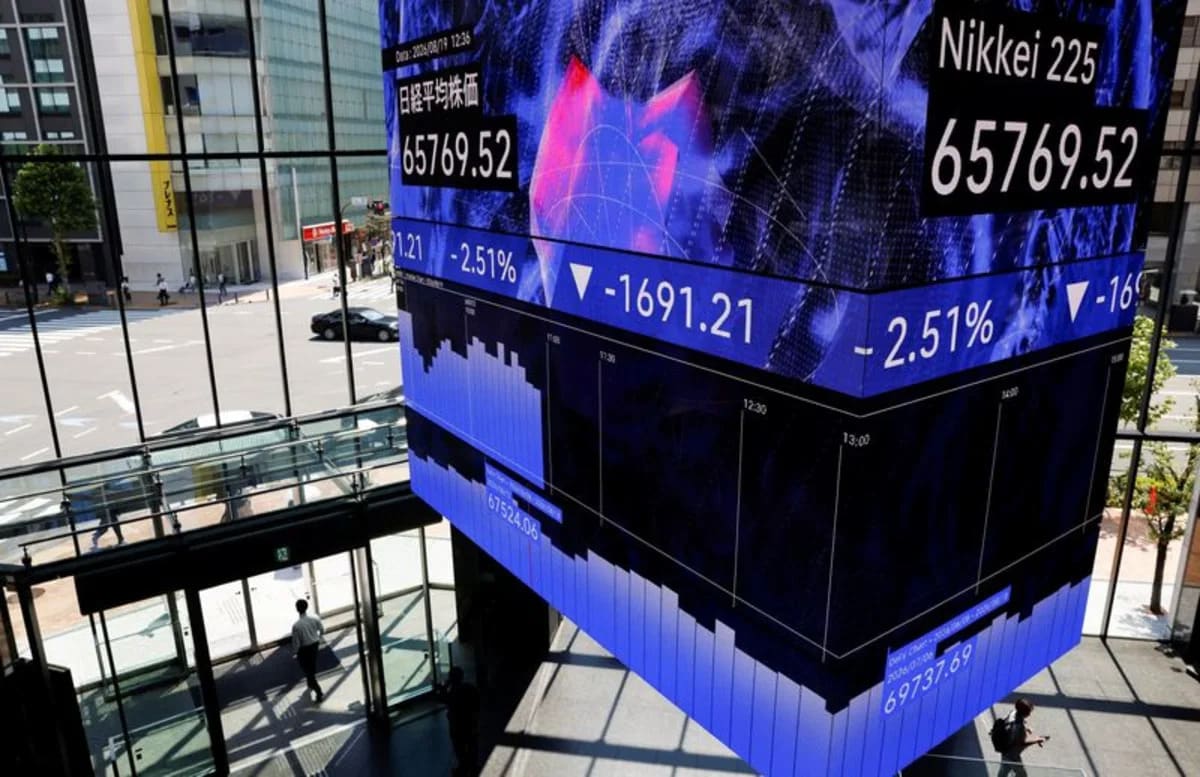
The U.S. has announced plans to expand sanctions against Iran, prompting threats of retaliation from Tehran and firm opposition from China. Global markets have remained largely stable despite the heightened geopolitical tensions and the threat of secondary sanctions.
Tensions Escalate: The U.S.-Iran Sanctions Standoff
Following a period of relative volatility, the United States has signaled a significant escalation in its economic pressure campaign against Iran. U.S. Treasury Secretary Scott Bessent recently announced plans to widen sanctions, specifically targeting nations that maintain financial ties with Tehran. This development follows a period of approximately six months since the initial military strikes conducted by the U.S. and Israel against Iranian targets, marking a continued trend of both kinetic and economic confrontation.
The 'Economic D-Day' Strategy
Secretary Bessent’s announcement, which was framed as an "economic D-Day," represents a high-stakes attempt to isolate the Iranian economy by threatening secondary sanctions on third-party nations. While the Treasury Department has yet to formally execute these penalties, the threat alone has sent ripples through international diplomatic circles. The core objective appears to be the total constriction of Iran’s financial lifelines, aiming to force a change in regional behavior by cutting off the regime's primary sources of revenue.
Global Market Resilience
Despite the gravity of the diplomatic threats, global financial markets have shown a surprising degree of resilience. Investors appear to be looking past the geopolitical noise, with share and bond markets regaining stability shortly after the initial announcement. The focus of institutional investors has largely shifted toward other macroeconomic indicators, such as upcoming corporate earnings from major technology firms, suggesting that the markets have already priced in a level of ongoing friction between the U.S. and Iran.
China’s Strategic Stance
China has emerged as the most vocal opponent of the new U.S. policy. As the primary importer of Iranian oil, Beijing views the U.S. sanctions as an illegal infringement on its sovereign commercial interests. Foreign ministry spokesman Lin Jian has stated that China will take "all necessary measures" to protect its rights, emphasizing that its trade relations with Tehran are conducted within the framework of international law. This sets the stage for a potential direct clash of economic interests between the world’s two largest economies.
Future Implications and Risks
If the U.S. moves from rhetoric to action, the potential for secondary sanctions could fundamentally alter global supply chains, particularly in the energy sector. Iran has vowed retaliation, and the combination of potential Iranian counter-measures and Chinese economic defiance suggests a prolonged period of instability. While markets are currently calm, the long-term risk of a fractured global trade system remains a significant concern, as nations are forced to choose between access to the U.S. financial system and their energy security agreements with Iran.
Multiple Citing Sources