Two hurt as fishing boat capsizes near Visakhapatnam Fishing Harbour; all seven survive
Source Entity
India Latest News: Top National Headlines Today & Breaking News | The Hindu
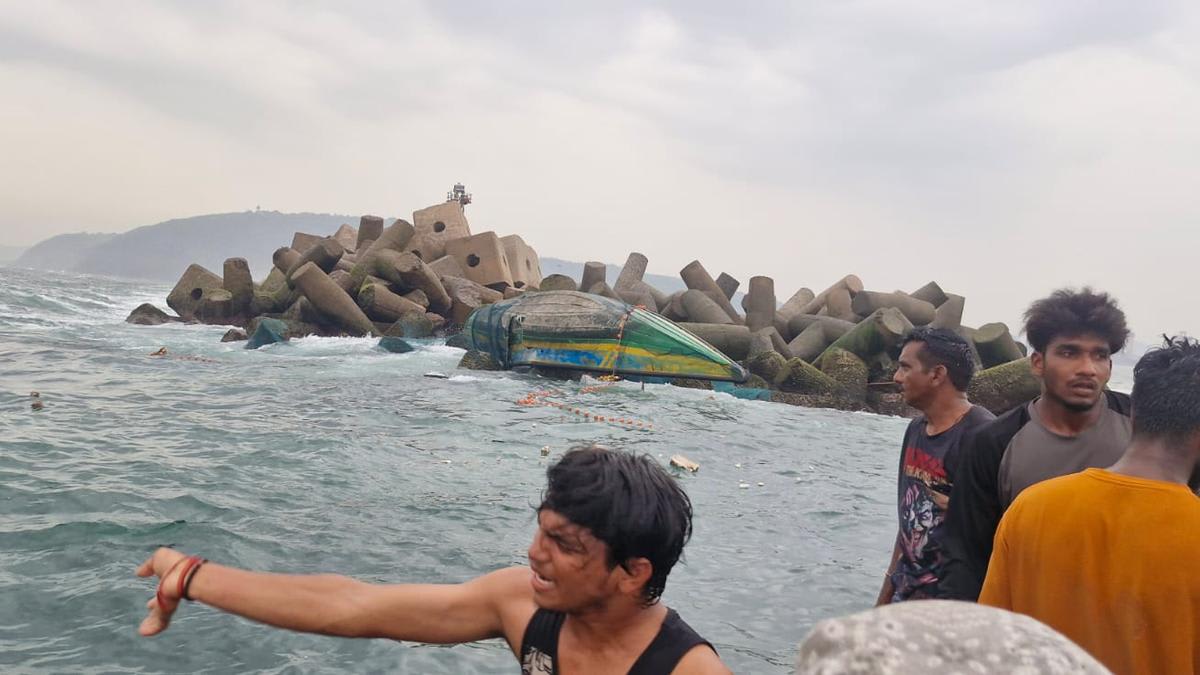
Seven fishermen were rescued after their boat capsized near Visakhapatnam Fishing Harbour due to rough seas caused by a low-pressure area. While two crew members sustained injuries, all seven survived the incident.
Narrow Escape: Fishing Boat Capsizes off Visakhapatnam Coast
On the morning of Thursday, July 16, 2026, a perilous maritime accident occurred near the Visakhapatnam Fishing Harbour when a fishing boat capsized during an expedition. The incident, which initially threatened the lives of seven crew members, ended in a successful rescue operation. The event underscores the extreme volatility of the Bay of Bengal, particularly during seasons characterized by unpredictable weather patterns and atmospheric instability.
Environmental Triggers and Atmospheric Conditions
The primary catalyst for the accident was a well-marked low-pressure area situated over the Bay of Bengal, extending along the Odisha coast. Such meteorological phenomena typically generate strong currents and rough sea states, which significantly increase the risk for small to medium-sized fishing vessels. In this instance, the crew was in the process of casting nets—a period of high vulnerability where the boat's stability is compromised—when the intense currents caused the vessel to overturn. This highlights the critical intersection between atmospheric pressure systems and the safety of artisanal and commercial fishing operations in the region.
The Danger of Breakwater Infrastructure
A particularly harrowing aspect of this incident was the role of the harbor's protective infrastructure. After capsizing, the boat was slammed by powerful waves into the tetrapods—large, interlocking concrete blocks used to form breakwaters. Instead of providing a buffer, the waves wedged the vessel between these structures, pinning it against the breakwater and trapping the fishermen beneath the wreckage. This scenario created a complex rescue environment, as the crew had to cling to the wreckage while pinned against concrete barriers, significantly increasing the risk of drowning or crush injuries.
Rescue Operations and Casualty Assessment
Despite the precarious positioning of the boat and the trapped crew, rescue efforts were successful in retrieving all seven individuals. The physical toll of the accident resulted in two fishermen sustaining injuries, though no fatalities were reported. The ability of the crew to hold onto the wreckage until help arrived suggests a combination of resilience and fortunate timing. The rapid response of rescue teams was essential in preventing a tragedy, especially given the entrapment between the tetrapods which could have easily led to a mass casualty event.
Governance and Future Safety Imperatives
In the aftermath of the event, government officials have emphasized the necessity of improving safety standards within the fishing community. There is a clear call for enhanced education regarding safety protocols and weather monitoring to ensure that fishermen are not venturing into dangerous waters during active low-pressure warnings. The government has reaffirmed its commitment to standing by the fishing community, suggesting that future initiatives may include better early-warning systems or mandatory safety equipment to mitigate the risks associated with the region's rough seas.
Conclusion
The Visakhapatnam boat capsizing serves as a stark reminder of the dangers inherent in deep-sea fishing during adverse weather. While the survival of all seven crew members is a positive outcome, the incident exposes the vulnerabilities of fishing expeditions to low-pressure systems and the physical hazards posed by coastal infrastructure during storms. Moving forward, the integration of stricter safety training and better adherence to meteorological alerts will be paramount in protecting the livelihoods and lives of the coastal community.
Verification Required?