Martyrs’ Day revelations: Mamata remains crowd puller, ‘rebel TMC’ unimpressive, Congress springs surprise
Source Entity
Ravik Bhattacharya, Atri Mitra
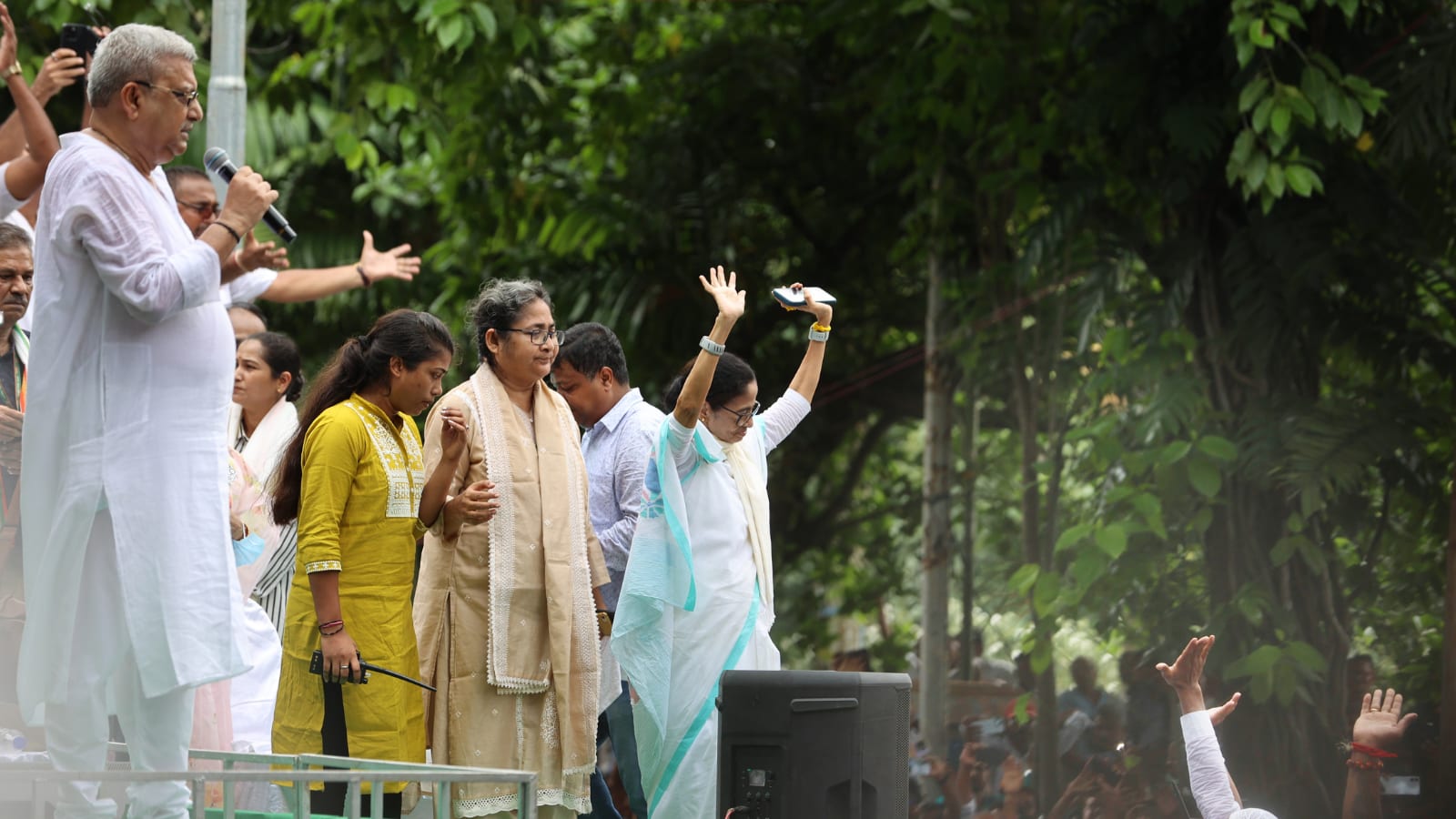
The public release of the 1993 police firing report by CM Suvendu Adhikari has ignited political tensions in West Bengal. The report, which labels the incident 'worse than Jallianwala Bagh,' highlights long-standing political grievances regarding the deaths of 13 Youth Congress supporters.
The 1993 Firing Report: A Political Turning Point
The recent decision by West Bengal Chief Minister Suvendu Adhikari to make public the Justice Susanta Chatterjee commission report regarding the July 21, 1993, police firing has sent shockwaves through the state's political landscape. The report, which investigated the tragic event that claimed the lives of 13 Youth Congress supporters, describes the police action as "unnecessary" and draws a provocative comparison to the Jallianwala Bagh massacre. By releasing this document on the eve of Martyrs' Day, the current administration has effectively reframed a historical tragedy into a contemporary political weapon.
Historical Context and Indictments
For decades, the July 21, 1993, event has served as a cornerstone of Mamata Banerjee’s political identity. As a Youth Congress leader at the time, she was present and injured during the police crackdown. The commission, established by Banerjee herself in 2011 after she ascended to the Chief Minister's office, was tasked with uncovering the truth. The report’s findings are severe, indicting several Indian Police Service (IPS) officers for their conduct. Despite the commission submitting its findings in 2014, the report remained shielded from public view for over a decade, a delay that now serves as the primary basis for the current administration’s criticism of the former Chief Minister.
The Shift in Political Power
This release coincides with a delicate moment for the Trinamool Congress (TMC). With the state witnessing competing rallies for Martyrs' Day, the political ground is clearly shifting. While Mamata Banerjee maintains her status as a significant crowd-puller, the emergence of rival factions—including a rebel group led by Ritabrata Banerjee and another in Delhi—suggests deep organizational turmoil. The comparative success of these gatherings has become a barometer for the party's internal stability in the face of the new BJP-led government.
The Compensation Controversy
The commission’s recommendation of ₹25 lakh in compensation for each bereaved family has now become a point of contention. While the current government has announced its intention to provide these funds, the debate remains focused on the failure to act on these recommendations earlier. Suvendu Adhikari has specifically slammed Mamata Banerjee for her inaction, questioning why the primary witness—who later became the head of the state—never provided a formal statement to the commission despite her vocal advocacy for the victims over the years.
Implications and Future Trends
Moving forward, the public discourse surrounding this report is likely to intensify the polarization within West Bengal politics. By highlighting the "unnecessary" nature of the firing, the report forces a re-examination of the state’s historical administrative accountability. The move also serves to delegitimize the previous administration's narrative of being the sole champion of the 1993 victims. As the state approaches future electoral cycles, the legacy of the 1993 firing will continue to be a central theme, used to challenge the credibility of political figures who have long utilized the tragedy for electoral mobilization.
Conclusion
Ultimately, the release of the Justice Susanta Chatterjee report is more than a administrative disclosure; it is a strategic maneuver that highlights the complexities of power transitions in West Bengal. By bridging the gap between a decades-old trauma and modern political maneuvering, the current administration has successfully placed the opposition on the defensive. Whether this leads to genuine justice for the families of the victims or merely serves to deepen the cycle of political retribution remains to be seen, but the impact on the state's political trajectory is undeniable.
Multiple Citing Sources