Why are gasoline prices rising faster than oil prices? Blame it on the ‘crack.’
Source Entity
Julian Torres
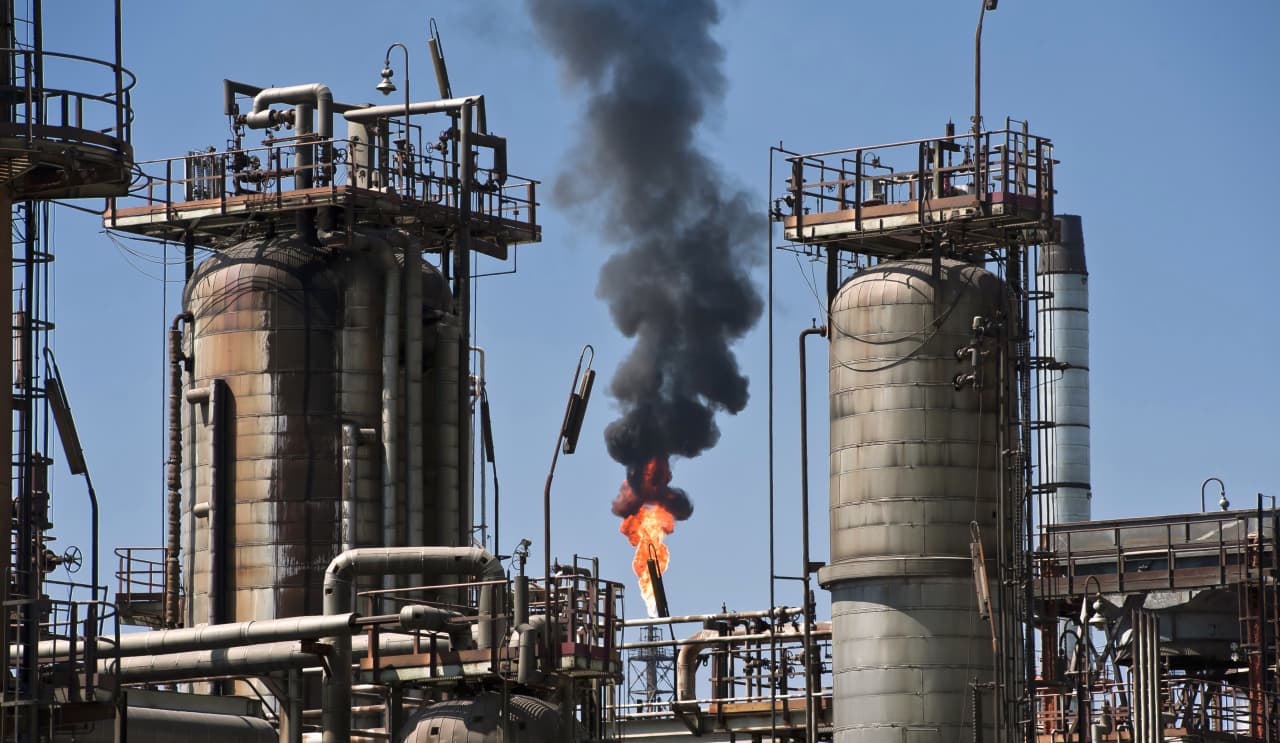
Gasoline prices are outpacing crude oil costs due to a widening 'crack spread.' This metric represents the profit margin refineries earn by converting crude oil into gasoline.
Understanding the Disconnect in Fuel Pricing
Recent market data indicates a notable divergence between the price of crude oil and the retail price of gasoline. While consumers often assume that gasoline prices move in lockstep with the cost of a barrel of crude, the reality is mediated by the refining process. The primary driver of this current price surge is the 'crack spread,' a critical industry metric that measures the price difference between crude oil and the refined products derived from it.
Defining the Crack Spread
The crack spread is essentially the profit margin realized by oil refineries. When the spread widens—meaning the price of gasoline rises significantly faster than the underlying cost of the crude oil used to produce it—it signals that the cost of refining is increasing, or that market demand for gasoline is outstripping supply capacity. This phenomenon highlights that gasoline is not merely a raw commodity, but a manufactured product subject to industrial throughput constraints.
The Impact of Refinery Capacity and Efficiency
Refining is a complex chemical process that involves 'cracking' heavy hydrocarbon molecules into lighter, more usable products like gasoline, diesel, and jet fuel. When the crack spread widens sharply, it often suggests that refineries are struggling to keep pace with seasonal demand or are facing operational bottlenecks. Historically, maintenance cycles and unplanned outages can restrict the supply of finished gasoline even when crude oil stockpiles remain relatively stable or abundant.
Broader Economic Implications
A widening crack spread acts as an indirect tax on consumers and businesses, contributing to inflationary pressures. Because gasoline is a fundamental input cost for logistics, transportation, and commuting, its price volatility has a multiplier effect across the broader economy. When the spread widens, energy companies may see improved margins, but the downstream effect is a reduction in disposable income for households and increased operational costs for the shipping and manufacturing sectors.
Historical Context and Future Trends
Historically, crack spreads fluctuate based on seasonal patterns, such as the transition to summer-grade gasoline or increased demand during peak travel months. However, when the spread widens sharply outside of these predictable cycles, it often points to structural issues within the global refining infrastructure. Moving forward, market analysts will likely monitor these spreads as a leading indicator of energy market health. If the crack spread remains elevated, it suggests that the global refining sector is operating at or near maximum capacity, leaving the market vulnerable to further price spikes if supply chains are disrupted.
Conclusion
In summary, the rapid rise of gasoline prices relative to crude oil is a reflection of the refining industry's current economics. By focusing on the crack spread, we gain a clearer understanding of why fuel costs can remain high even when crude oil prices appear moderate. This dynamic underscores the importance of refining capacity as a stabilizing factor in global energy security.
Verification Required?