Analysis: Why It Is Challenging To Polarise Hindu Voters In Punjab
Source Entity
NDTV News Search Records Found 1000
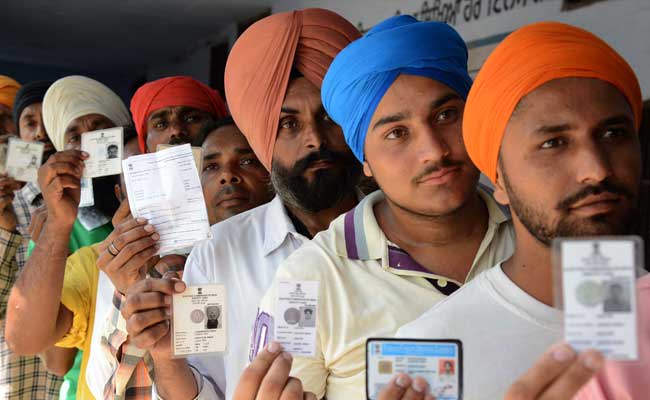
Punjab's significant Hindu population, comprising over 38% of the electorate, presents a unique demographic landscape. This demographic reality complicates efforts to polarize voters along religious lines in the state.
The Demographic Landscape of Punjab
Punjab, a state traditionally defined by its unique socio-religious fabric, hosts a substantial Hindu minority that constitutes 38.49% of the electorate, totaling more than 10,678,138 individuals. This demographic composition serves as a fundamental pillar in understanding the state's political dynamics. Unlike regions where a singular religious identity might dominate the electoral discourse, the significant presence of both Sikh and Hindu populations necessitates a more nuanced approach to political campaigning.
Challenges to Religious Polarization
The sheer scale of the Hindu population in Punjab acts as a structural barrier to traditional polarization strategies. When nearly 40% of the electorate belongs to a specific demographic, the political cost of alienating or attempting to mobilize that group through divisive rhetoric becomes prohibitively high. Political parties that rely on sectarian messaging often find that such tactics backfire in a state where social interdependency and shared regional identity have historically superseded religious divisions.
The Historical Context of Punjab Politics
Historically, Punjab’s political narrative has been shaped by the interplay between regional identity and national integration. The presence of over 10.6 million Hindu voters ensures that any party seeking to form a government must craft a platform that appeals to a cross-section of society. The integration of these voters into the broader electoral process has fostered a culture where economic issues, agricultural policies, and administrative governance often take precedence over purely religious or communal agendas.
Socio-Economic Implications
The demographic distribution of Hindu voters across urban and rural belts in Punjab further complicates efforts to create a unified 'polarization' narrative. In urban centers, the concerns of the Hindu electorate—ranging from trade policies to infrastructure development—often align with the broader urban population regardless of faith. This overlap creates a shared interest base that resists attempts to fracture the electorate, forcing political actors to focus on inclusive development rather than divisive identity politics.
Future Trends and Electoral Strategy
Looking ahead, it is highly probable that political parties will continue to struggle with traditional polarization tactics in Punjab. As the electorate becomes more focused on governance, employment, and the agrarian crisis, the efficacy of religious mobilization is likely to diminish further. The demographic weight of the Hindu population ensures that Punjab will remain a state where political victory is predicated on coalition-building and moderate, inclusive manifestos rather than the exploitation of religious fault lines.
Conclusion
In summary, the presence of over 10.6 million Hindu voters is not merely a statistical fact but a defining element of Punjab's political stability. By rendering religious polarization a difficult and risky strategy for political entities, this demographic balance forces a more pragmatic approach to governance. As the state moves forward, the focus will likely remain on addressing the common concerns of its diverse population, ensuring that Punjab continues to chart a political path distinct from regions where communal polarization is more prevalent.
Verification Required?