What did Trump’s envoy really tell Putin? Russia gives brutal Ukraine, Iran & a China message
Source Entity
Latest News: Todays Latest News Headlines from India & World | Hindustan Times | Hindustan Times
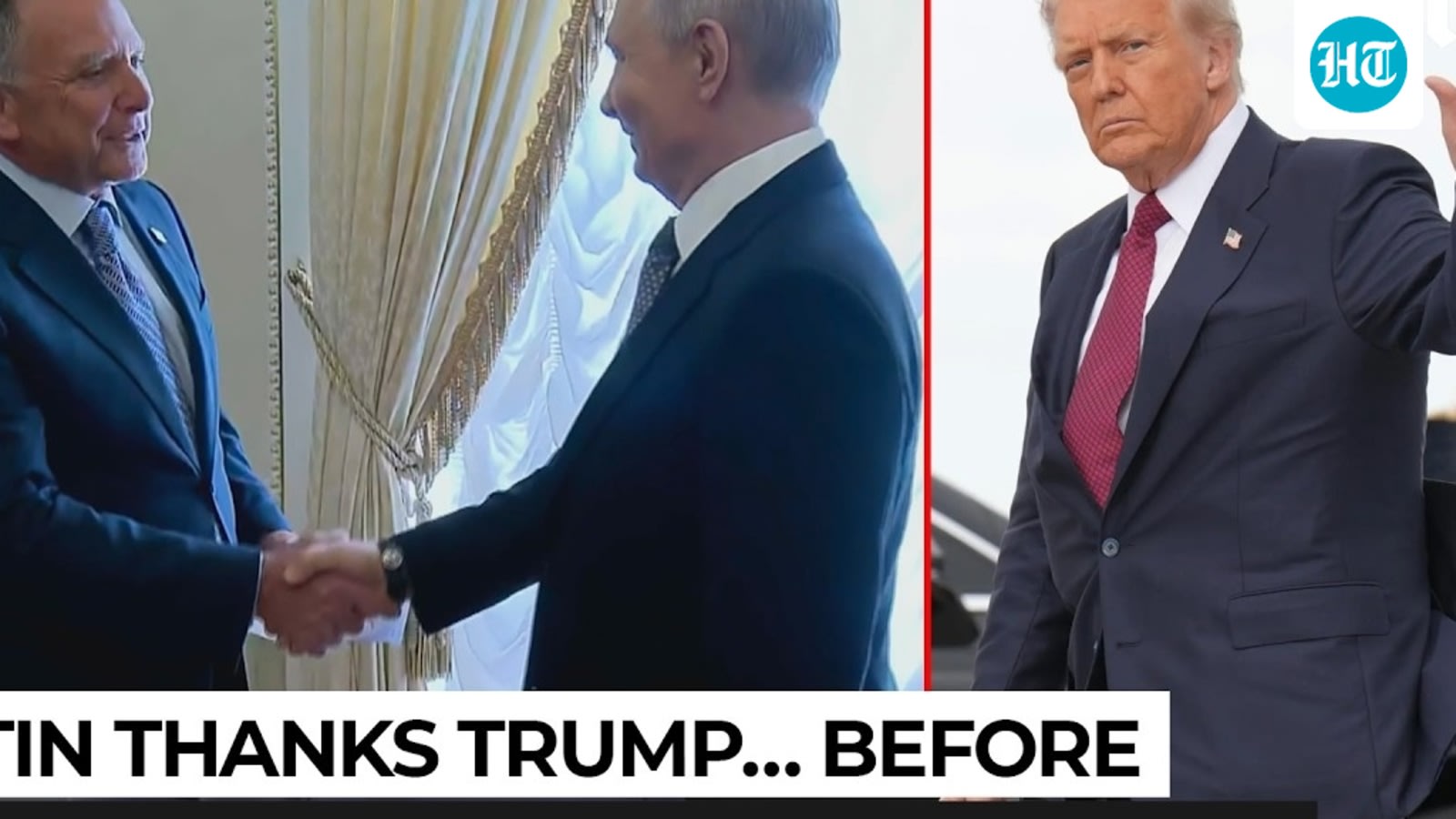
US special envoy Steve Witkoff met with Vladimir Putin in St. Petersburg, leading to Russia's conditional agreement to resume trilateral peace talks. These discussions, potentially slated for Abu Dhabi next month, follow intense diplomatic efforts involving Ukraine and European allies.
Diplomatic Breakthrough: Witkoff’s Mission to St. Petersburg
In a significant development for international diplomacy, United States special envoy Steve Witkoff recently traveled to Saint Petersburg to engage in high-level discussions with Russian President Vladimir Putin. This meeting marks a potential turning point in the protracted conflict between Russia and Ukraine, as it precedes a formal Russian announcement indicating a willingness to resume trilateral talks involving the US and Ukraine. The engagement serves as a critical bridge, following Witkoff’s prior consultations with Ukrainian President Volodymyr Zelensky and leaders in Norway.
Shifting Dynamics in the Conflict
For several months, the diplomatic landscape remained frozen, with Russia largely rejecting calls for negotiation, citing perceived battlefield advantages and the operational strain on Ukrainian defenses, particularly regarding the shortage of missile interceptors. However, the decision to re-engage suggests a strategic recalibration within the Kremlin. By expressing that Russia is "ready in principle" to return to the negotiating table, the administration of President Vladimir Putin is signaling a move toward de-escalation, or at least a shift in the theater of conflict from the frontlines to the diplomatic arena.
The Role of Trilateral Negotiations
The proposed trilateral framework—bringing together the US, Russia, and Ukraine—is intended to address the core grievances that have stalled peace efforts since February. The potential for a new round of talks, possibly to be held in Abu Dhabi as soon as next month, highlights the urgency felt by Kyiv and its European allies. President Zelensky has been a vocal proponent of these discussions, seeking to leverage international support to secure a sustainable cessation of hostilities.
Internal and External Pressures
Despite the optimism surrounding these talks, the environment remains fraught with complexity. The meeting between Witkoff and Putin has already sparked domestic backlash, with some critics questioning the characterization of the Russian leader in the context of humanitarian objectives. This tension reflects the broader internal debate within the United States regarding the nature of diplomatic engagement with Moscow and the extent to which the current administration should compromise to achieve a swift conclusion to the war.
Future Trends and Outlook
As the international community prepares for the potential Abu Dhabi summit, the focus will likely shift toward the feasibility of a ceasefire and the terms of a long-term settlement. With Russia facing mounting pressure and Ukraine continuing to navigate significant resource constraints, the upcoming talks will be a test of whether diplomatic leverage can effectively replace kinetic military action. The outcome of these negotiations will undoubtedly shape the geopolitical architecture of Europe for years to come, setting a precedent for how the US manages its role as a mediator in global conflicts.
Multiple Citing Sources
Verification Required?