Women IAS officers head 12 of Chhattisgarh’s 33 districts after reshuffle
Source Entity
Latest News: Todays Latest News Headlines from India & World | Hindustan Times | Hindustan Times
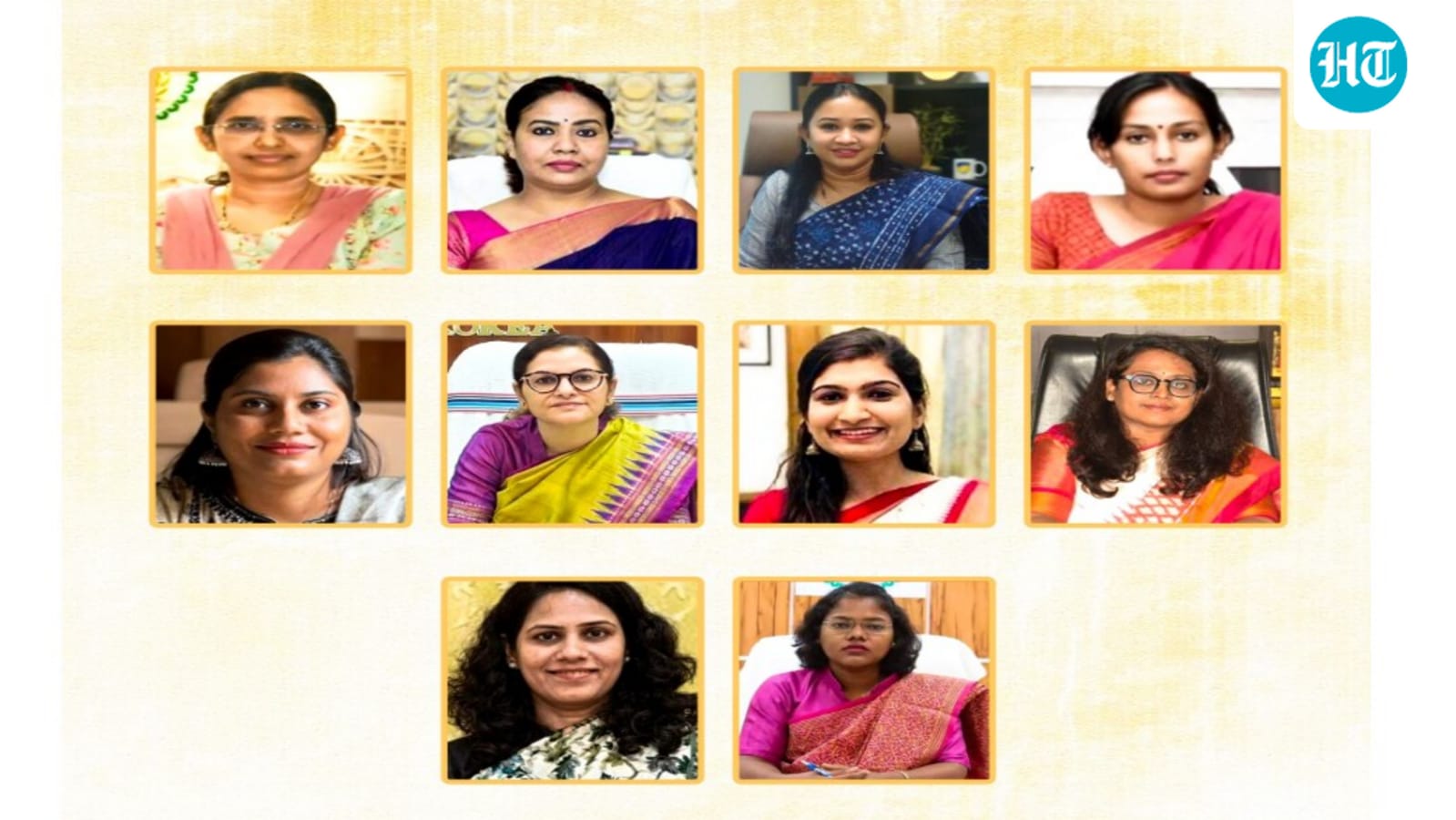
Chhattisgarh has appointed women IAS officers to lead 12 of its 33 districts following a major administrative reshuffle on August 18. This move signifies a notable shift in state governance, placing women in key leadership roles across diverse regions.
Administrative Transformation in Chhattisgarh
In a significant administrative recalibration, the government of Chhattisgarh has elevated the role of women within its bureaucratic framework. Following an official reshuffle announced on August 18, women Indian Administrative Service (IAS) officers now helm 12 of the state's 33 districts. This development marks a concerted effort to integrate women into the highest tiers of district-level management, ensuring that executive authority is distributed with a focus on diversity and administrative experience.
Strategic Appointments and Personnel Shifts
The reshuffle specifically bolstered female representation in leadership through targeted appointments. Notably, Jayshree Jain, a 2016-batch IAS officer, has been tasked with the stewardship of the Sakti district. Simultaneously, Tulika Prajapati transitioned from her role in Mohla-Manpur-Ambagarh Chowki to assume the position of collector in Kabirdham. Additionally, Tanuja Salam, formerly the director of the Sports and Youth Welfare Department, has been integrated into this new lineup of district leadership, reflecting a broader movement of experienced bureaucrats into frontline administrative roles.
The Role of District Collectors in Governance
The position of a District Collector is the bedrock of Indian administration, serving as the primary representative of the state government at the local level. By placing women in 12 out of 33 districts, the Chhattisgarh government is signaling a change in the state's administrative landscape. Collectors hold immense responsibility, ranging from law and order maintenance to the implementation of complex social welfare schemes and disaster management. The presence of women in these roles is critical for ensuring that administrative priorities are balanced with diverse perspectives.
Evaluating the Impact of the Reshuffle
This administrative shift is not merely a change in personnel but a reflection of the evolving nature of the IAS cadre in India. Over the past decade, there has been a steady increase in the number of female officers entering the service, and their deployment in key districts like Sakti and Kabirdham demonstrates a trust in their capacity to handle complex regional governance. These districts vary in their developmental needs, and the appointment of seasoned officers suggests a strategic alignment between individual expertise and district-specific requirements.
Broader Implications for State Policy
Beyond individual appointments, this reshuffle highlights how Chhattisgarh is prioritizing gender parity in governance. By reaching a milestone where over a third of the state's districts are led by women, the state government is setting a precedent for inclusive administration. Future trends in state-level recruitment and promotion are likely to follow this trajectory, as evidence suggests that diverse leadership teams often lead to more nuanced policy implementation, particularly in sectors related to health, education, and grassroots development.
Conclusion
The recent administrative changes in Chhattisgarh underscore a pivotal moment for the state's governance. With 12 out of 33 districts now under the guidance of women IAS officers, the state is poised to benefit from a more balanced and representative administrative structure. As these officers settle into their new roles in districts such as Sakti and Kabirdham, their performance will likely serve as a benchmark for future administrative appointments across the nation.
Verification Required?