Is Western democracy just weaponized chaos? Russia's Zakharova says it breeds pure ‘hatred’
Source Entity
Latest News: Todays Latest News Headlines from India & World | Hindustan Times | Hindustan Times
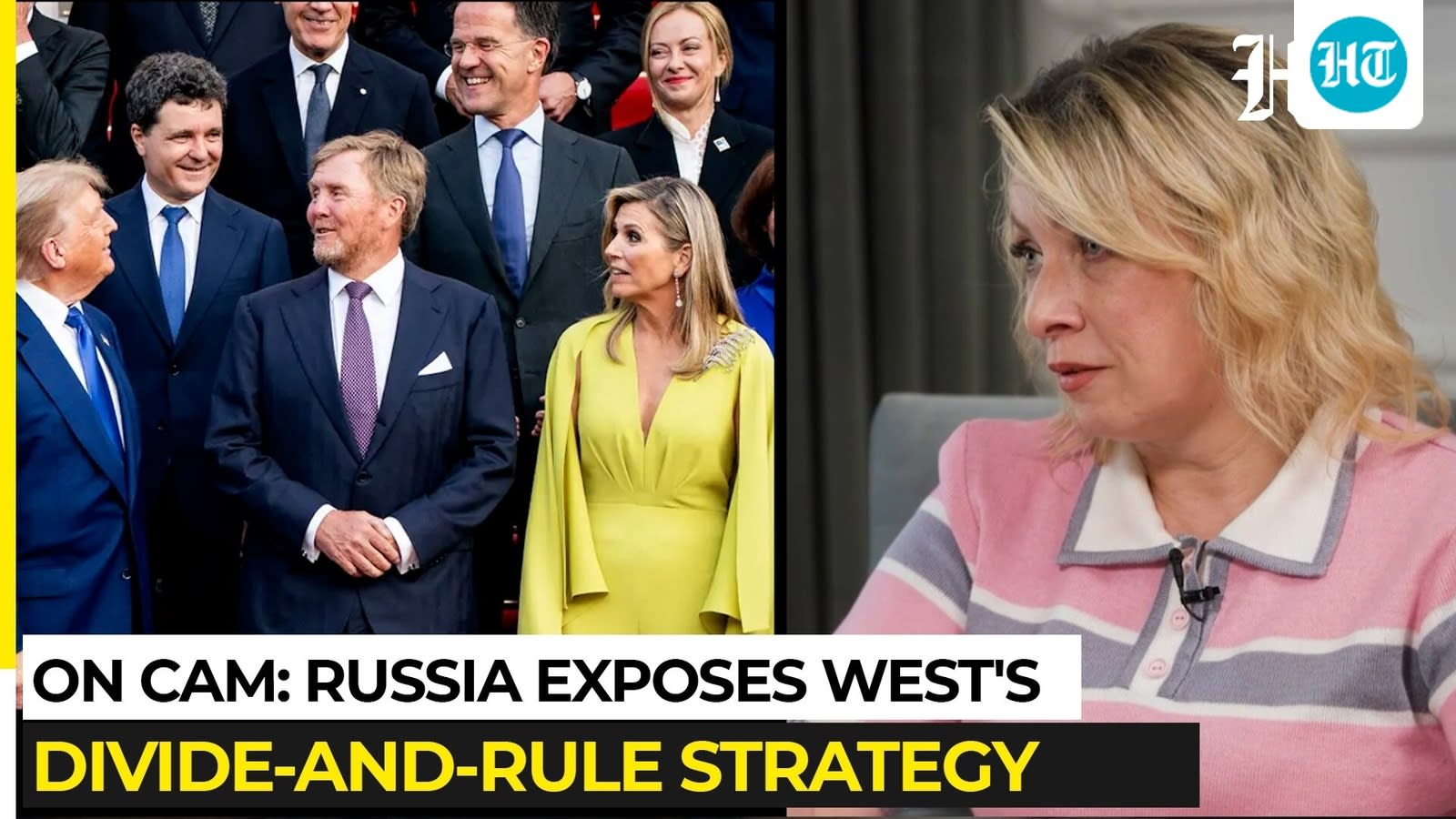
Russian spokesperson Maria Zakharova has accused Western institutions like NATO and the EU of weaponizing democratic rhetoric to destabilize sovereign nations. In contrast, she promoted the Shanghai Cooperation Organisation as a model of consensus-based diplomacy.
The Geopolitical Rhetoric of Maria Zakharova
Russian Foreign Ministry spokesperson Maria Zakharova has launched a pointed critique against Western democratic models, characterizing them as a form of "weaponized chaos." This rhetoric underscores a deepening ideological rift between Moscow and Western powers, specifically targeting the European Union and NATO. By framing democratic promotion as a tool for interference, Zakharova is attempting to recontextualize global security discourse, shifting the focus from human rights to the protection of national sovereignty against perceived external pressure.
Challenging Western Institutions
Zakharova’s assertions suggest that Western international organizations utilize the language of democracy not as a universal ideal, but as a mechanism to exert influence over nations that choose divergent political paths. This narrative aims to undermine the legitimacy of NATO and the EU, depicting them as architects of division rather than stability. By labeling Western democratic advocacy as a source of "hatred," the spokesperson is effectively creating a binary opposition between a perceived aggressive Western bloc and a more collaborative alternative vision of global governance.
The Rise of Alternative Alliances
Central to this critique is the promotion of the Shanghai Cooperation Organisation (SCO) as a functional counterweight to Western-led institutions. Zakharova argues that the SCO operates through the principles of consensus and diplomacy, contrasting this with what she describes as the coercive pressure applied by Western nations. This highlights Russia’s strategic pivot toward non-Western alliances, signaling a desire to shift the international order toward a multipolar framework where regional cooperation takes precedence over Western-defined democratic standards.
Contextualizing Ongoing Tensions
These remarks occur against a backdrop of severe geopolitical friction concerning security and sovereignty. The tension between Russia and the West is not merely military or economic; it is fundamentally ideological. By questioning the very nature of Western democracy, Moscow is seeking to invalidate the rationale behind sanctions and diplomatic isolation, positioning itself as a defender of traditional state sovereignty against a perceived liberal interventionist agenda.
Future Implications for Global Diplomacy
Looking ahead, this rhetorical strategy suggests that Russia will continue to challenge the universality of Western political norms in international forums. As global polarization intensifies, the competition between institutional models—such as the SCO versus NATO-aligned frameworks—will likely become a defining feature of modern diplomacy. The efficacy of this narrative will depend on how effectively Russia can persuade other nations in the Global South that democratic values are indeed being weaponized to erode their internal autonomy.
Conclusion
In summary, Maria Zakharova’s recent statements represent a calculated attempt to reshape the narrative surrounding global democratic engagement. By accusing Western powers of fostering chaos and division, Russia is setting the stage for a prolonged confrontation over the future of international governance. The success of this strategy rests on the ability to frame alternative, non-Western organizations as the primary guarantors of stability and respectful diplomacy in an increasingly fragmented world.
Verification Required?