1965 war postscript: Inside Lahore-Amritsar ceasefire talks and mind games
Source Entity
Man Aman Singh Chhina
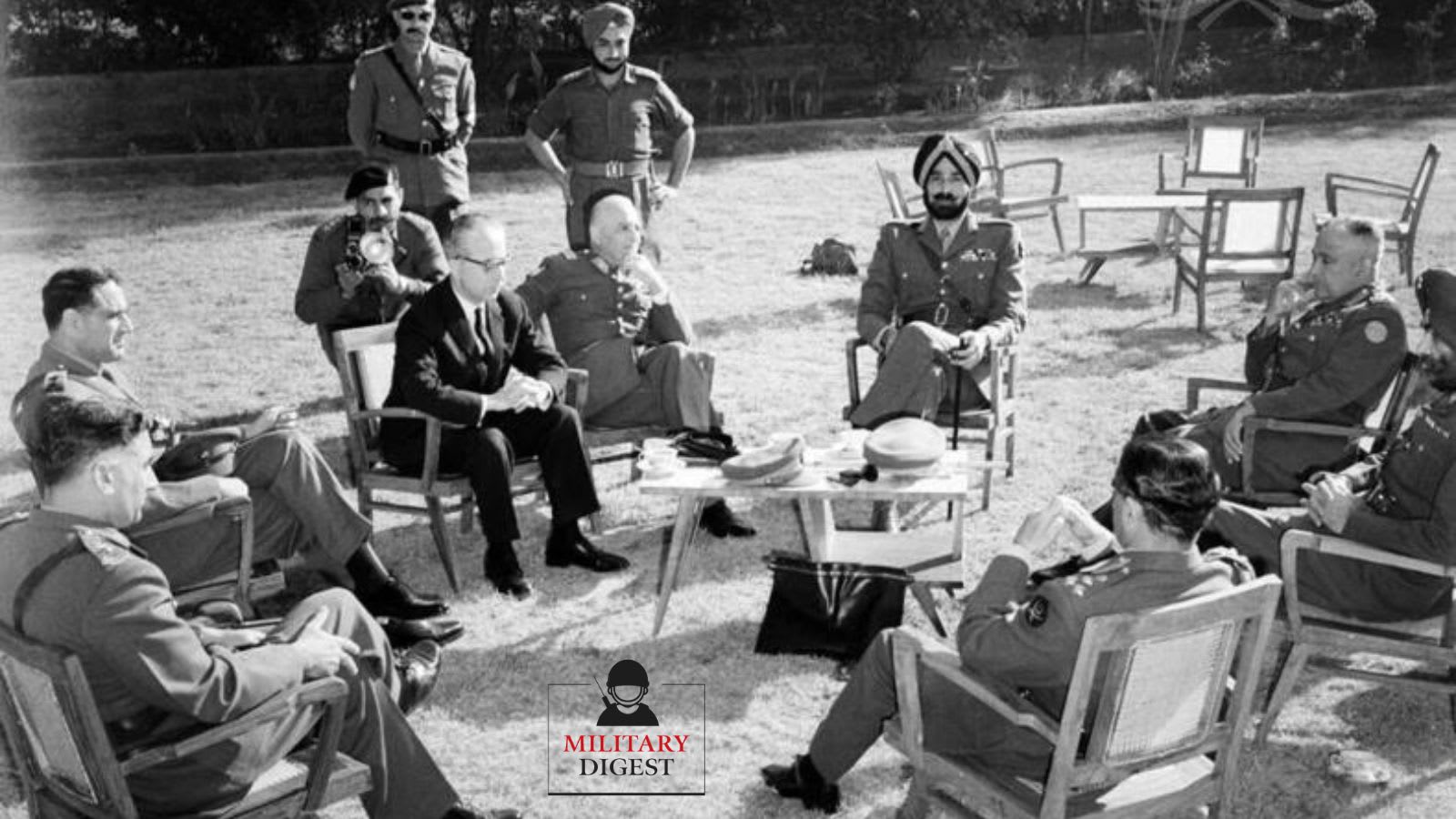
The 1965 India-Pakistan ceasefire negotiations, mediated by the UN in Lahore and Amritsar, were pivotal in stabilizing the border. These historic talks, led by high-ranking military officials, established the framework for force withdrawal and regional de-escalation.
The Diplomatic Architecture of the 1965 Ceasefire
The 1965 India-Pakistan war remains a seminal event in South Asian history, but the post-conflict period is equally significant for its complex diplomatic maneuvering. Following the intense hostilities, the transition to peace was not automatic; it required a series of granular military negotiations held in Lahore and Amritsar. These meetings were designed to navigate the fine print of the ceasefire agreement and manage the delicate logistics of troop withdrawals along a volatile border.
The UN Mediation Framework
Operating under the strict mandate of the United Nations Security Council Resolution of November 5, 1965, these talks were structured to ensure neutrality and compliance. Brigadier-General Tulio Marambio served as the critical link between the two nations, acting as the UN Secretary-General’s representative. His role was essential in mediating the 'mind games' and tactical posturing that often characterized these high-stakes discussions, ensuring that both sides adhered to the international roadmap for peace.
Leadership and Delegation Dynamics
The composition of the delegations underscored the gravity of the talks. The Indian team was headed by Lt Gen Harbaksh Singh, the General Officer Commanding-in-Chief of the Western Command. He was supported by Lt Col TS Padde and Captain Amarinder Singh, who served as his ADC. On the Pakistani side, the delegation was led by Lt Gen Bakhtiar Rana. The inclusion of such high-ranking officers indicates that these were not merely bureaucratic exercises but strategic sessions where military leaders had to balance national security interests with the necessity of a sustainable ceasefire.
Strategic Logistics and Border Stability
Beyond the political optics, the primary objective of the Lahore-Amritsar talks was the practical implementation of force disengagement. Coordinating the withdrawal of massive military formations requires precise communication and trust, both of which were in short supply following the 1965 conflict. These meetings established a precedent for military-to-military communication channels, which would become a recurring theme in the management of India-Pakistan border relations for decades to follow.
Historical Implications and Legacy
The 1965 ceasefire negotiations serve as a case study in crisis management. By alternating between Lahore and Amritsar, the delegations engaged in a form of 'shuttle diplomacy' that forced both sides to acknowledge the logistical realities of the other. This period remains a vital postscript to the war, illustrating that the path from active combat to stable peace is paved with rigorous dialogue and the mediation of third-party international actors like the United Nations.
Conclusion
In conclusion, the post-1965 ceasefire talks were a fundamental exercise in restoring regional order. Through the leadership of figures like Lt Gen Harbaksh Singh and the mediation of Brig-Gen Marambio, the two nations managed to navigate the complexities of troop withdrawal. Understanding this historical episode provides essential insight into the diplomatic mechanisms that have historically prevented total escalation in South Asia.