Pakistan braces for showdown as Imran Khan’s party pushes ahead with march
Source Entity
TIMESOFINDIA.COM
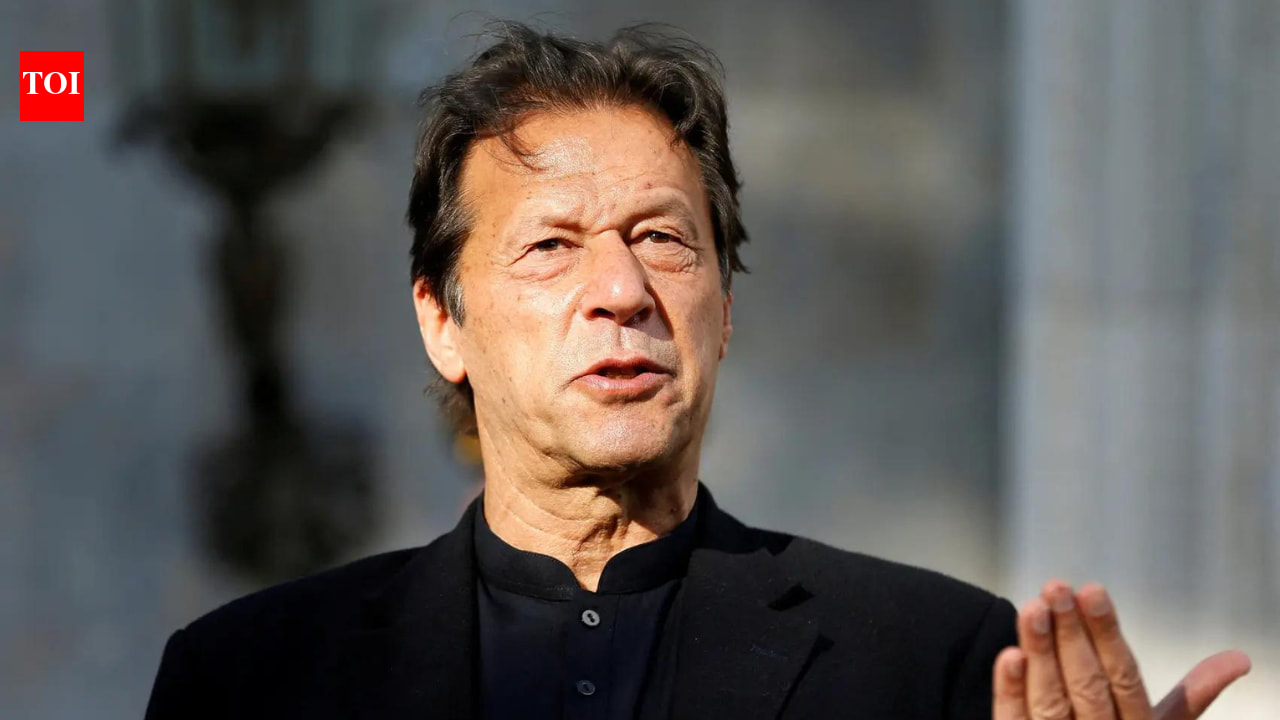
Pakistan faces heightened political instability as Imran Khan’s PTI party moves forward with protest marches. The movement demands the release of Khan and his family members alongside judicial and medical transparency.
The Impending Political Showdown in Pakistan
The political climate in Pakistan has reached a critical juncture as the Pakistan Tehreek-e-Insaf (PTI) party prepares for a high-stakes protest march. This escalation follows the complete breakdown of negotiations between the party leadership and state authorities, signaling a period of significant civil unrest. At the heart of this confrontation is the ongoing detention of former Prime Minister Imran Khan, who has remained incarcerated at the high-security Adiala Jail in Rawalpindi since 2023 following a conviction in a corruption case.
The Human Rights and Legal Demands
Beyond the primary objective of securing Imran Khan’s freedom, the PTI’s protest agenda has expanded to encompass broader grievances regarding due process and human rights. The party has explicitly called for the immediate release of Khan’s sisters and various other supporters who were swept up in pre-emptive arrests ahead of the planned demonstrations. These demands reflect a growing frustration within the PTI ranks regarding what they characterize as a systematic crackdown on political dissent and the targeted intimidation of the former Prime Minister’s inner circle.
Concerns Over Medical and Judicial Integrity
A significant pillar of the current protest movement concerns the welfare of Bushra Bibi, Khan’s wife. The party has issued urgent demands for a comprehensive and independent medical examination to ensure her well-being while in state custody. This focus on medical transparency is paired with a fierce insistence on judicial independence. The PTI is demanding that the numerous legal cases leveled against Khan and his associates be adjudicated without external interference, highlighting a deep-seated distrust in the current legal proceedings.
Historical Context and Institutional Tension
This standoff is not an isolated event but rather the culmination of years of institutional friction in Pakistan. Since his ouster in 2022, Khan has maintained a confrontational stance toward the political establishment, consistently alleging that his legal woes are politically motivated. The persistence of the PTI in organizing mass protests despite the high-security environment at Adiala Jail illustrates the party’s continued mobilization capacity and its refusal to fade into political irrelevance despite the incarceration of its foundational leader.
Future Trends and Stability Risks
The collapse of talks suggests that a peaceful resolution remains distant, raising the specter of widespread civil disobedience and potential clashes between security forces and protesters. As the march proceeds, the government faces a precarious balancing act: maintaining order while navigating the international scrutiny that accompanies the detention of a former head of state. Should the protests gain momentum, they could force a shift in the government’s approach to the legal cases against Khan, though a hardening of positions remains the most likely immediate outcome.