Russia to intensify strikes on Kyiv and other Ukraine regions after Zelensky vows to ‘double down’ on attacks
Source Entity
Latest News: Todays Latest News Headlines from India & World | Hindustan Times | Hindustan Times
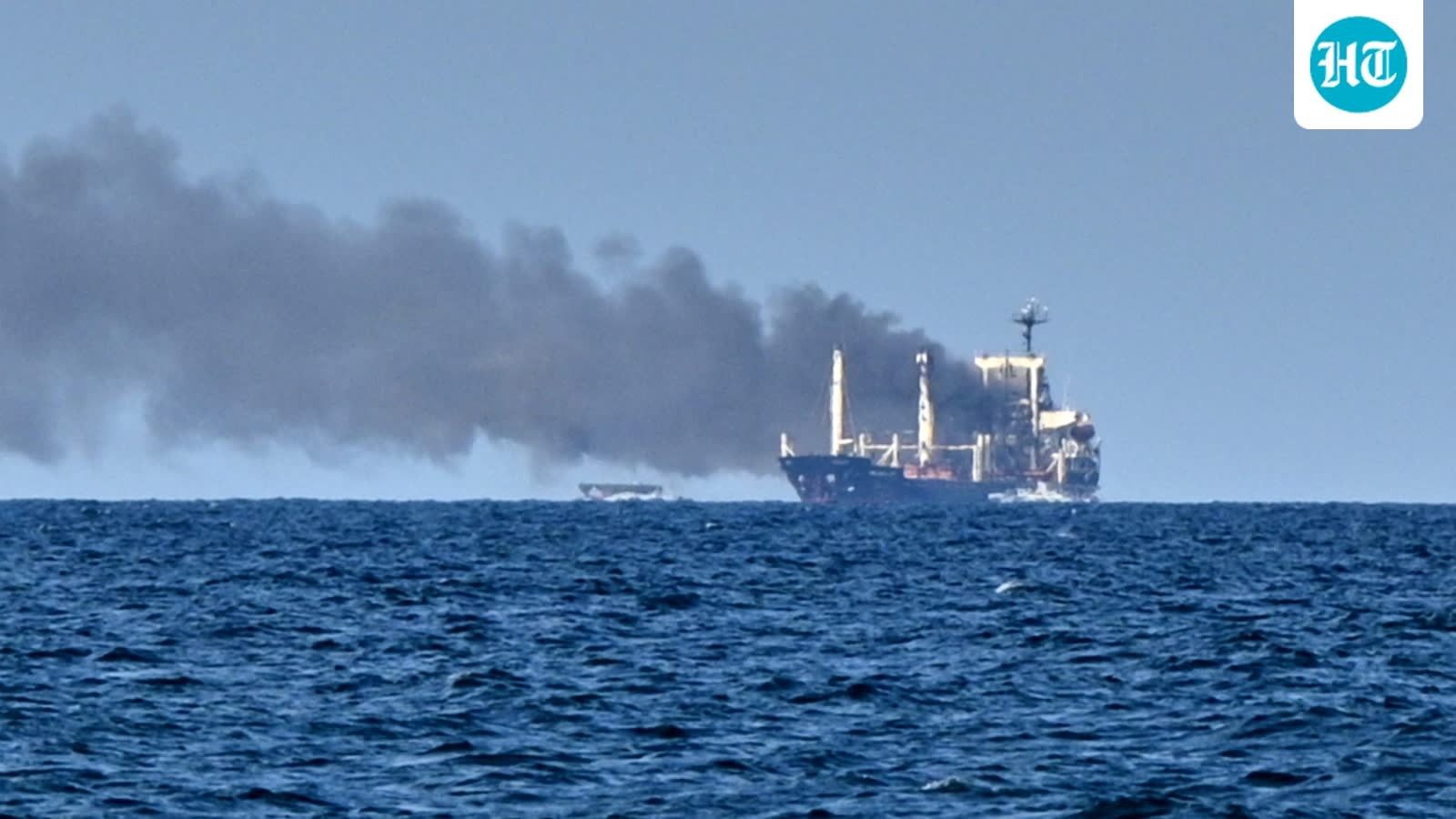
President Zelenskyy has announced a new strategy to target Russian oil refineries in retaliation for Moscow's ongoing airstrikes on Ukrainian infrastructure. Russia has responded by vowing to intensify attacks on military and defense facilities across Ukraine, further escalating the conflict.
The Escalation of Infrastructure Warfare
The conflict between Russia and Ukraine has entered a volatile new phase characterized by a direct confrontation over energy and defense infrastructure. President Volodymyr Zelenskyy has unveiled a 'new doctrine' of strikes, explicitly targeting Russian oil refineries as a strategic countermeasure against Moscow's persistent aerial bombardment of Ukrainian cities. This shift represents a departure from traditional frontline combat, signaling a move toward economic warfare designed to cripple the Russian industrial machine that fuels its military operations.
Strategic Rationale Behind Refinery Strikes
By focusing on oil refineries, Ukraine is targeting the literal lifeblood of the Russian war effort. These facilities are critical to the domestic fuel supply and export revenue of the Russian Federation. By systematically undermining these sites, Kyiv aims to impose tangible economic costs on Moscow, forcing the Kremlin to divert resources for defense and repair. Zelenskyy has maintained that these strikes are a necessary response to Russia’s own tactics, which have been specifically designed to render Ukrainian cities uninhabitable through the destruction of civilian infrastructure.
Russia’s Retaliatory Stance
In response to Zelenskyy’s declaration, the Russian Defence Ministry has announced a reciprocal intensification of its own strikes. Moscow has explicitly stated that it will focus on military facilities, defense industry sites, and critical infrastructure within Kyiv and other major Ukrainian regions. This cycle of retaliation creates a precarious feedback loop, where each side justifies the escalation of force based on the other's prior actions, significantly raising the risk of widespread destruction and humanitarian strain.
The Maritime Dimension
Beyond land-based infrastructure, the conflict has increasingly spilled over into the Black Sea. Both nations have ramped up efforts to disrupt the other's grain vessels, a move that carries profound implications for global food security. The targeting of maritime trade routes adds an international dimension to the conflict, as grain exports remain vital for both the Ukrainian economy and the stability of global food prices. This expansion of the theater of war suggests that the conflict is moving toward a total, multi-domain struggle.
Broader Implications and Future Trends
This escalation signals that neither side is currently willing to pursue a diplomatic off-ramp. As Ukraine continues to 'double down' on its new doctrine, and Russia accelerates its aerial campaigns, the landscape of the war is becoming increasingly defined by the attrition of critical infrastructure. Future trends suggest that the ability of both nations to project power over long distances—through drones and missiles—will determine the sustainability of their respective war efforts. The international community remains on high alert as the tactical focus shifts from territorial gains to the systematic dismantling of industrial and defensive capabilities.
Verification Required?