Chief Ministers and criminality: 45% of India’s CMs have cases pending against them
Source Entity
India Latest News: Top National Headlines Today & Breaking News | The Hindu
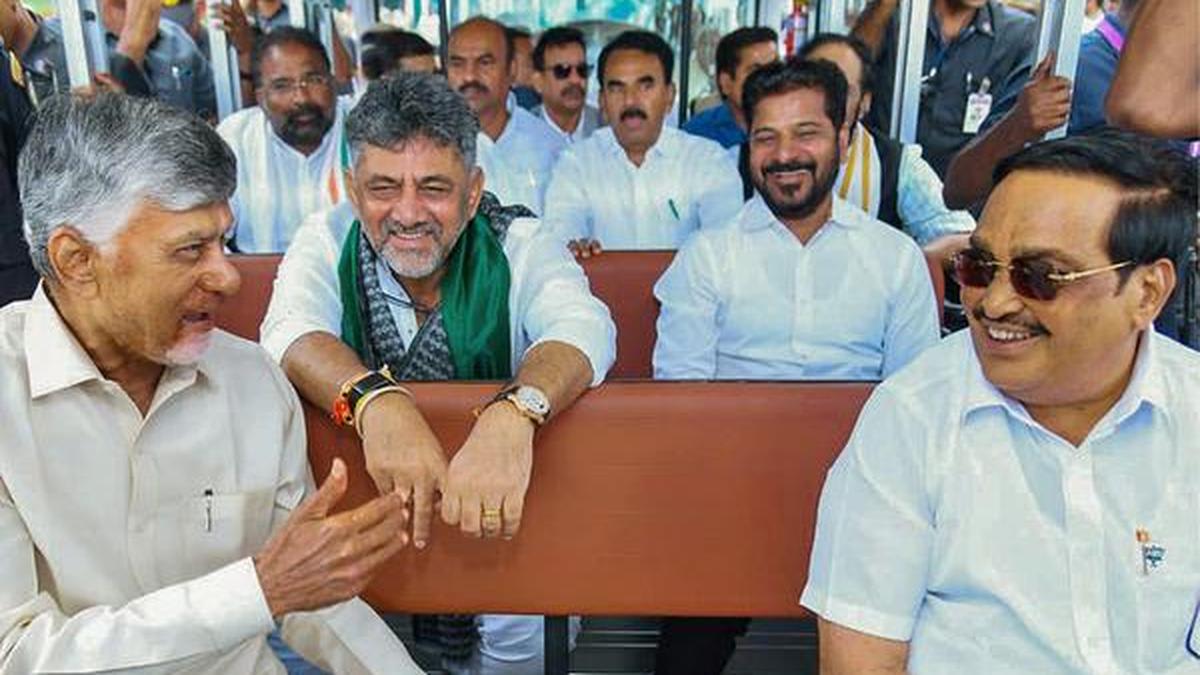
A recent ADR report reveals that 45% of India's Chief Ministers face pending criminal cases, with Revanth Reddy leading the list. The findings highlight significant legal challenges among top state leaders, including serious charges like attempt to murder.
The Intersection of Governance and Criminality in India
A recent report published by the Association for Democratic Reforms (ADR) on July 27, 2026, has brought the intersection of Indian governance and the legal system into sharp focus. According to the analysis of self-sworn affidavits from 31 States and Union territories, approximately 45% of India’s current Chief Ministers have criminal cases pending against them. This data underscores a persistent trend in Indian politics where legal entanglements are increasingly common among those holding the highest executive offices at the state level.
Analyzing the Top Offenders
The data identifies Telangana Chief Minister Revanth Reddy as having the highest number of pending cases, totaling 89. Of these, a significant portion—72 cases—involve serious sections of the Indian Penal Code (IPC), including charges related to criminal intimidation, assault, and promoting enmity. Following Mr. Reddy are West Bengal’s Suvendu Adhikari with 29 cases and Karnataka’s D.K. Shivakumar with 19 cases. These figures represent not just a numerical value, but a complex web of legal challenges that these leaders must navigate while managing state affairs.
The Gravity of Charges
Perhaps most concerning is the nature of the allegations leveled against these prominent figures. The ADR report explicitly notes that certain leaders, including Mr. Adhikari and Chandrababu Naidu, face charges of 'attempt to murder,' which is classified as one of the most grievous offences under the IPC. When leadership is burdened by such serious criminal allegations, it raises fundamental questions about the functioning of state machinery, the integrity of the judicial process, and the public perception of accountability in democratic institutions.
Historical Context and Institutional Scrutiny
This trend of criminalization in politics is not entirely new, but the fact that nearly half of the country's Chief Ministers are currently implicated suggests a systemic issue that warrants deeper institutional scrutiny. The ADR, which has long monitored the self-sworn affidavits of candidates, provides a critical check on power by making this information transparent. Historically, these disclosures have served as the primary mechanism for voters to gauge the background of their representatives, yet the prevalence of these cases suggests that legal challenges may not be a deterrent to political ascent.
Broader Implications for Democracy
The implications of these findings are profound. When a significant portion of the executive branch is occupied by individuals facing serious criminal charges, the potential for conflicts of interest and the erosion of public trust becomes inevitable. Furthermore, the time and resources required to address these legal battles can detract from the focus required for effective governance, policy implementation, and the socio-economic development of the states these individuals lead.
Future Trends and Reform
Looking ahead, the prevalence of these cases may drive further demands for judicial reform and stricter electoral laws. As the Indian electorate becomes increasingly informed through digital access to such data, there may be a growing push for faster judicial disposal of cases involving public officials. Without significant changes to the legal framework governing the eligibility of candidates or the speed of the judicial process, it is likely that the trend of high-profile political figures navigating their tenures while under criminal investigation will continue to define the landscape of Indian politics for the foreseeable future.
Verification Required?