Who is most likely to lose as Delhi govt adds three-child cap for cash benefits?
Source Entity
Latest News: Todays Latest News Headlines from India & World | Hindustan Times | Hindustan Times
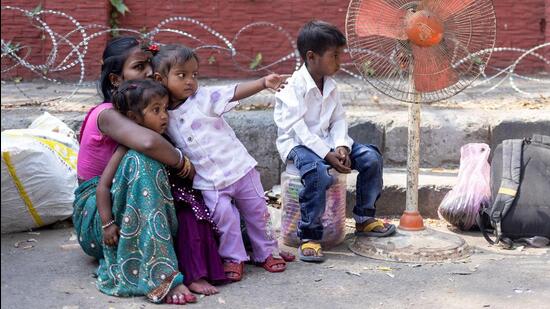
The Delhi government has approved the 'Delhi Lakshmi Yojana,' a welfare scheme providing ₹2,500 monthly to EWS women. Notably, the program excludes women with more than three living children, marking a unique population-control condition in state cash transfers.
The Delhi Lakshmi Yojana: A New Approach to Social Welfare
The Delhi government, led by Chief Minister Rekha Gupta, has officially approved the 'Delhi Lakshmi Yojana,' a flagship welfare program aimed at providing ₹2,500 in monthly financial assistance to women from Economically Weaker Sections (EWS). With a significant budget allocation of ₹5,110 crore for the 2026-27 fiscal year, the scheme is projected to support approximately 17 lakh women. This initiative represents the fulfillment of a key campaign promise made by the BJP during the last Assembly elections, signaling a major policy shift in the capital's social security landscape.
Implementation Timeline and Registration
The administrative rollout of the scheme is set to begin on August 1, when the government plans to launch a dedicated portal for beneficiary registration. According to official statements, the government intends to conduct a rigorous verification process for all applicants to ensure the funds reach the intended demographic. The administration has expressed a goal to disburse the inaugural installment to the first batch of verified beneficiaries around the time of Raksha Bandhan, emphasizing a commitment to rapid implementation.
The Three-Child Cap: A Controversial Precedent
Perhaps the most significant aspect of the Delhi Lakshmi Yojana is its stringent eligibility criteria, specifically the exclusion of women who have more than three living children. While various Indian states have implemented cash transfer programs for women, this specific population-control condition is unique. By integrating family size as a factor for financial eligibility, the Delhi government is diverging from standard welfare models, effectively using the scheme as a tool to influence reproductive health and family planning behaviors among the urban poor.
Socio-Economic Impact and NFHS Data
An analysis of the 2019-21 National Family Health Survey (NFHS) data suggests that this condition will have a measurable impact on the eligible population. Among women residing in the poorest 20% of households in Delhi, approximately 14.8% currently have more than three living children. This segment of the population, which arguably stands in the greatest need of financial support, will be disqualified under the new guidelines. The reliance on NFHS data, necessitated by the aging 2011 Census figures, highlights the complexities of targeting welfare in a rapidly changing urban environment.
Broader Implications and Future Trends
This policy sets a potential precedent for future social welfare programs in India, where the intersection of financial aid and demographic management is becoming a subject of intense political debate. By tying social security to family size, the Delhi government is testing a model that balances fiscal responsibility with ideological objectives. As the scheme moves toward its August launch, policymakers and social scientists will likely monitor the reception of these eligibility conditions closely, as they could influence how other states design their own cash transfer initiatives in the coming years.
Multiple Citing Sources
Verification Required?