Burnham invites Tories and Lib Dems to social care talks
Source Entity
BBC News
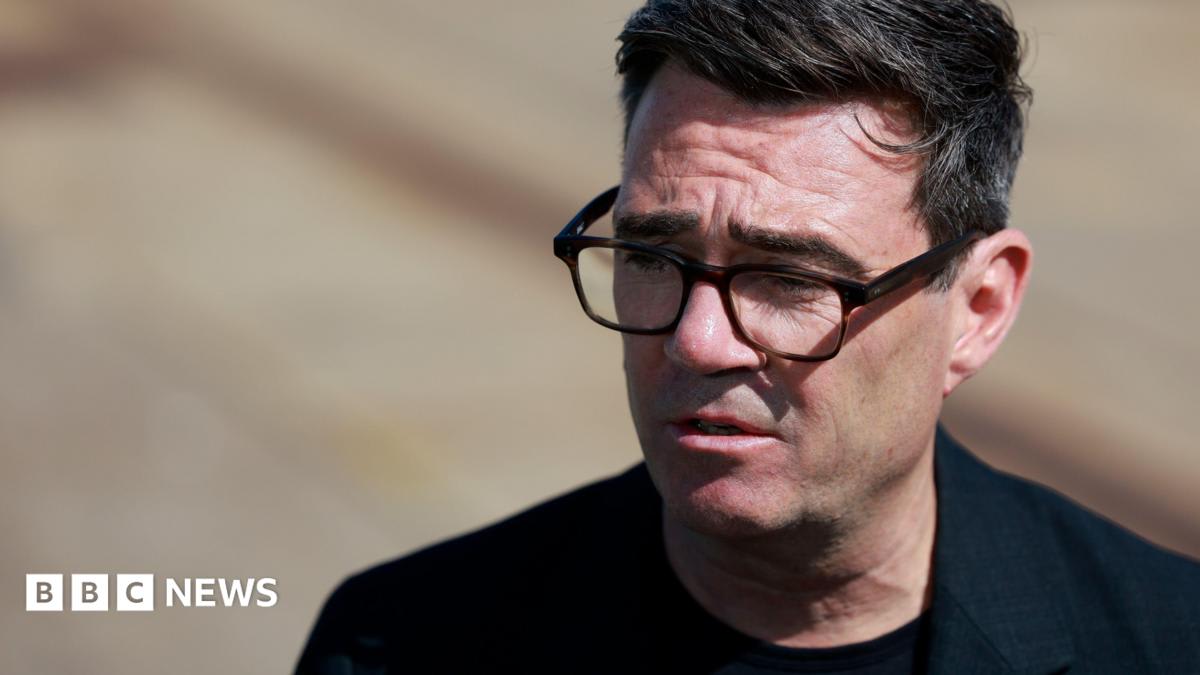
Prime Minister Andy Burnham has invited opposition leaders to cross-party talks on social care reform to prevent potential NHS collapse. While the Liberal Democrats plan to attend, the Conservatives have declined the invitation due to short notice, sending a representative instead.
The Imperative for Social Care Reform
Prime Minister Andy Burnham has initiated a significant political maneuver by inviting leaders of the Conservative and Liberal Democrat parties to engage in formal discussions regarding the reform of England's social care system. This outreach stems from an urgent recognition that the current state of social care is unsustainable. As the Prime Minister recently articulated to the BBC, the integrity of the National Health Service (NHS) is directly tethered to the efficacy of social care; without substantial reform, the health service faces the existential threat of total collapse.
The Search for Consensus
Central to the Prime Minister’s strategy is the belief that systemic issues in social care cannot be addressed through partisan policy-making alone. By seeking common ground across party lines, the government aims to create a durable, long-term framework that survives electoral cycles. This approach reflects a growing consensus among policy experts that social care, unlike other political issues, requires a degree of institutional stability that only cross-party cooperation can provide.
Challenges in Political Alignment
Despite the gravity of the situation, the path to consensus is fraught with logistical and political friction. The response to the invitations highlights the divide: Sir Ed Davey of the Liberal Democrats has agreed to attend, albeit remotely, while Conservative leader Kemi Badenoch has declined, opting to send Shadow Health Secretary Stuart Andrew in her stead. This decision by the Conservatives, coupled with internal criticism regarding the "short notice" of the invitation, suggests that opposition parties remain wary of the government's intentions, with some characterizing the effort as performative rather than substantive.
Exclusions and Political Strategy
Notably, the invitation list excluded the leaders of Reform UK and the Green Party of England and Wales. This exclusion signals a strategic decision by the Prime Minister to prioritize engagement with the primary opposition parties that hold the most significant parliamentary influence. By limiting the scope of the dialogue, the government likely aims to streamline negotiations, though this decision risks criticism regarding the inclusivity of the reform process.
Future Implications for the NHS
Looking ahead, the success of these talks will serve as a bellwether for the current administration's ability to manage legislative reform in a polarized climate. If the government fails to foster a collaborative environment, the specter of an NHS collapse remains a looming reality. The outcome of these discussions will likely dictate the legislative agenda for health and social care in the coming months, determining whether the government can secure the necessary political capital to implement the radical changes required to stabilize the sector.
Conclusion
In summary, while the Prime Minister's call for unity is a pragmatic response to a burgeoning crisis, the tepid response from the Conservative leadership underscores the difficulty of achieving political harmony. The upcoming meeting on Wednesday will be a critical test of whether partisan posturing can be set aside in favor of addressing the structural decay of England's social care system before it irreparably damages the nation's healthcare infrastructure.